


One of the easiest ways to appreciate procedural generation is to imagine roguelikes without it.
The Binding of Isaac would always send you through the same basement. Risk of Rain 2 would drop you onto identical maps every single run. Slay the Spire would deal the same enemies in the same order until you eventually memorized the entire game. You might still enjoy them, but I doubt we’d still be talking about them years later.
That’s because procedural generation has always been one of the genre’s greatest magic tricks. It creates uncertainty, forces adaptation, and more importantly, it gives every run the chance to become a story you couldn’t have predicted.
Now procedural generation hasn’t always been this good.
Go back to the original Rogue in 1980, and the technology was revolutionary, but understandably limited. Randomly generated dungeons were enough to make every adventure feel different, even if those dungeons often felt more like collections of rooms than believable places.
As computers became more powerful and roguelikes evolved into roguelites, developers kept asking the same question and that was…
How do you make something random feel intentional?
To answer that, we first need to go back to where procedural generation began, why it became so important to roguelikes in the first place, and how forty years of experimentation have transformed one of gaming’s most influential ideas.
What Makes Procedural Generation So Important?
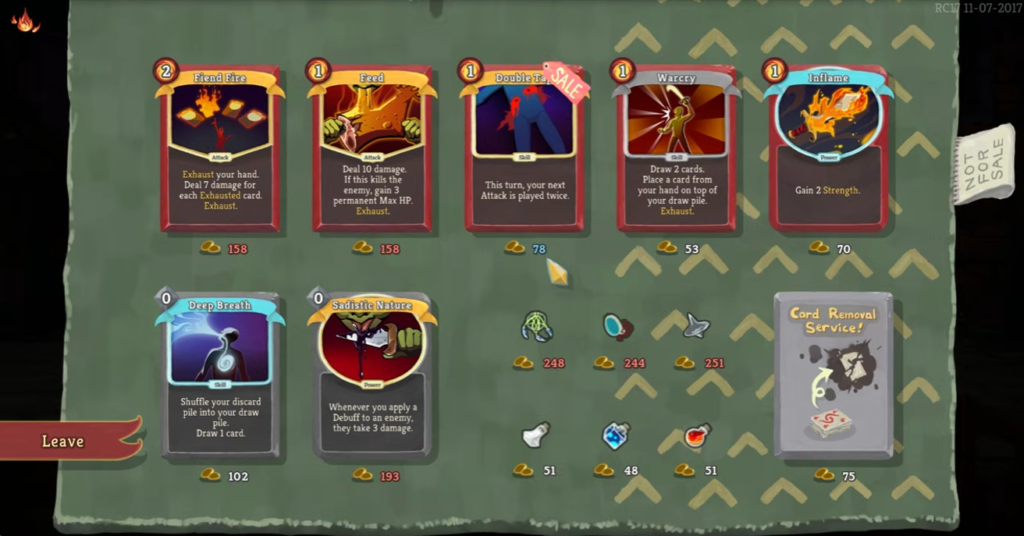
The reason procedural generation has survived for more than forty years isn’t because of its clever technology. Players don’t boot up Hades, The Binding of Isaac, or Caves of Qud because they’re excited to experience a random number generator.
They come back because they don’t quite know what’s waiting for them.
That’s an important distinction.
At its best, procedural generation creates uncertainty. It forces you to adapt instead of relying on memory. The chest that saved your run yesterday might not even exist today. The route that worked perfectly last time could lead straight into disaster. Every decision suddenly matters because the game refuses to let you become too comfortable.
Without that uncertainty, many roguelikes would become surprisingly predictable. You’d eventually memorize every enemy spawn, every treasure room, and every shortcut. Procedural generation stops that happening. It keeps asking players the same question every time they press “New Run.”
“Alright then… now what are you going to do?”
Of course, it wasn’t always this sophisticated.
Rogue Changed Everything… But It Was Only the Beginning

When Rogue arrived back in 1980, randomly generated dungeons felt almost magical. Storage space was limited, development teams were tiny, and building enormous, handcrafted adventures simply wasn’t realistic. Procedural generation solved that problem by creating a fresh dungeon every time you played. Suddenly, one game could produce hundreds of adventures instead of one carefully designed campaign.
It was a genuinely revolutionary idea, and it’s the reason the entire genre eventually borrowed its name.
That doesn’t mean those early dungeons were perfect. Many felt exactly what they were…randomly assembled rooms connected by corridors. They served their purpose brilliantly, but they rarely convinced players they were exploring somewhere that actually existed. The technology was groundbreaking, but the illusion still had a long way to go.
Random Didn’t Always Mean Better
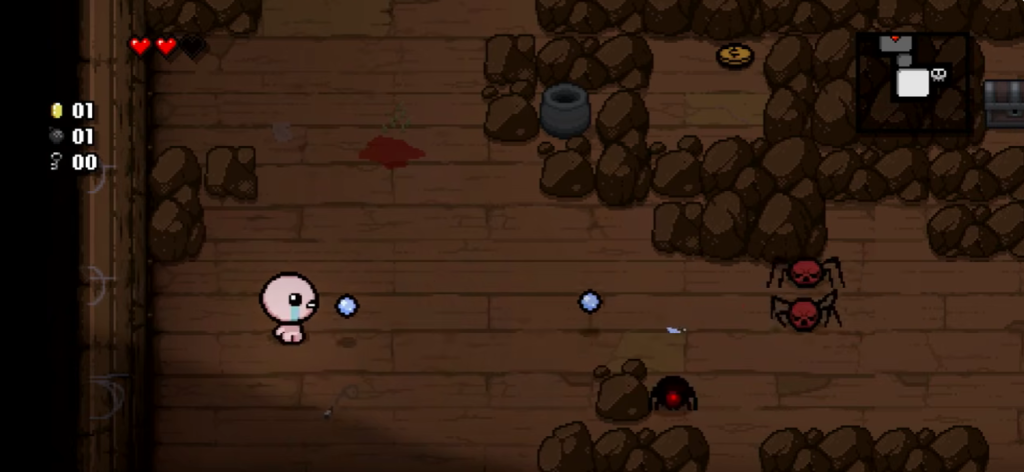
Randomness has always walked a very fine line. Too little of it and every run starts feeling familiar, while too much of it makes success begin to feel disconnected from your decisions.
Older roguelikes occasionally fell into that trap. Some maps felt awkward to navigate. Others generated huge empty spaces or strange layouts that existed because the algorithm allowed them, not because they made interesting places to explore.
Sometimes the difficulty curve could swing wildly from one run to the next simply because the random generation had a particularly good, or particularly cruel, day.
Players accepted a lot of that because it came with the territory. Over time, though, developers started asking a much better question. Instead of making everything random, what if they became more selective about what randomness was actually allowed to do?
Why Modern Roguelikes Feel Different
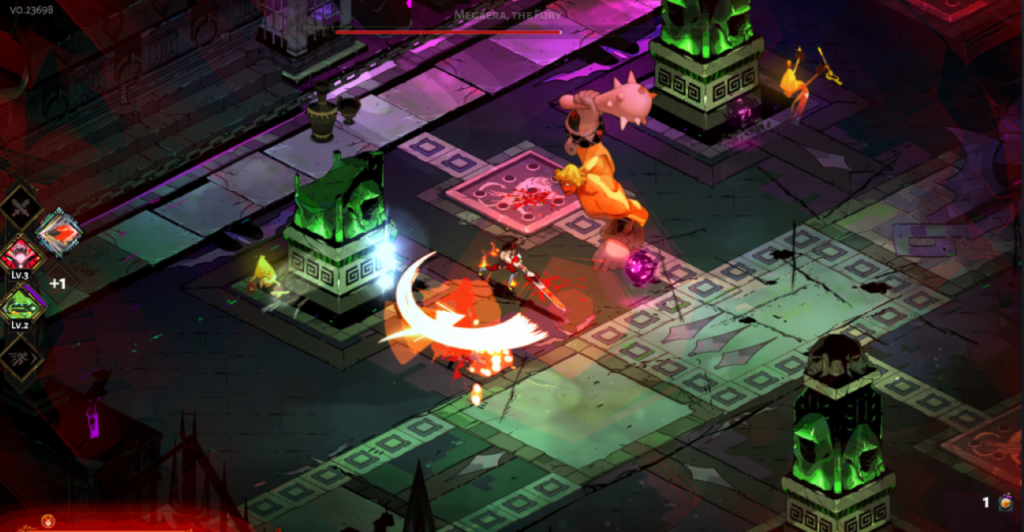
Many of today’s biggest roguelikes don’t generate every room from scratch. Instead, they build levels from carefully handcrafted pieces, arranging them in different ways while controlling pacing, difficulty, and reward placement behind the scenes.
Let’s look at some examples:
- The Binding of Isaac doesn’t simply throw rooms together at random.
- Risk of Rain 2 carefully controls where teleporters can appear.
- Dead Cells mixes handcrafted environments with procedural layouts.
- Slay the Spire isn’t randomly generating hallways at all. Instead, it’s procedurally creating choices, letting players decide their own route through each act.
That’s the biggest change. Modern procedural generation often isn’t trying to fool players into believing everything is random. It’s trying to make every run feel intentional, even when it isn’t.
In many ways, developers have stopped chasing randomness and started designing unpredictability instead. They’re not the same thing.
So… Is Procedural Generation Actually Better?
I think it is, and not because the algorithms themselves have become dramatically more complicated, although many certainly have. But rather, developers have become much better at understanding what players enjoy.
What we really care about is being surprised. We wanted those moments where an impossible build somehow comes together, where a route we almost ignored becomes the one that saves the run, or where a boss appears just a little earlier than expected and forces us to rethink everything.
The best procedural generation doesn’t feel random anymore. It feels deliberate. Invisible, even. Ironically, that’s probably the biggest compliment you can give it.