

Ratatouille Builder
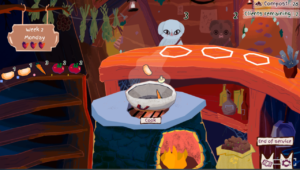
Balrogames and Talenvin released Ratatouille Builder on July 1, 2026, a deckbuilder-inspired cooking roguelike built around a vegetable garden that feeds a small-town restaurant. The two studios combined to produce something that sits closer to resource planning than traditional card combat: the deck is effectively your menu, and what you can put on it each day is determined by what your garden actually grew.
Each run proceeds in daily cycles. Every morning the garden yields whatever vegetables have reached harvest, and the player must compose dishes from that specific harvest, finding the strongest combinations available rather than an ideal hand. Vegetables have varying growth times, so the garden planner becomes a forward-looking puzzle — planting decisions made several days ago shape what is cookable today. Rare vegetables can be held in a fridge rather than used immediately, which adds a timing layer to when high-value dishes can be assembled.
The customer side of the loop applies pressure through preference systems. Each villager has distinct tastes, and correctly serving their favorites generates tips. Tips are not simply a score — they are the upgrade currency, and sufficiently generous play attracts guild favor, which unlocks special services that alter subsequent runs. This means understanding the villager roster matters as much as optimising recipes, because a mechanically strong dish served to the wrong customer earns less than a modest one that lands on a preference.
Garden maintenance happens each evening: new plants can be added to expand the vegetable variety available to future days, or compost can be applied to improve existing plants. This evening phase is where the run’s direction is set, making it a compressed management decision rather than a passive waiting period. The game’s discovery structure — recipes, vegetable types, upgrades, and villager profiles — is intended to produce different viable paths across multiple runs. A run’s character is ultimately determined by which rare vegetables appear and which guilds offer their services first.
Post-release activity following the July 1, 2026 launch consisted entirely of bugfix patches, with no feature updates recorded in that window.
 Ratatouille Builder Fixes Steam Achievements, Bumps Up Shelter SizeJuly 8, 2026The developers of Ratatouille Builder rolled out a patch on July 7 that restores Steam achievement functionality, which according to the official announcement had not been working properly…
 Ratatouille Builder Is Ready to Dish Up a Cozy New AdventureJuly 1, 2026Growing the perfect ingredients is only half the challenge in Ratatouille Builder, which launches today on Steam. The cozy strategy game blends gardening, cooking, and restaurant management into…