

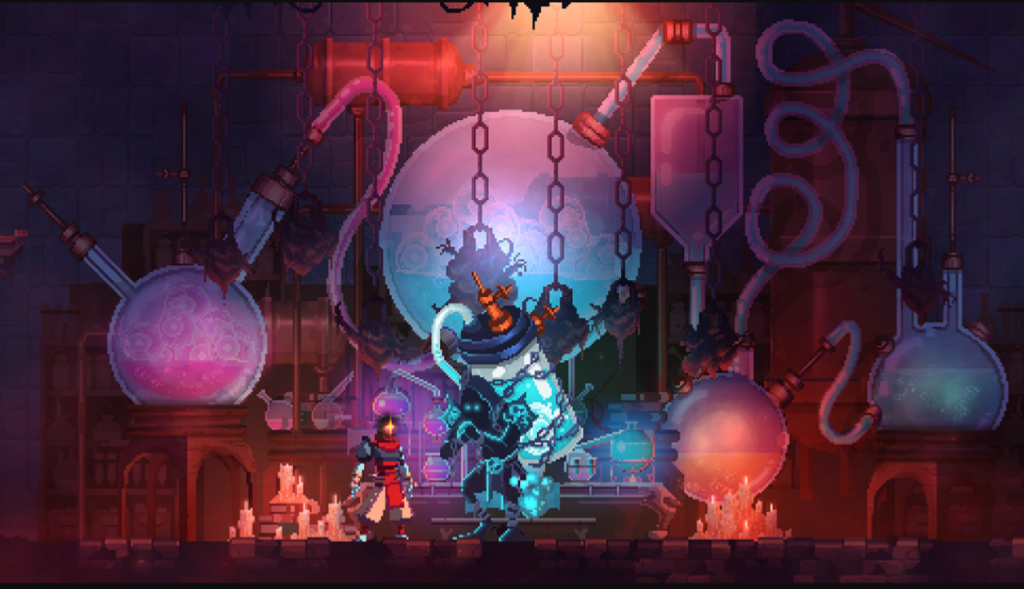
One of the biggest changes the roguelike genre has seen over the past decade didn’t come from procedural generation, bullet hell combat, or increasingly elaborate build systems. It came from what happened after you died. There was a time when reaching the Game Over screen meant exactly that. The run was over, everything you had collected disappeared, and the next attempt began from precisely the same position as the last one.
Today, things look rather different. Games like Hades, Dead Cells, Rogue Legacy, and Cult of the Lamb all reward failed runs in one way or another, whether that’s through permanent upgrades, new weapons, or story progression. It’s become such a familiar part of the genre that it’s easy to forget it was once one of its most controversial ideas.
Even now, plenty of players argue that permanent progression undermines everything roguelikes were built upon. So let’s take a look at the arguments for and against permenant upgrades and how they changed the genre.
Every Run Should Feel Like It Mattered
One criticism that’s often aimed at permanent upgrades is that they remove the tension in rogue games. If every failed attempt leaves you a little stronger than before, eventually the challenge begins to disappear, and victories stop feeling earned.
It’s a fair argument, especially in games that lean too heavily on numerical upgrades. If every return to the starting area comes with more health, more damage, and more resources than before, are you really mastering the game or simply out-levelling it?
At the same time, I don’t think permanent progression became popular simply because it made roguelikes easier. After all, not every failed run tells an incredible story. Sometimes you experiment with a build that never quite comes together, or a boss catches you with an attack you’ve never seen before. Sometimes you simply have one of those runs where nothing seems to go your way.
Knowing you’ve still unlocked something worthwhile in these failed runs makes them much easier to accept.
It Gives You Another Reason to Come Back
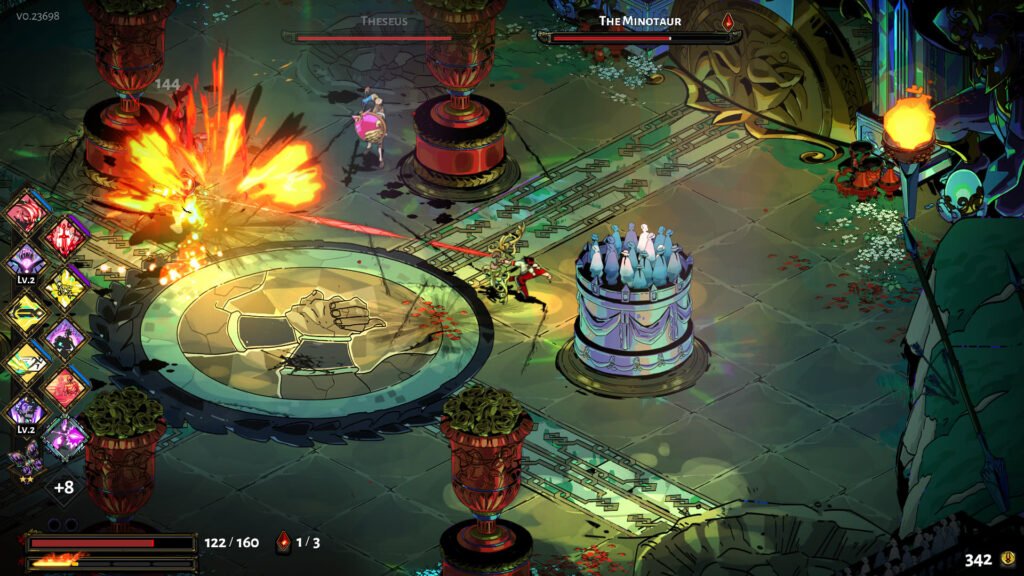
One thing I appreciate about modern roguelites is that there’s typically multiple reasons to keep playing. Of course you want to beat the boss that ended your previous attempt, but there’s usually plenty of other goals waiting for you as well. Perhaps there’s another weapon sitting behind your next upgrade, another character with something new to say, or another system you’ve only just begun to understand.
Hades is probably the best example of this. Escaping the Underworld is still the ultimate objective, but every failed attempt also unlocks new conversations, fresh story developments, and more opportunities to experiment with different weapons and aspects. Even after a disappointing run, it never feels as though you’ve walked away empty-handed.
Failure still matters, it just isn’t the end of your progress.
Becoming Stronger Doesn’t Replace Becoming Better

There’s sometimes an assumption that permanent upgrades do all the hard work for you, but I don’t think that’s reflected in the games themselves.
Anyone who’s spent time with Hades knows that no amount of Darkness will carry you through the later regions if you’re struggling to read enemy attacks. Dead Cells happily hands you dozens of powerful unlocks, yet it’s still perfectly capable of ending a promising run if you become careless. Even Rogue Legacy, a game built around upgrading your family estate, eventually reaches a point where your own decision-making matters far more than your statistics.
Those upgrades make the journey feel rewarding, but they don’t remove the need to improve.
The Genre Wasn’t Replaced, It Expanded
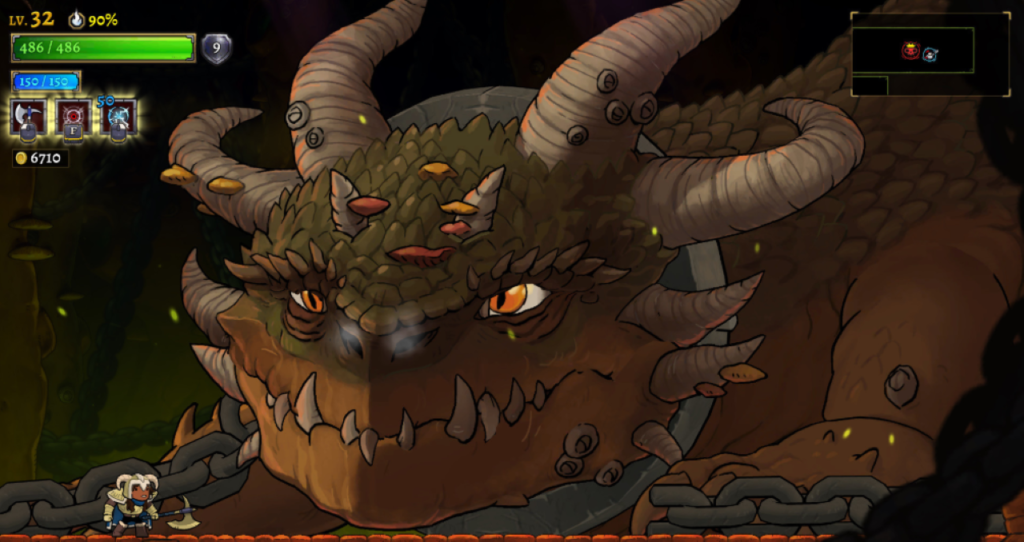
I don’t think traditional roguelikes lost anything when permanent progression arrived. Games that prefer every run to begin on completely equal footing are still there, and they’ll probably always have an audience that loves exactly that experience.
What changed was that the genre became large enough to support a different philosophy alongside it. Some players enjoy knowing that every defeat leaves them with absolutely nothing except the lessons they’ve learned. Others enjoy finishing a difficult run with another weapon unlocked, another story beat discovered, or another upgrade to save towards before heading back out again.
Neither approach feels more “correct” than the other. If anything, they simply appeal to different reasons for playing roguelikes in the first place.
Starting Again Doesn’t Have to Mean Starting From Nothing
Whether a game includes permenant upgrades or not, what matters the most is whether it still gives you a reason to improve.
The thrill of discovering an overpowered build doesn’t disappear because you unlock another weapon. Reaching a boss with almost no health is still every bit as tense as it was years ago. Finally overcoming an encounter that had beaten you half a dozen times still feels just as satisfying.
The difference is that when the run ends, you can look forward to the next one for more than one reason.
For me, permenant upgrades and progression simply feel like the genre is giving players another reward for sticking with it. Considering how many modern roguelites have embraced the idea, it’s difficult to argue that it hasn’t encouraged more people to fall in love with the genre along the way too.