
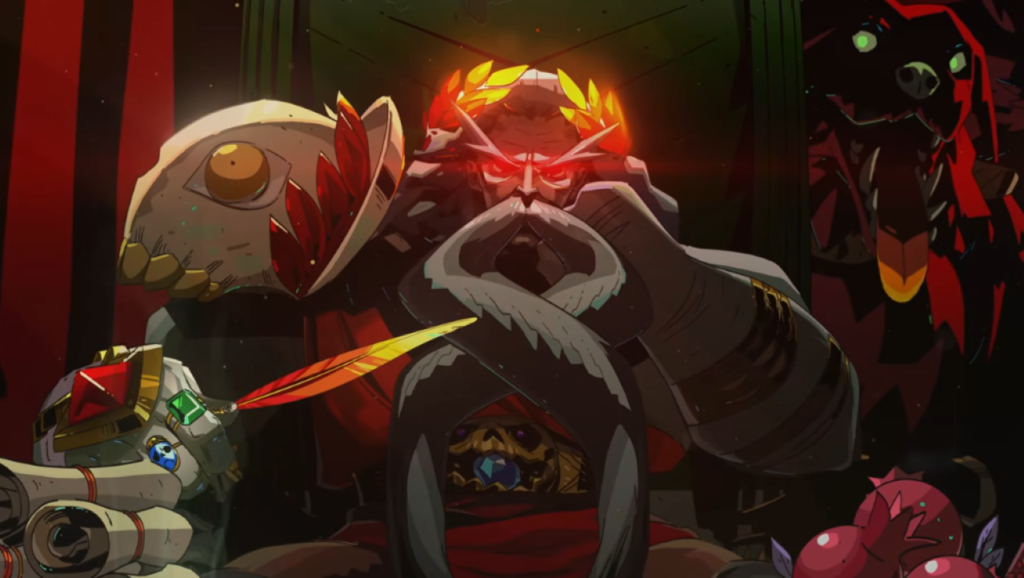
On June 27th, 2026, in London, UK, approximately 2,500 people packed into the Royal Festival Hall to watch an orchestra perform music from Hades and Hades II. While there is no official data, thousands more likely tuned in from around the world to watch “The Ballads of the Underworld” concert live on Twitch.
Six years after Hades first launched, people are still happily spending their Saturday listening to songs about escaping the Underworld. While the soundtrack is hauntingly beautiful, it’s not a normal occurrence for a video game to host such a prestige performance, and it probably tells you everything you need to know about the game’s place in roguelike history.
What’s even more remarkable is that Hades isn’t the only game to have been released in all those years. The roguelite genre has exploded. We’ve seen brilliant games like Astral Ascent, Warm Snow, Ember Knights, Ravenswatch, Trinity Fusion, and dozens of others arrive, each bringing fresh ideas to the table. Yet whenever a promising new action roguelite appears, the comparisons inevitably begin.
“Looks great… but is it as good as Hades?”
That’s a remarkably difficult reputation to shake. It isn’t because Hades was the first roguelite to feature fast combat, permanent progression, or beautifully drawn environments. It wasn’t even the first to tell a good story. Plenty of games have done each of those things exceptionally well.
So why is Hades still the game every new action roguelite ends up being measured against? Let’s take a look at why Hades still sets the gold standard.
Great Combat Alone Was Never Enough
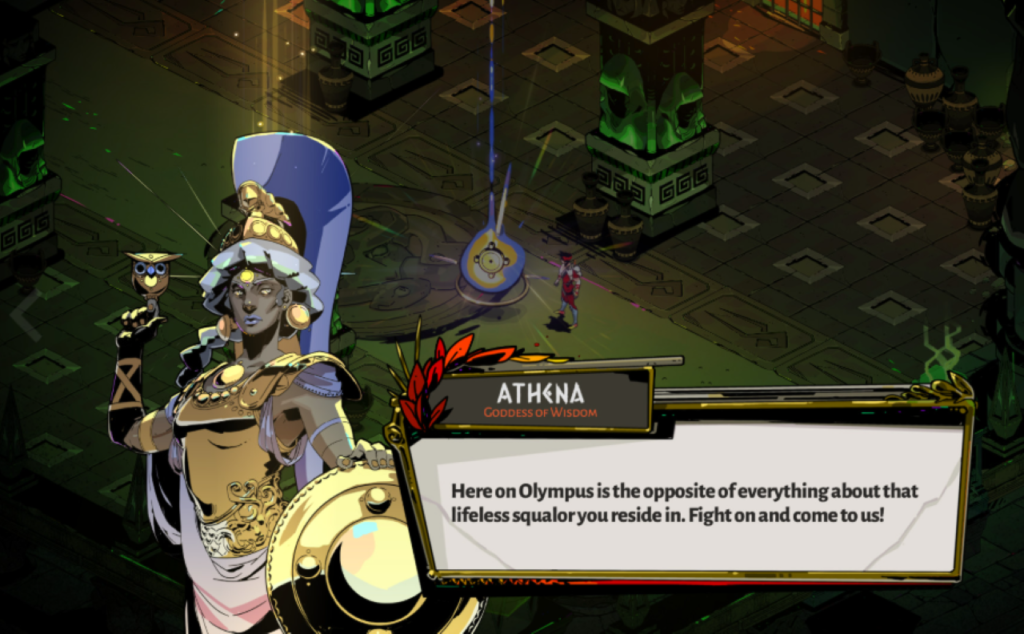
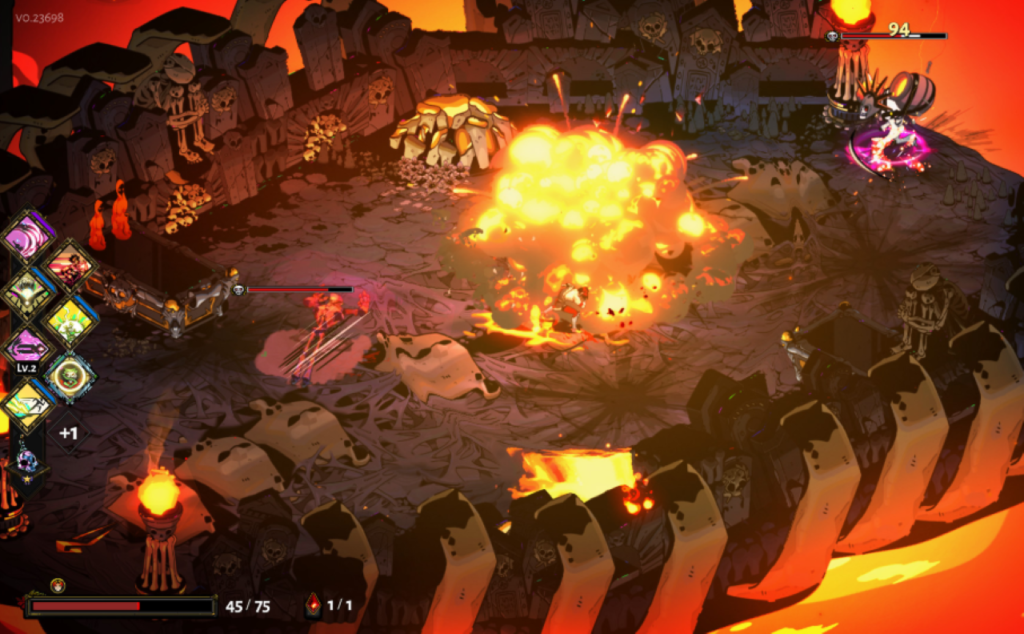
Now Hades doesn’t own fast-paced combat. It didn’t invent satisfying dodge mechanics, fluid movement, or spectacular boss fights. Plenty of roguelites before and after have absolutely nailed those things.
Dead Cells still delivers some of the sharpest action in the genre. Astral Ascent’s spell combinations are wonderfully chaotic. Warm Snow lets you become ridiculously overpowered in ways Hades never quite attempts.
So, combat alone isn’t why we’re still talking about it. What Hades did better than almost anyone else, was make every weapon feel complete. Switching from the Stygian Blade to the Heart-Seeking Bow didn’t simply change your attack range. It completely changed how you approached every encounter.
Add in the Olympian Boons, Daedalus Hammer upgrades, keepsakes, and aspects, and suddenly every run felt like you were building a fighting style rather than chasing bigger damage numbers.
That’s a surprisingly difficult balance to get right. Plenty of games offer hundreds of builds but Hades made almost all of them feel worth trying.
Every Failure Moved Something Forward
One of the biggest problems roguelites have always faced is convincing players that dying wasn’t a waste of time.
Permanent upgrades certainly help, but Hades understood that players don’t just want stronger characters, they want a reason to care about going back.
Every escape attempt ended with another conversation. Maybe Achilles had something new to say. Perhaps Nyx finally answered one of Zagreus’ questions. Maybe Hypnos had another spectacularly unhelpful observation waiting for you, or Dusa had found another reason to panic.
Failure didn’t interrupt the story; it was the story.
It Understood That Players Love Telling Stories
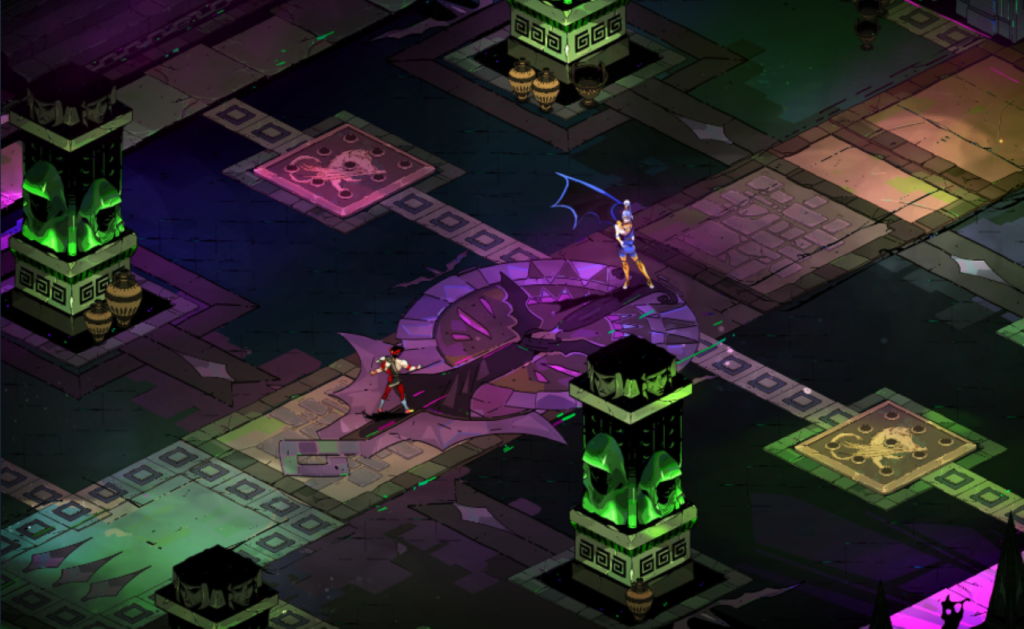
Ask someone about their favorite Hades run and chances are they’ll tell you about the ridiculous Zeus build that somehow carried them through Elysium or the run where Artemis crits seemed to trigger every other attack. The time they accidentally stumbled into a combination that turned the final boss into little more than a speed bump.
Those are stories and Hades has always been remarkably good at creating them.
Its systems constantly overlap in ways that make every successful escape feel personal. You’re not simply remembering the strongest build, you’re remembering your build.
That’s a huge part of why players keep coming back.
It Rarely Wasted Your Time
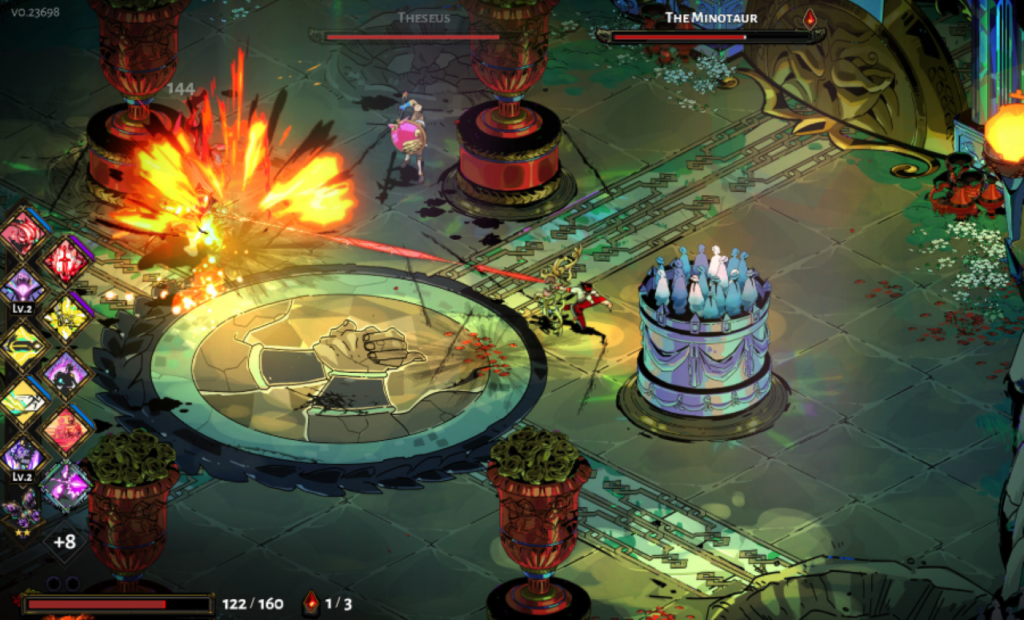
One thing I appreciate more every time I replay Hades is how little filler there is. Almost every chamber asks you to make a decision:
- Do you chase another Boon?
- Gamble on Chaos?
- Pick up extra Obols?
- Visit Charon’s shop?
- Take on Erebus for a better reward?
- Switch keepsakes before the next biome?
Even when you’re simply clearing another room of enemies, you’re almost always working toward your next meaningful choice. That’s something many roguelites still struggle with.
It’s surprisingly easy to create hundreds of procedurally generated rooms. It’s much harder to make almost every one of them feel like it matters.
Hades somehow manages it.
It Never Forgot the Characters
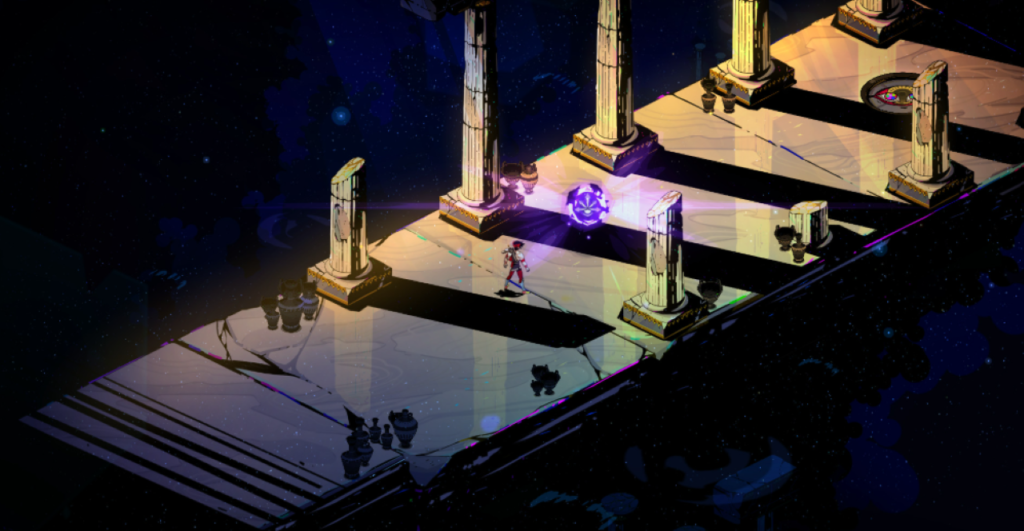
If Hades had shipped with exactly the same combat but stripped away its characters, would we still be talking about it six years later?
I’m not convinced we would.
The House of Hades doesn’t feel like a glorified upgrade menu. It feels like home. You start caring about Orpheus and Eurydice. You want to know whether Achilles finds peace and you smile whenever Skelly appears. You end up petting Cerberus every single time you walk past him because, quite frankly, what kind of monster wouldn’t?
Those characters give every run emotional weight.
Escaping the Underworld becomes more than simply beating another boss. You’re returning to people who remember where you’ve been, what you’ve achieved, and occasionally remind you that you really should try again.
The Gold Standard Was Never Just One Thing
I don’t think Hades became the benchmark because it perfected combat, or storytelling, or progression, or even epic music. It became the benchmark because it understood that none of those things work in isolation.
Every escape attempt feeds the story, and every story beat encourages another run. Every build creates another memorable moment, while every conversation makes failure feel worthwhile.
That’s incredibly difficult to pull off, and it’s why so many action roguelites are still judged against it years later. The genre hasn’t stood still since 2020. In many ways, it’s stronger than it’s ever been. New ideas continue to arrive every month, and that’s exactly what keeps roguelikes so exciting.
Yet, whenever another brilliant action roguelite lands, the comparison always seems to find its way back to Hades.After six years, countless awards, and now an orchestral concert performed on one of London’s most prestigious stages, maybe that’s the highest compliment a game can receive. Not only that it was great, but that everyone else is still trying to catch up to it.