

One of the biggest challenges in rogue games isn’t always the enemies trying to end your run. Sometimes it’s the companion who’s supposed to be helping you.
Whether they’re charging into danger a little too enthusiastically, getting themselves stuck behind scenery, or somehow managing to pull half the room before you’ve even had a chance to react, AI companions have developed something of a mixed reputation. When they make the right decision, they can completely change the flow of a fight. When they don’t, they have an unfortunate habit of turning an already difficult encounter into complete chaos.
The problem is that rogue games rarely give AI the luxury of predictable situations for very long. Every run presents different enemies, different room layouts, different builds, and different challenges for companions to react to. That’s exactly what makes the genre so enjoyable, but it’s also what makes building reliable AI companions one of the toughest design problems developers continue to face.
Fortunately, some games are starting to solve that problem better than others. So why do AI companions continue to struggle in so many rogue games, and what can games like Hades II and Risk of Rain 2 teach us about finally getting them right?
Two Games, Two Very Different Solutions
What’s particularly interesting is that not every developer has tried to solve this problem in the same way.
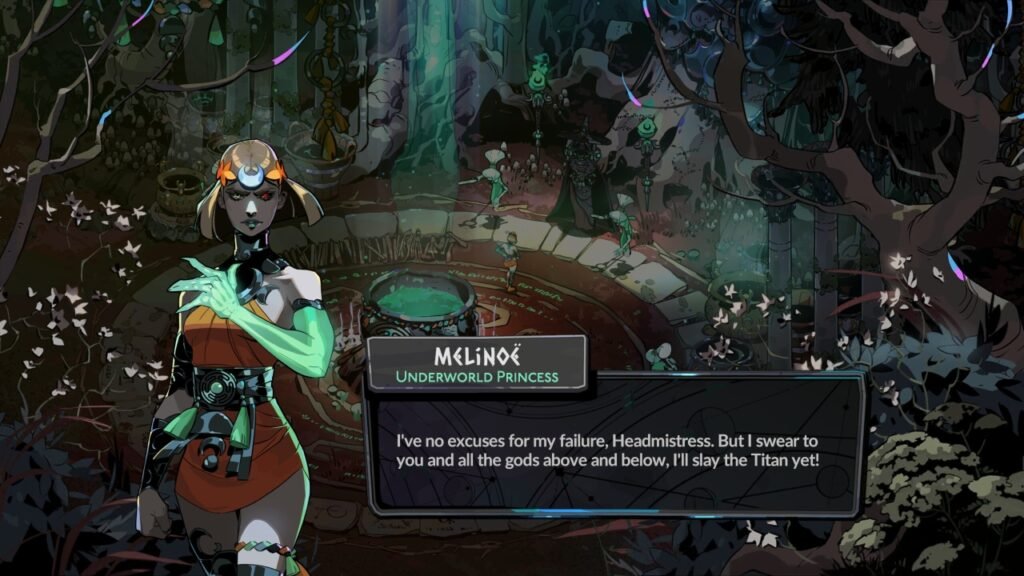
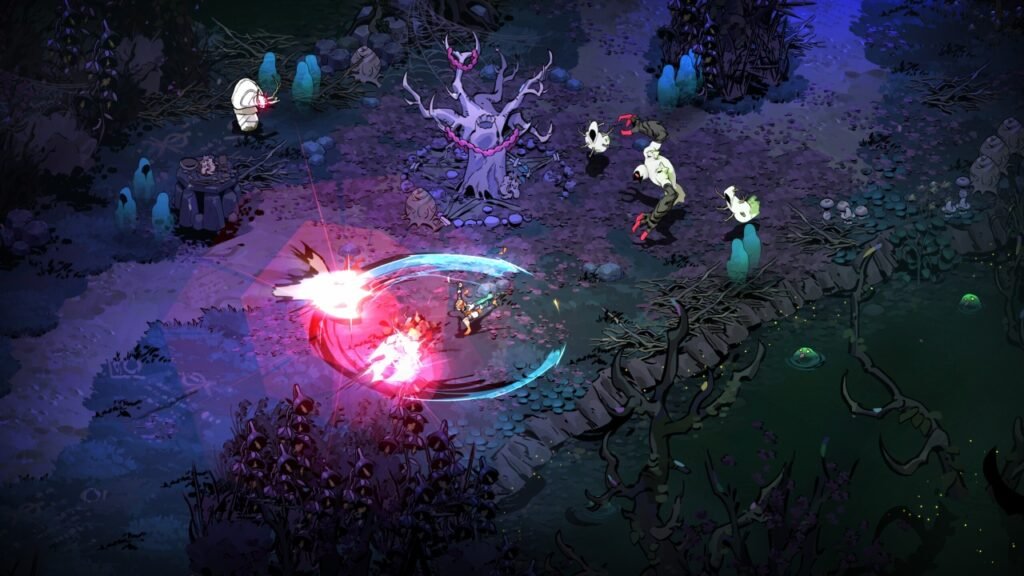
Take Hades II, for example. Rather than relying on AI companions to fight alongside you throughout a run, Supergiant largely avoids the issue altogether. Characters like Nemesis still play an important role in the world, but when their influence reaches your run, it usually comes through Keepsakes and other predictable bonuses, rather than an AI making split-second decisions on your behalf.
It’s a surprisingly clever approach. You still feel as though those relationships matter, but the game never asks you to place your trust in an AI companion that might suddenly decide to sprint into danger or pull far more enemies than you were prepared to handle. The characters remain an important part of the experience without becoming another variable capable of derailing an otherwise promising run.
Of course, that doesn’t mean Hades II is easy, far from it. If you’re new to the game and feel stuck, we’ve created a useful beginner’s guide to help.
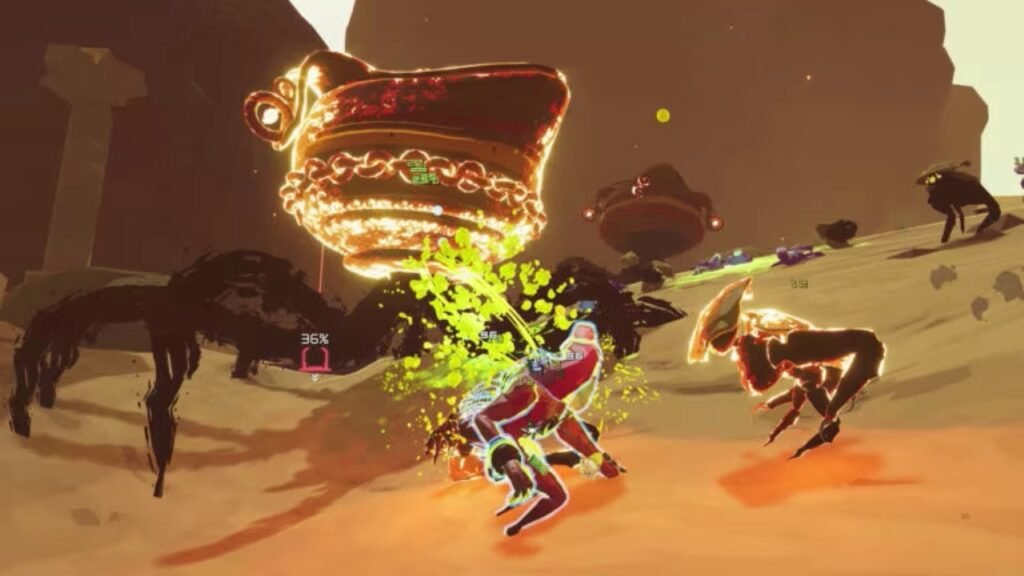
Risk of Rain 2 takes almost the opposite approach. Its drones are fully autonomous, and if you’ve spent enough time with the game, you’ve almost certainly watched one drift into danger, get caught in an attack it probably should have avoided, or disappear moments after spending your hard-earned gold to repair it. The difference is that Risk of Rain 2 never really pretends those drones are dependable teammates. They’re tools, and like every other piece of equipment you collect during a run, they’re there to make life a little easier rather than solve every problem for you.
That small distinction changes the way players think about them. Losing a drone is frustrating, but it rarely feels unfair because the game never suggested it would survive forever in the first place.
Expectations Matter Just As Much As AI
The more rogue games I play, the more I find myself paying attention to how companions are introduced rather than how intelligent they actually are.
Games that present an AI companion as a fully-fledged partner naturally raise expectations. If a character has a name, a personality, and a meaningful role in the story, it’s only natural to expect them to make sensible decisions once combat begins. When they don’t, every mistake feels far more noticeable because it isn’t just an AI making a poor choice. It feels as though a trusted companion has let you down.
That’s one of the reasons Hades II works so well. It separates those relationships from the combat itself, allowing the characters to remain memorable without placing impossible expectations on their behaviour during a run.
Risk of Rain 2, meanwhile, makes its intentions clear almost immediately. Drones are resources. They’re useful while they’re alive, they’re replaceable when they’re not, and the game expects you to treat them accordingly.
Neither approach is necessarily better, they’re simply solving the same problem in two very different ways.
So Where Do Rogue Games Go From Here?
I don’t think there’s a perfect solution waiting to be discovered here. Some rogue games will always benefit from companions that fight alongside the player, particularly those built around co-operative mechanics or character-driven stories. Others are probably better off avoiding fully autonomous allies altogether and focusing on systems players can control themselves.
What does seem clear is that the games receiving the fewest complaints are usually the ones that know exactly what role their companions are supposed to play. If they’re dependable partners, they need AI capable of earning that trust. If they’re simply another tool in your arsenal, players are far more willing to forgive the occasional mistake because they understand exactly what to expect.
The challenge for developers is to make sure those companions feel like they belong in a genre built around unpredictable situations, split-second decisions, and the knowledge that one small mistake can bring an entire run to an end. Both Hades II and Risk of Rain 2, each in its own way, appear to have figured that out before committing to a direction. More roguelites should probably decide which game they are actually making before they start scripting the companion AI.