

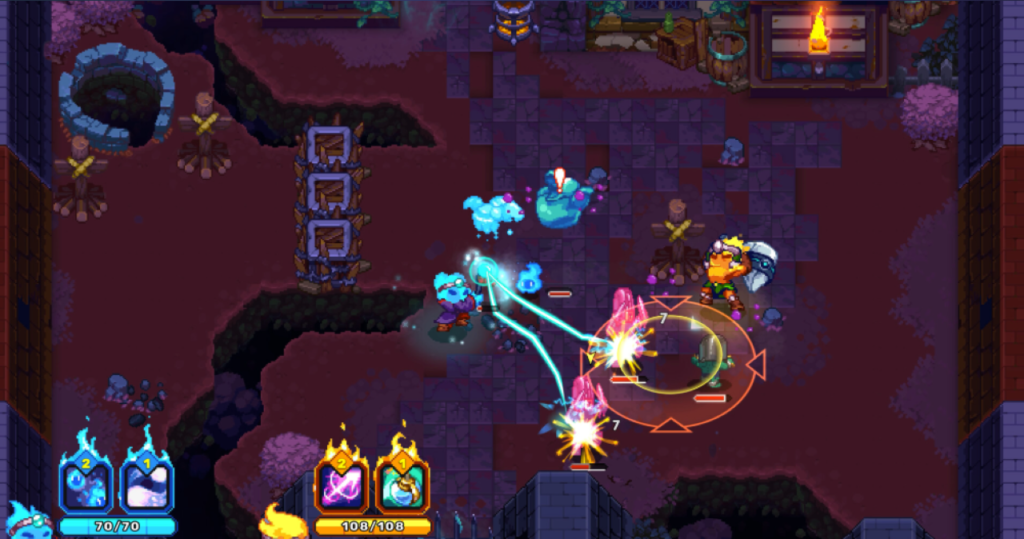
Most games are built around success. Complete the mission, defeat the boss, unlock the next area, and move on. Roguelites on the other hand, ask you to do the opposite.
Failing repeatedly is a core part of these games and yet the genre has produced some of the most celebrated games of the past decade.
That’s the paradox at the heart of every great roguelite. Failure isn’t something players simply endure on the way to having fun. It’s part of the experience. The question is why?
The answer has surprisingly little to do with permadeath or procedural generation. Those are mechanics. What keeps players coming back is something far more fundamental: every run feels like it matters. The moment failure stops feeling like wasted time is the moment a roguelite becomes difficult to walk away from.
Failure Only Works If It Teaches You Something
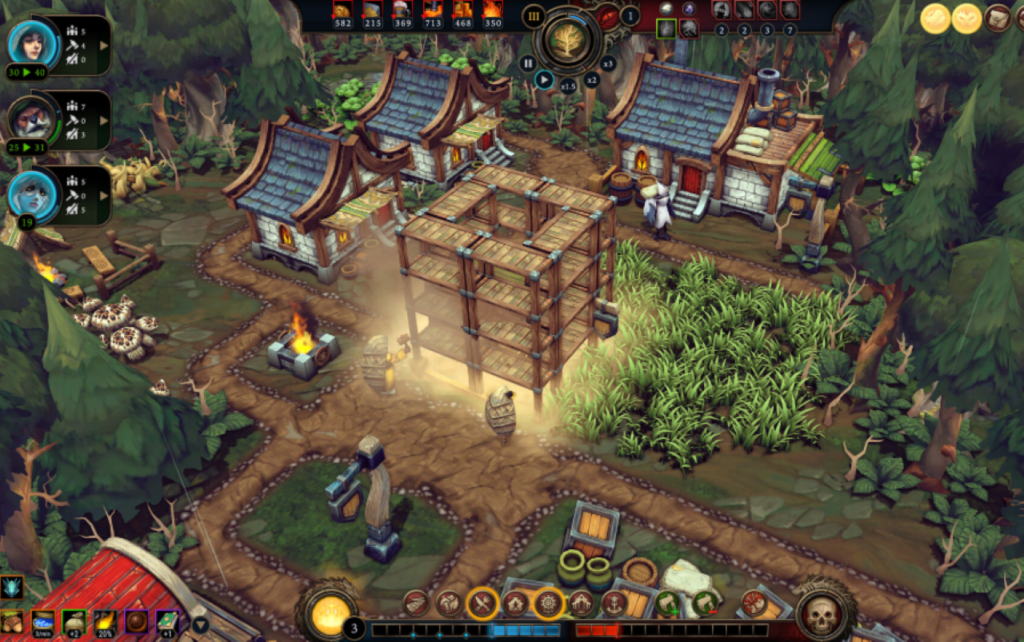
Nobody enjoys failing for no reason. The first time an enemy catches you out, it may feel unfair. The second time, you begin to notice the attack pattern. By the third encounter, you’re already changing the way you approach the fight.
That’s the first lesson every great roguelite understands. Failure has to be educational.
The player doesn’t need to succeed after every mistake, but they should almost always understand why they failed and leave believing they’ll handle it differently next time. That shift from confusion to confidence is one of the most satisfying progressions in gaming because it isn’t tied to a level-up screen. It’s tied to the player becoming better.
That’s progression no experience bar can replicate.
Players Need to Feel Like They’re Always Moving Forward
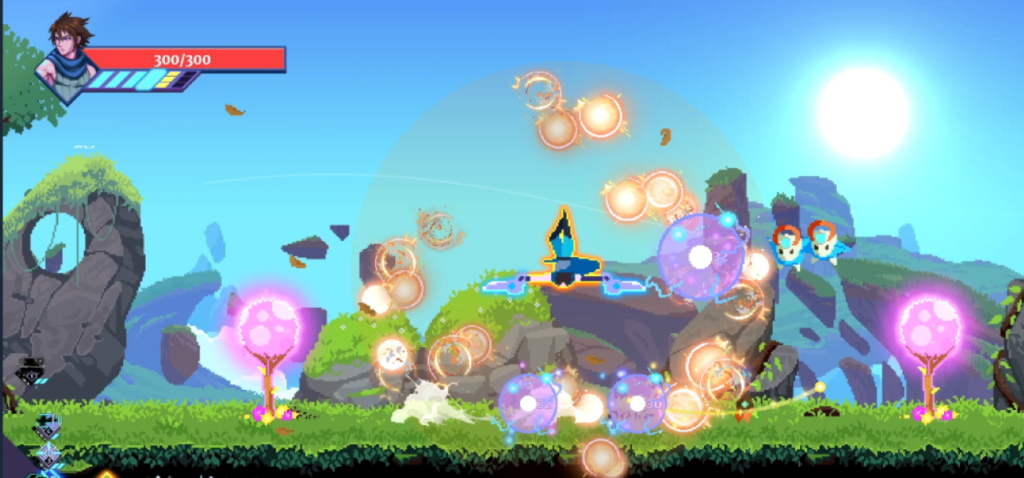
The quickest way for a roguelite to lose its audience is to make failure feel like wasted time.
The best games avoid that trap by ensuring every run leaves the player with something. Maybe it’s enough currency for a permanent upgrade. Maybe it’s a newly unlocked weapon, another playable character, or simply a better understanding of which build combinations are worth chasing.
The reward doesn’t always have to be tangible. Sometimes the biggest reward is realizing that the weapon you’d ignored for ten hours suddenly has incredible potential, or discovering a strategy that completely changes the way you approach future runs.
The important thing is that every attempt feels like progress.
Difficulty Should Challenge, Not Punish
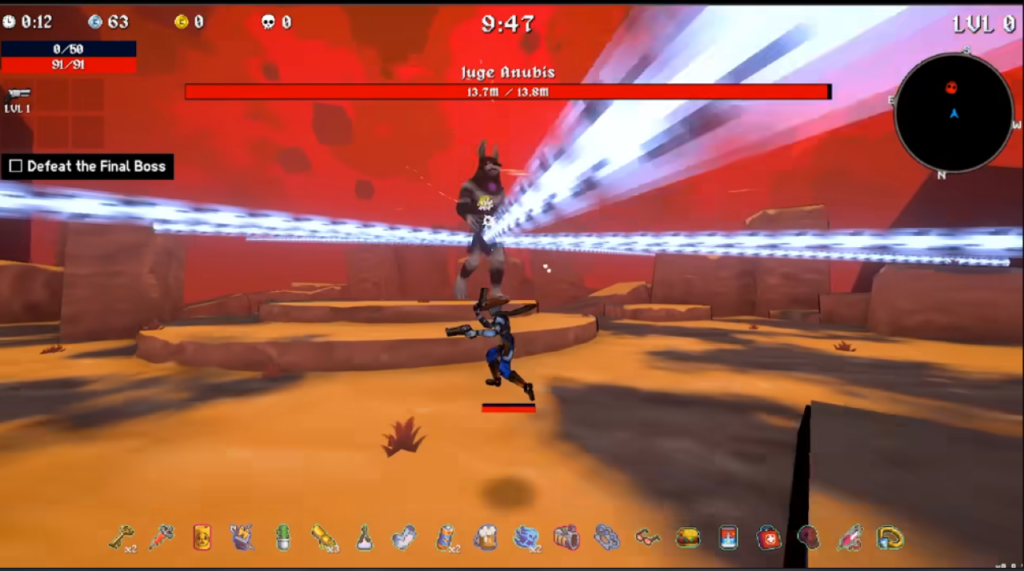
Roguelite players don’t expect an easy ride. In fact, many actively seek out games that demand patience, persistence, and repeated failure. What they don’t want, is a game that feels unfair.
There’s an important distinction between difficult and punishing. A difficult game convinces you the next run could be different. A punishing one convinces you there was nothing you could have done differently.
The best roguelites almost always stay on the right side of that line. When you fail, you blame your decision, not the game. That’s why you’re so willing to try again.
Respect the Player’s Time
Perhaps the biggest misconception about roguelites is that they’re endless time sinks. The best ones are surprisingly respectful of your schedule.
Whether a run lasts fifteen minutes or an hour, it almost always feels complete. You achieve something, learn something, or unlock something before deciding whether to continue.
Great roguelites don’t ask players to commit hundreds of uninterrupted hours. They simply give them a reason to come back tomorrow.
It’s Never Really Been About Winning
From the outside, roguelites can look repetitive. The same enemies, same levels, and same inevitable deaths. The people who love the genre know that’s only half the story.
Every run is another experiment. It’s another opportunity to learn and another chance to discover a combination you hadn’t considered or overcome a challenge that stopped you yesterday.
Winning is satisfying, but it’s rarely the reason players stay.
The best roguelites make failure feel meaningful, progress feel inevitable, and every new attempt feel full of possibility. That’s why players willingly fail hundreds of times without getting bored.
They’re not chasing the perfect run, they’re just chasing the next one.