

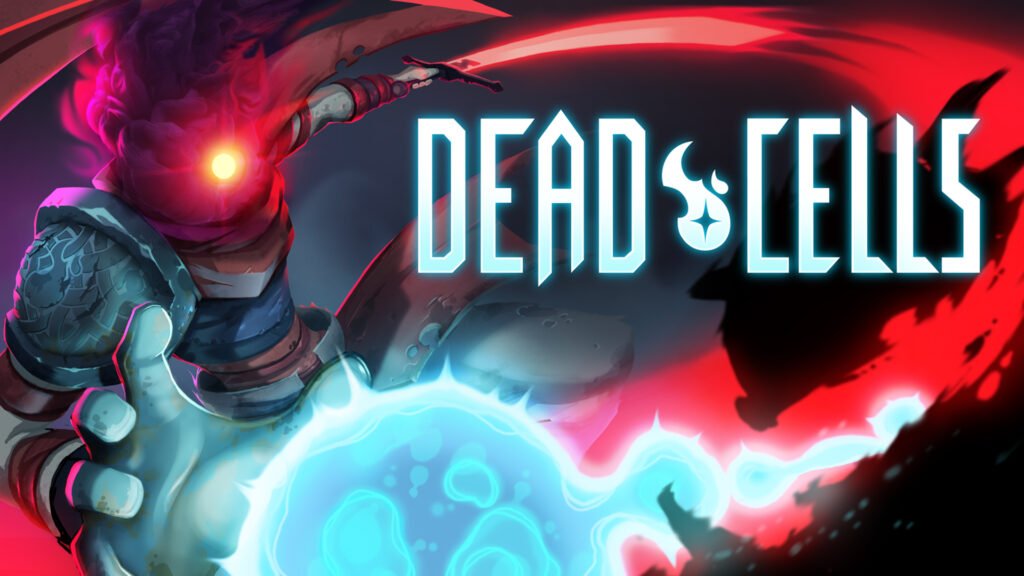
One of the first things Dead Cells teaches you is how to attack, dodge, climb, and eventually parry. Those lessons matter, of course. Without them, you wouldn’t make it out of the Prisoners’ Quarters.
But if you’ve spent any meaningful amount of time with the game, you’ll know those mechanics aren’t usually the reason your runs succeed or fail. Often, the mistake that ends your run happened several rooms earlier.
Maybe you held onto a weapon that was already starting to struggle. Perhaps you ignored a mutation that would have solved the problems waiting in the next biome. Or maybe you convinced yourself that the build you had would somehow come together if you just found one more upgrade.
By the time an elite enemy or boss finally empties your health bar, Dead Cells is simply cashing in a decision you made long before the fight even began.
That’s one of the smartest things about the game’s opening hours. The tutorial teaches you the controls, but the early biomes teach you how to think.
The Promenade of the Condemned Is Quietly Teaching You Everything
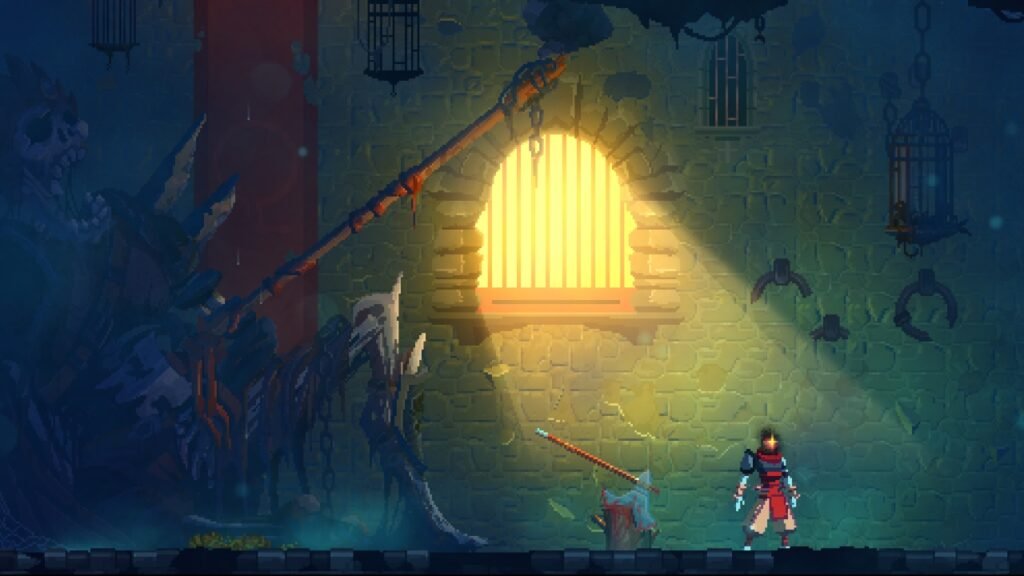
The Promenade of the Condemned doesn’t feel particularly threatening once you’ve spent enough time with Dead Cells. Veteran players can sprint through it without giving most enemies a second thought. The first time you arrive there, though, it’s doing something surprisingly clever.
The enemies are dangerous enough that you can’t simply mash your way through every encounter, but they’re also forgiving enough that you have time to watch what they’re doing. Their attacks are clearly telegraphed, the spaces between encounters give you room to breathe, and mistakes are rarely punished with an instant trip back to the beginning.
At first, it simply feels like another early biome but looking back, it’s really where Dead Cells starts teaching patience.
You begin recognizing attack animations instead of reacting to panic and stop rushing into every fight. You start paying attention to positioning instead of damage numbers. Those habits become essential later on, but the game introduces them when the stakes are still relatively low.
The enemies aren’t really the lesson, they’re simply the teachers.
The Pop-Ups Explain the Controls, but the Biomes Explain the Game
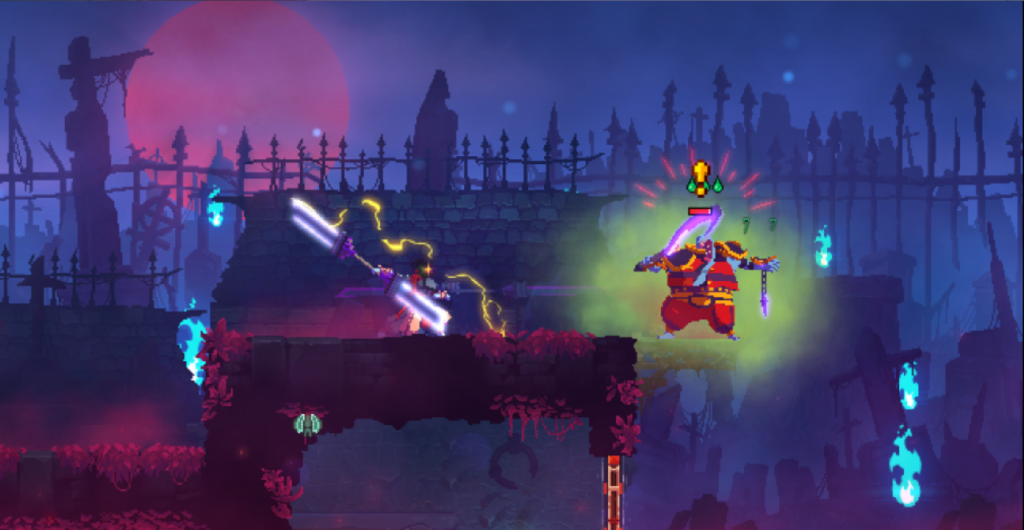
Dead Cells never hides its mechanics from you. It happily explains what Scrolls do, how mutations work, and why shields could be worth trying. That’s useful information but it just isn’t the thing that typically kills most players.
What catches people out is arriving somewhere like the Clock Tower with a build that no longer solves the problems the game is asking them to overcome. A weapon that felt incredible in the Prison Depths suddenly feels awkward against faster enemies, and a comfortable mutation choice starts looking like a missed opportunity.
No tutorial window can really prepare you for that because it isn’t a mechanical problem, it’s a decision-making one.
Every Run Is Really About Choices
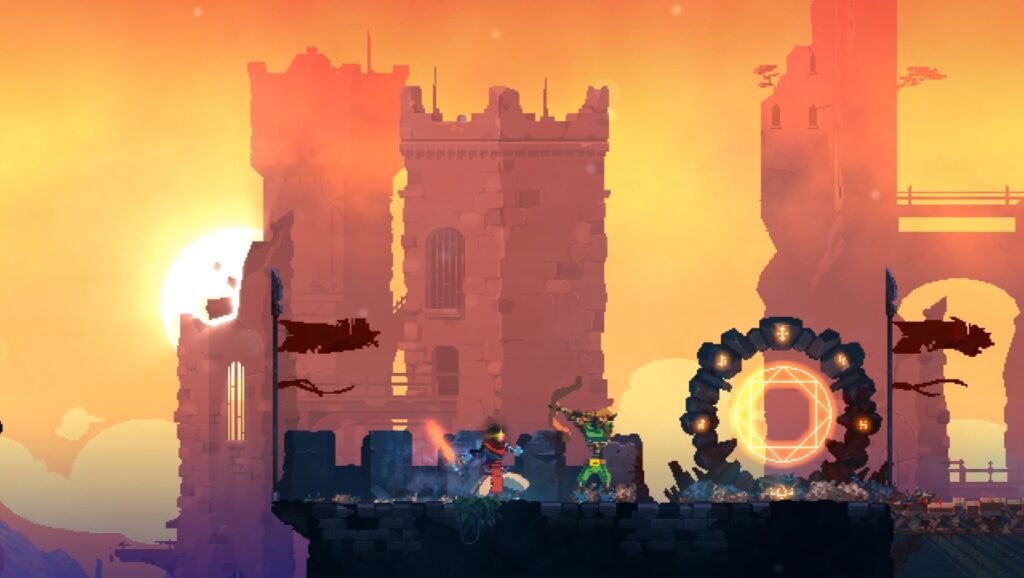
It’s easy to think of Dead Cells as a game about reflexes because combat feels so fast. Dodge at the wrong time and you’ll know about it immediately. However, good players are making better decisions long before those reactions become necessary.
They’re choosing routes that suit their build and swapping equipment when a better opportunity appears, instead of becoming attached to what worked twenty minutes ago. They’re planning for the Hand of the King while they’re still exploring the middle of a run.
That’s why watching experienced players can feel almost effortless. Their movement is impressive, but their decision-making is usually what keeps them alive. By comparison, newer players often lose long before they realize the run is slipping away.
Failure Is the Best Teacher
One of the reasons Dead Cells remains such a brilliant roguelite is that it teaches through failure. Instead of interrupting the action with lengthy tutorials, it trusts players to notice patterns for themselves.
Every death leaves behind another small piece of understanding. Every disappointing build teaches you something about synergy, while each frustrating biome prepares you for the next one. Eventually, you start asking what you could have done differently ten minutes earlier.he execution half, you have not taught the game. You have taught the warm-up.