

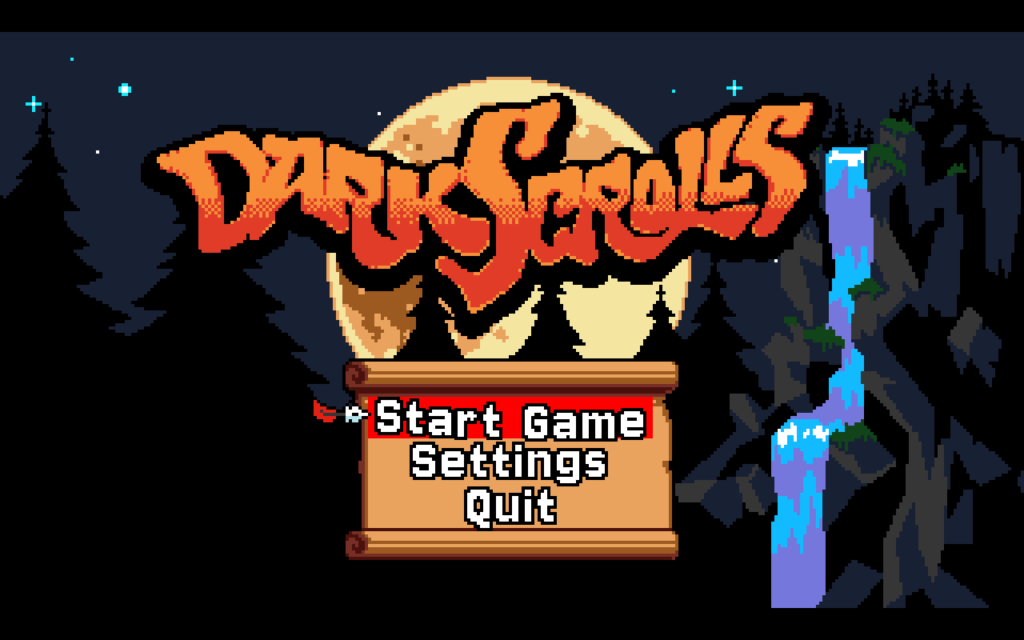
Everything about Doinksoft’s latest roguelite Dark Scrolls feels like rediscovering a forgotten fantasy game from the 1980s and that’s exactly why I couldn’t wait to dive into it. From its chunky pixel art to its relentless auto-scrolling action, the game perfectly captures the spirit of the arcade machines I grew up playing.
That nostalgic charm is undeniably part of the appeal, and it would have been easy for the game to rely on that alone. Thankfully, it never does. Instead, it uses that familiar foundation to deliver a fast-paced roguelite that’s equal parts frustrating, rewarding, and surprisingly difficult to put down.
After countless runs, plenty of hard-earned unlocks, and enough deaths to make the opening forest feel like home, here’s why I think Dark Scrolls gets so much right, and where it falls short.
First Impressions: Thrown in at the Deep End
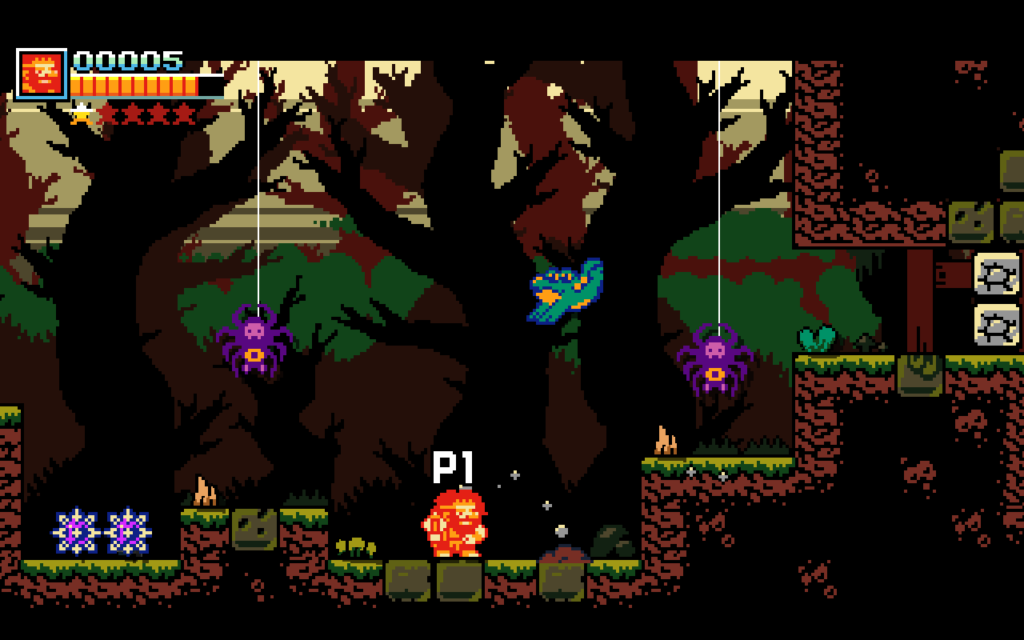
The first thing I learned is Dark Scrolls has very little interest in holding your hand. There’s no lengthy tutorial explaining every mechanic, or any tutorial for that matter. It doesn’t carefully ease you into the experience. Instead, it throws you straight into the action and expects you to figure things out the old-fashioned way. Dying, trying again, and gradually getting a little further each time.
The screen scrolls relentlessly from left to right, enemies arrive from every direction, and before you’ve fully worked out the controls, there’s a very good chance you’ve already died and been sent back to the opening forest.
It’s equal parts confusing and chaotic.
If I’m being completely honest, I spent the first hour dying with remarkable consistency. I had no idea what was happening. I wasn’t planning strategies, hunting for treasure, or trying to unlock characters or perks. I was simply trying to stay alive long enough to figure it out.
Progress Comes One Run at a Time
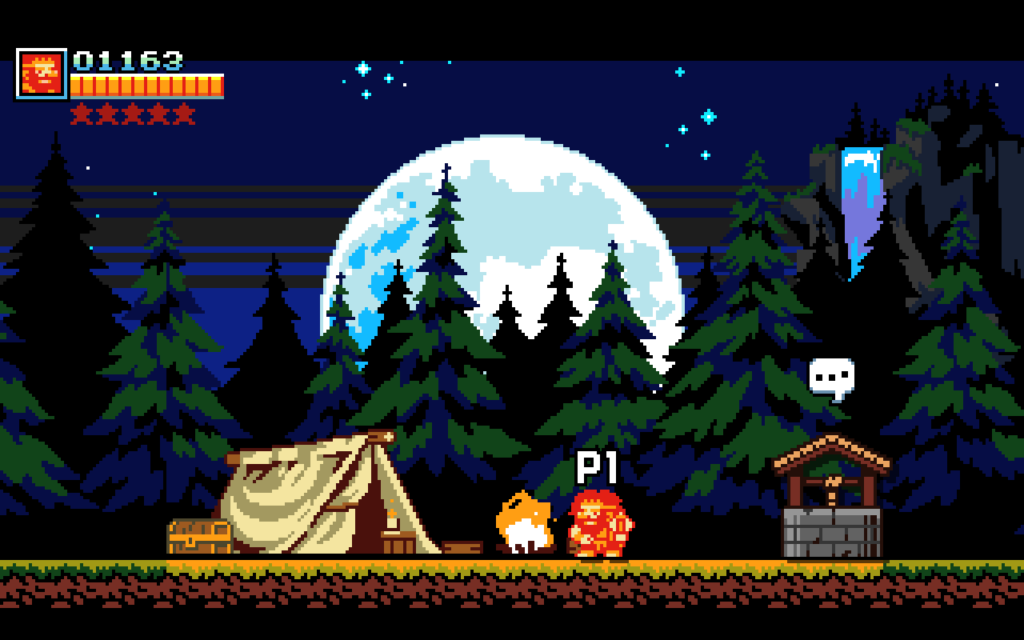
One of Dark Scrolls’ biggest strengths is that failure rarely feels like wasted time.
Every run pushes you forward in some way, whether that’s unlocking a new hero, earning another achievement, purchasing a permanent upgrade, or simply becoming a little better at surviving. Even after a disastrous run, it rarely felt like I’d walked away empty-handed.
You begin with three heroes to choose from: Emerys the mage, Pigeon the thief, and Grizz the barbarian, who quickly became my personal favorite.
Six more characters can be unlocked as you progress, and what impressed me most is how distinct they all feel. Every hero encourages a different approach, whether that’s reaching treasure others can’t, dealing with particular enemies more effectively, or simply complementing your preferred playstyle.
The unlocks don’t stop there, either.
There are perks to collect, permanent upgrades to invest in, and sixteen achievements waiting for anyone determined enough to earn them. I particularly liked that each hero comes with their own achievement challenges, giving you another reason to experiment rather than simply sticking with the character you already know.
Dark Scrolls earns its progression. It doesn’t simply hand out rewards for showing up. It asks you to work for them, fail repeatedly, and keep coming back. That means when a new character, achievement, or upgrade finally unlocks, it feels genuinely deserved.
Co-Op Adds More Mayhem Than Teamwork
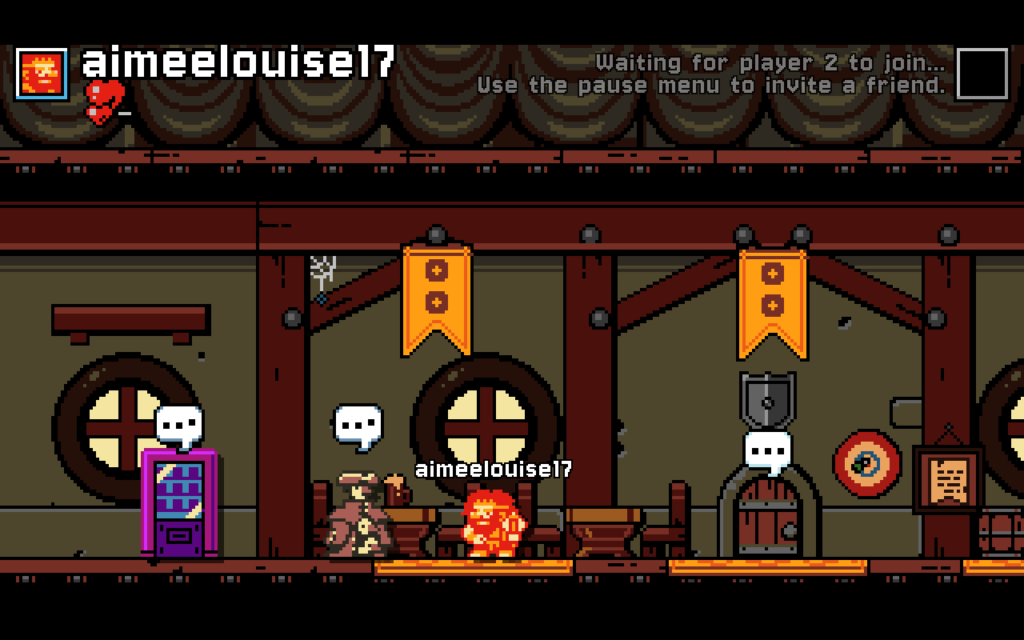
Dark Scrolls feels like the kind of game that was always destined for co-op. The relentless pace, constant enemy swarms, and inevitable moments of panic are simply more entertaining when someone else is sharing them with you.
Whether they’re actually helping is another matter.
Communication is fairly limited, you have four emojis you can use to “chat” to the other player, and more can be unlocked. Under normal circumstances that could feel restrictive, but the game moves at such a frantic pace that stopping to discuss strategy would probably get you both killed anyway.
My first online co-op experience certainly didn’t involve much planning. The moment we entered the opening level, my teammate appeared to settle on a remarkably straightforward strategy… Hold down the attack button and never let go.
To be fair, it worked surprisingly well – right up until they repeatedly managed to get themselves killed, leaving me to deal with several bosses on my own. It wasn’t exactly the carefully coordinated adventure I’d imagined, yet oddly enough, it was still a great time.
That’s probably because Dark Scrolls doesn’t really need elaborate teamwork. It thrives on shared mayhem. While I enjoyed jumping into online matches with strangers, I suspect local co-op with a friend would be where the game truly shines, particularly one who knows that sometimes the best strategy isn’t waking every enemy on the screen.
A Few Things I’d Change…
No game gets everything right, and Dark Scrolls is no exception. Thankfully, most of its shortcomings are more frustrating than fundamental.
The biggest hurdle is accessibility. As I touched on earlier, the game explains very little. That approach works when it’s teaching you enemy patterns or encouraging you to learn through failure. It’s far less effective when you’re trying to understand some of the game’s progression systems.
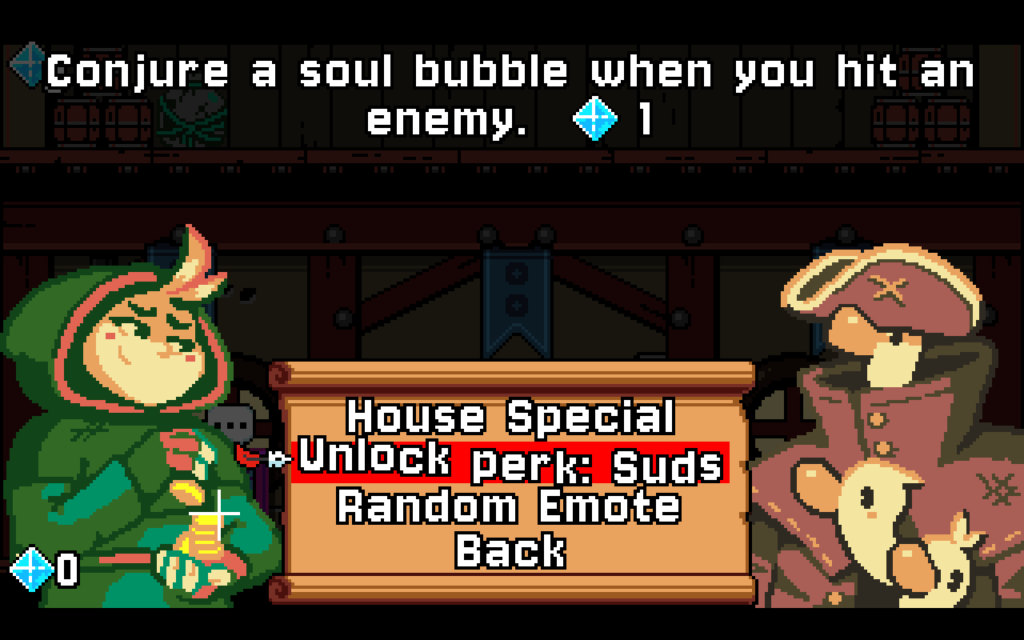
The perk system was where I felt that lack of explanation the most. When you purchase a perk, you’re asked which star level you’d like to assign it to, but the game offers very little context about what that actually means. It wasn’t until several runs later that I realized stars are earned by defeating enemies, your special ability activates once you’ve filled all five stars, and any perk assigned to a particular star level only takes effect when that point in the meter is reached.
A little more guidance wouldn’t have taken away the satisfaction of learning the game. It simply would have made those early runs feel far less confusing.
The other hurdle is repetition.
Starting over after every death is part of the roguelite experience, and normally it isn’t something I’d criticize. Here, though, Dark Scrolls has a habit of sending you back to the opening forest with remarkable regularity, particularly while you’re still finding your feet.
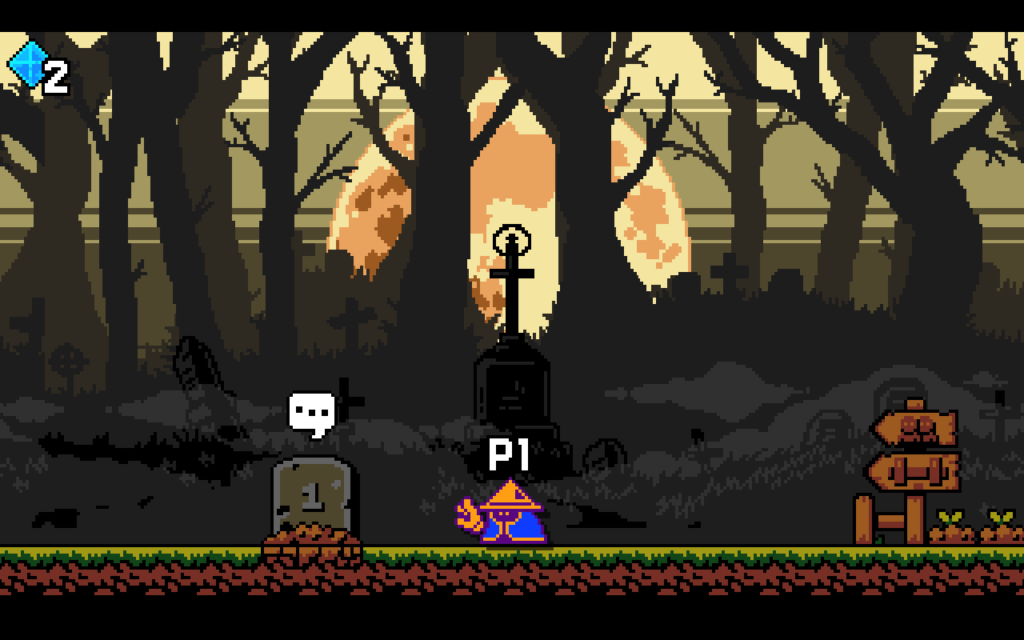
Procedurally generated enemy waves do enough to keep individual runs feeling fresh, but there’s no escaping the fact that you’ll become very familiar with those opening levels.
Whether that becomes frustrating will largely depend on your tolerance for repeated failure.
For me, it landed somewhere in the middle. Some evenings I’d happily tell myself, “Just one more run,” only to realize another hour had disappeared. Other times, after battling my way through the opening forest yet again, I found myself wishing for a slightly quicker route back to the content I’d already fought so hard to reach.
Final Verdict
Dark Scrolls isn’t a perfect roguelite. Some of its systems could do with a little more explanation, and its unforgiving difficulty means you’ll spend more time replaying the opening areas than you might like. Yet none of those frustrations were ever enough to stop me coming back.
That’s because, underneath those rough edges, is an incredibly enjoyable arcade roguelite that constantly rewards persistence.
Ironically, one of its biggest frustrations also became one of its greatest strengths. Runs are relatively short and death is never far away, making it the perfect game to dip in and out of.
As a 40-something gamer, that’s exactly the kind of experience I find myself gravitating toward. I don’t always have an entire evening to lose myself in a sprawling RPG, but I almost always have half an hour for another attempt. More often than not, that half hour turned into three or four more runs as I chased another unlock, another achievement, or simply another chance to do a little better than last time.
That’s probably the biggest compliment I can pay any roguelite.
With achievements still waiting to be unlocked and heroes still left to master, I don’t think I’m quite done with this one just yet.
Pros
- Fun side-scrolling gameplay
- Nostalgic retro aesthetic
- Good range of achievements & unlocks
- Short runs
Cons
- No tutorial
- Can feel repetitive
- Can be too chaotic