
Every roguelike promises that no two runs will ever be quite the same. Different upgrades appear, different enemies get in your way, and every fresh attempt presents another opportunity to try a weapon or build you ignored last time. In theory, they’re games built around experimentation.
So why do so many of us end up making the same choices?
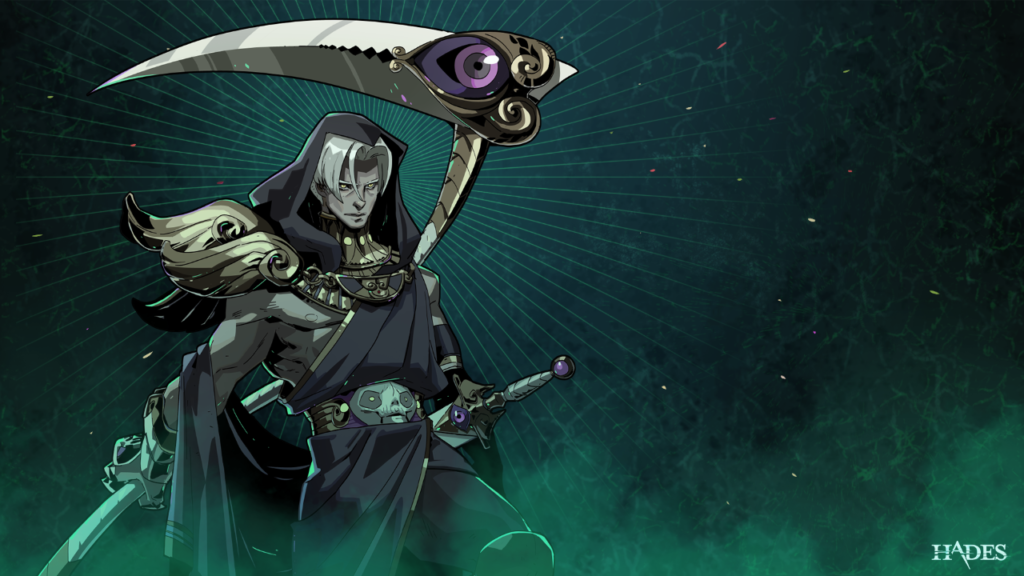
Whether it’s the Heart-Seeking Bow in Hades, a ranged build in Risk of Rain 2, or one of the countless guns scattered throughout Enter the Gungeon, there’s a noticeable tendency to gravitate towards weapons that let us fight from a safe distance. It’s not something every player does, of course, but it’s common enough that it feels less like coincidence and more like instinct.
Of course, the obvious explanation is that ranged weapons are simply stronger, but I don’t think that’s quite true. Some of the most satisfying melee weapons in the genre are every bit as powerful, and in the right hands they’re often considerably faster. The difference is that roguelikes ask us to think about risk in a way few other genres do, and that changes the way we approach almost every decision we make.
Let’s take a look at some of the reasons ranged combat continues to feel like the safer choice.
Permadeath Changes the Rules
Losing a run doesn’t just send you back to the beginning. It also takes away whatever momentum you had built over the last twenty, thirty, or even sixty minutes. Even in games with generous permanent progression, there’s still that brief moment where you can’t help but think, “If only I’d played that fight a little differently.”
After enough defeats, you naturally begin looking for consistency instead of excitement and that’s where ranged weapons have an advantage. They allow you to deal damage while spending less time standing where the danger is, and although that sounds obvious, it has a surprisingly large effect on the way a run feels.
Having a little extra space gives you more time to react, more opportunities to spot incoming attacks, and more chances to recover from the occasional mistake before it becomes the one that ends your run.
It’s Easier to Be Brave From Across the Room
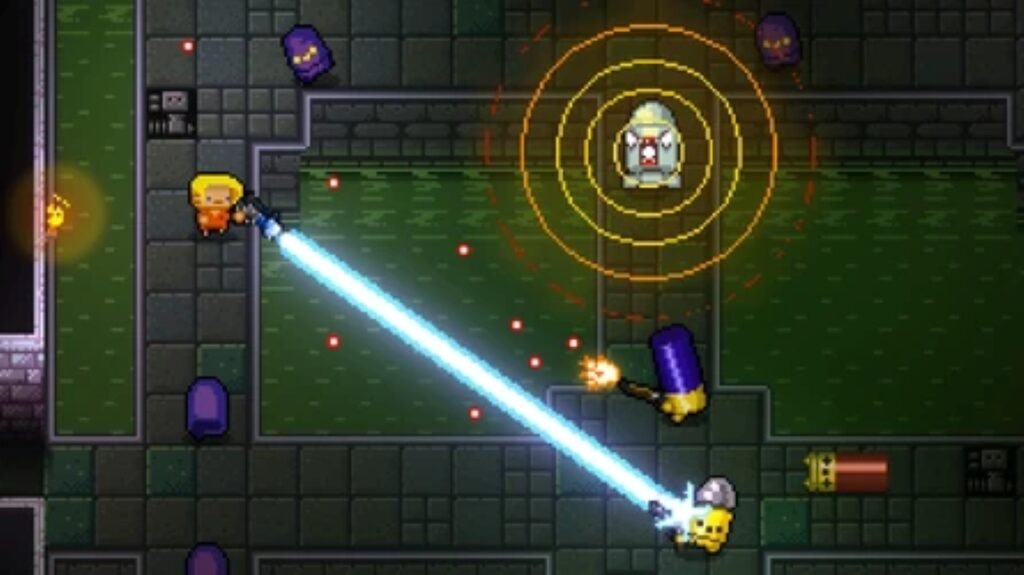
Most roguelikes are designed to overwhelm you eventually. Enemies arrive from multiple directions, projectiles begin filling the screen, and bosses become increasingly more difficult the longer the fight continues. Keeping track of everything is hard enough without placing your character directly beside the biggest threat in the room.
Fighting at range doesn’t remove that challenge, but it often makes it easier to manage. You’re able to watch enemy patterns develop instead of reacting to them at the last possible moment, and that extra breathing room can make even chaotic encounters feel surprisingly controlled.
That’s one of the reasons ranged builds often feel so comfortable. They give you a little more time to think, and in roguelikes, good decisions usually matter far more than fast reactions alone.
The Best Melee Weapons Earn Your Trust
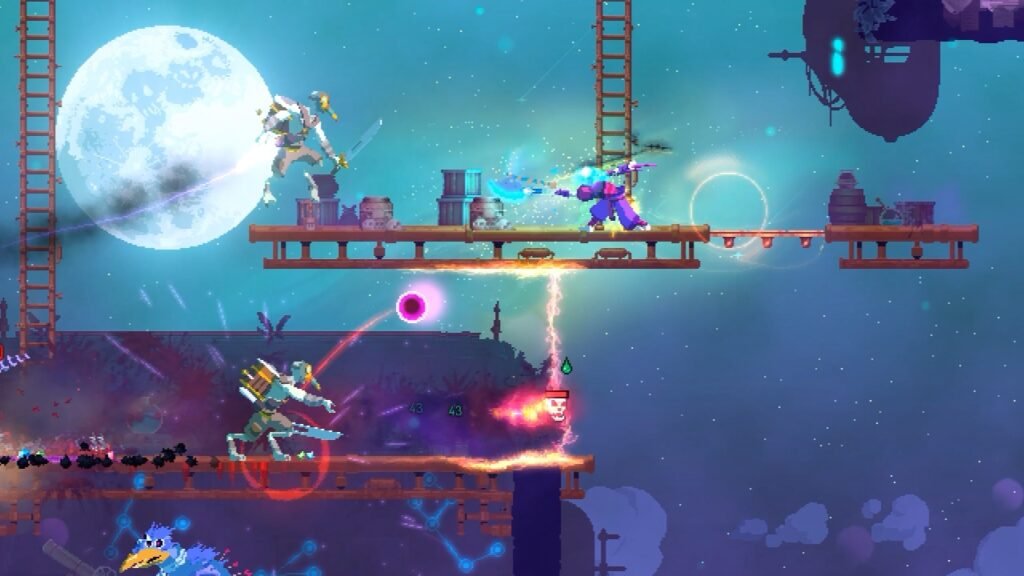
What’s interesting is that the best roguelikes rarely solve this by making ranged weapons weaker. Instead, they find ways to make stepping into danger feel worthwhile.
Dead Cells rewards aggressive movement so well that charging towards an enemy often feels safer than backing away. Hades gives each Infernal Arm its own distinct identity, making the choice feel less about efficiency and more about finding a fighting style that suits you. Risk of Rain 2 equips its melee survivors with the mobility they need to survive encounters that would overwhelm slower characters.
Those games understand that players don’t mind taking risks, they simply want to feel that the reward justifies making them.
Maybe It’s Not the Weapons After All
It’s entirely possible we’ve created this bias ourselves. After enough failed runs, we become conditioned to avoid unnecessary danger wherever we can. We stop asking which weapon looks the most enjoyable and start asking which one is least likely to cost us another attempt. Without really noticing, survival becomes the priority and experimentation slowly slips into the background.
Perhaps that’s why the discussion around weapon balance never seems to go away. We assume we’re comparing swords against bows or hammers against guns, when in reality we’re often comparing confidence against caution.
That’s part of what makes roguelikes so fascinating. They don’t just shape our builds, they shape our behavior. The longer we play, the more our experiences begin influencing the choices we make before a run has even started. If that means reaching for the bow one more time, perhaps it was never the weapon that changed, perhaps it was us.