

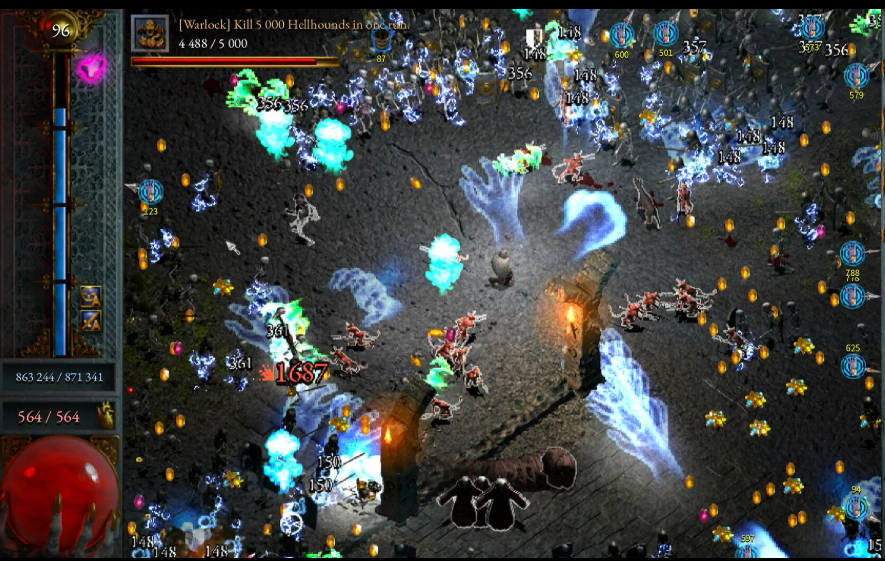
There aren’t many subgenres that have grown as quickly as the autoshooter. Over the past few years, the number of new releases has skyrocketed, and it now feels as though hardly a month goes by without another one arriving on Steam.
Whether they’re introducing fresh mechanics, unusual themes, or even bigger waves of enemies, the genre shows no signs of slowing down.
Games like Vampire Survivors, Brotato, Soulstone Survivors, Halls of Torment, Deep Rock Galactic: Survivor, Rogue: Genesia, and dozens of others, have attracted millions of players, proving there’s an enormous appetite for games where your character does the shooting and you focus on surviving.
On the surface, it almost seems too simple to work. So why has one of the genre’s least demanding control schemes become one of its biggest success stories?
Autoshooters Are Surprisingly Easy to Pick Up
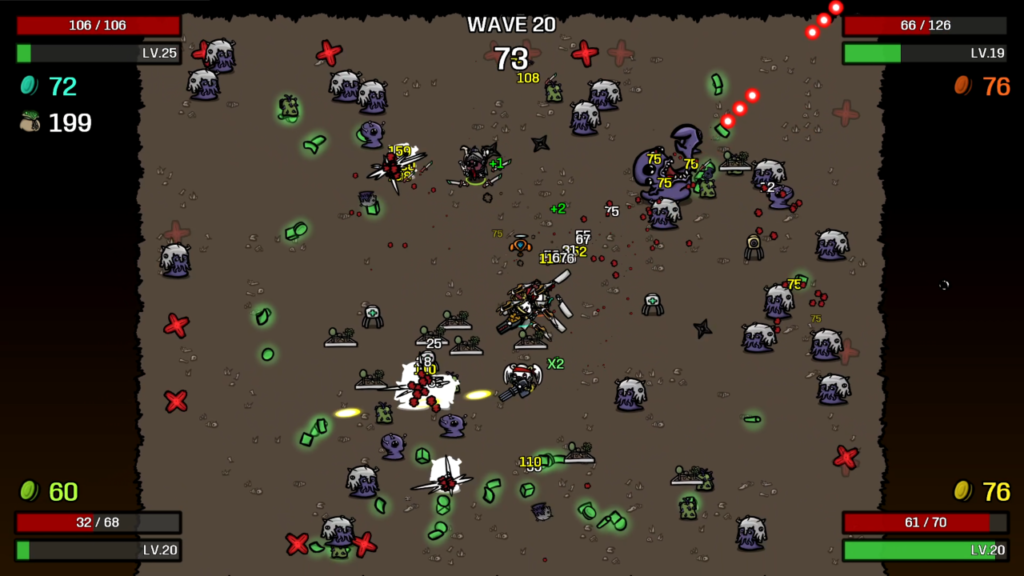
One of the biggest reasons autoshooters have found such a huge audience is because almost anyone can understand and play them within a matter of minutes.
Whether you’re stepping into Vampire Survivors, Brotato, or Deep Rock Galactic: Survivor, the opening few minutes rarely feel overwhelming. You’re not worrying about complicated attack combinations, perfect timing, or remembering dozens of different button inputs. The shooting happens automatically, allowing you to focus entirely on movement, positioning, and deciding which upgrades best suit your build.
That doesn’t necessarily make the games easier, it simply makes the challenge easier to understand which can make a huge difference, especially to newcomers of the genre.
The Builds Never Stop Growing
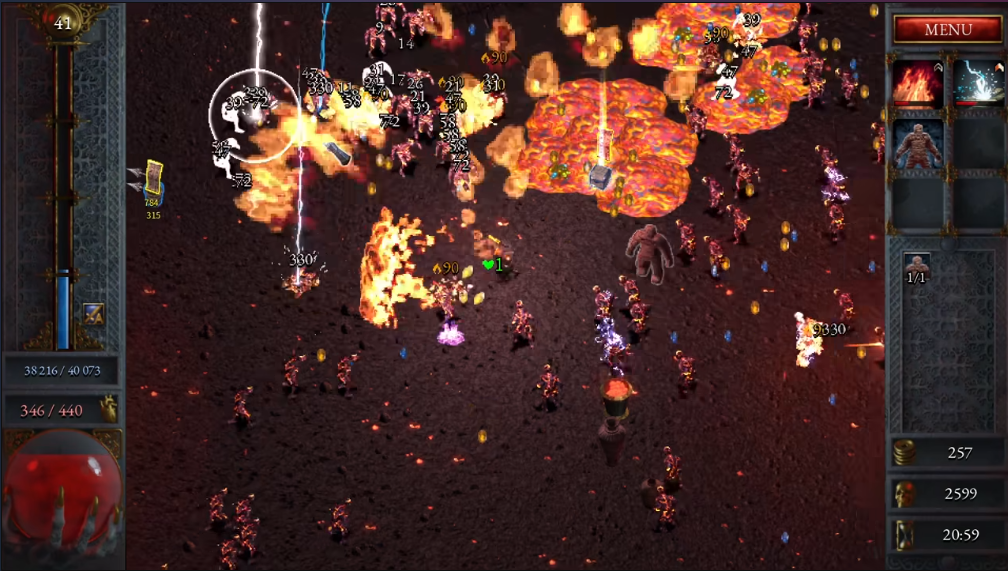
One thing autoshooters do exceptionally well is make players feel more powerful with almost every level.
The opening minutes usually feel cautious. You’re weaving between enemies, carefully collecting experience gems and hoping the right upgrade appears. Then, gradually the games become more chaotic.
Before long, Soulstone Survivors is filling the screen with spells, Rogue: Genesia has transformed into a whirlwind of projectiles, or Halls of Torment has your character carving through enormous waves that would have seemed impossible just a few minutes earlier.
Part of the appeal also comes from how frequently the games ask players to make decisions. Level up, choose an upgrade. Open a chest, improve a weapon. Find a passive item, unlock another synergy.
Games like Vampire Survivors and Death Must Die constantly reward players with meaningful decisions, and because every upgrade influences the direction of your build, even relatively small choices can completely change how the next ten minutes unfold.
That constant sense of progression keeps the momentum going from beginning to end.
They’re Perfect for Short Play Sessions
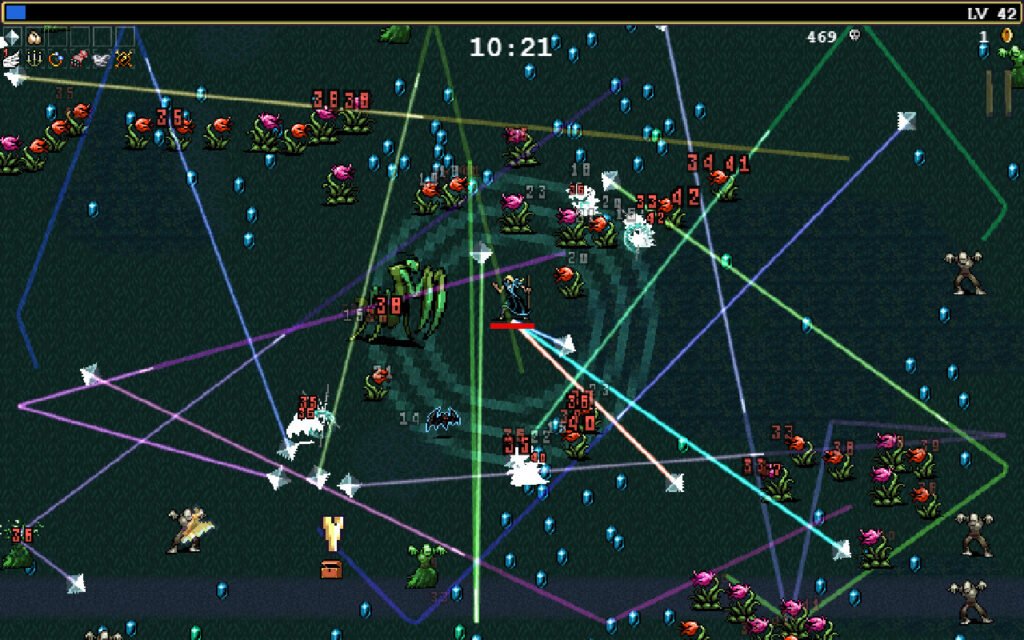
Autoshooters also fit surprisingly well into modern gaming habits. A complete run often lasts somewhere between twenty and thirty minutes, making games like Brotato, Deep Rock Galactic: Survivor, or 20 Minutes till Dawn easy to jump into after work without feeling like a huge commitment.
Even when you lose, there’s usually another build waiting to be discovered or another character worth trying.
That accessibility has undoubtedly contributed to the genre’s growth. It’s remarkably easy to tell yourself you’ll play for half an hour, although admittedly less easy to stop after the fifth run.
The Formula Still Has Room to Grow
Perhaps the most impressive thing about autoshooters is how quickly they’ve continued evolving.
Some games, like Death Must Die, combine the formula with action RPG progression and loot, while others such as Nordhold and Rogue: Genesia experiment with different progression systems and mechanics that push the genre in new directions. Every few months another developer seems to find a different way of approaching a formula that looked deceptively simple only a few years ago.
That’s usually a good sign. The most successful subgenres aren’t the ones that stop changing, they’re the ones that keep finding new ideas without losing what made them enjoyable in the first place.
Autoshooters feel very much like they’re still in that stage and judging by how many players continue discovering them every year, it doesn’t feel as though they’re slowing down anytime soon.