

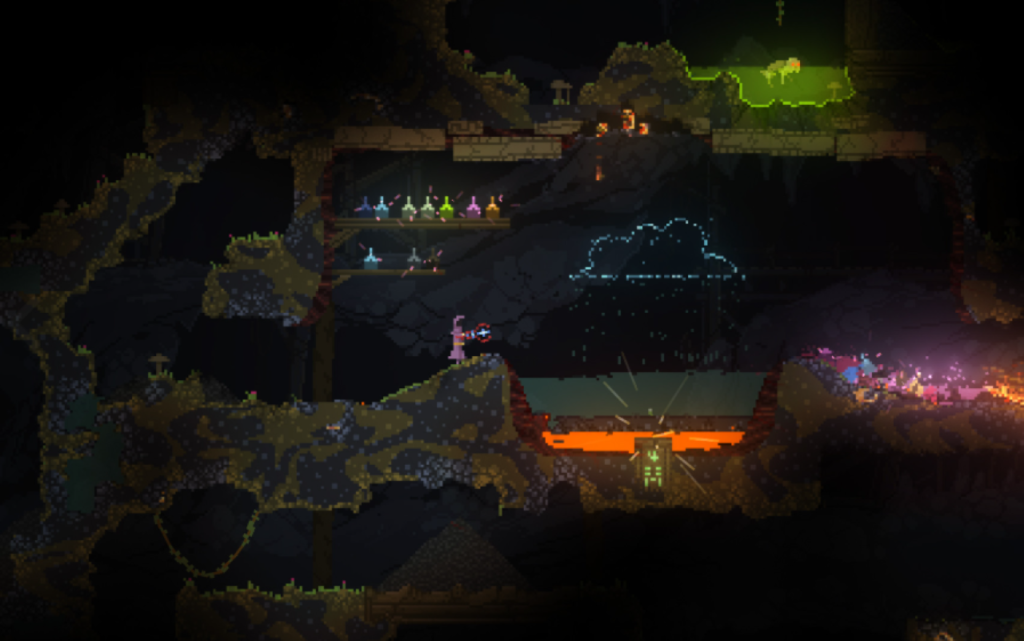
One of the easiest ways to get a roguelike player’s attention is to promise more builds. More weapons, relics, classes, and more ways to accidentally stumble across something so spectacularly overpowered that you spend the next week trying to recreate it. Build variety has become one of the genre’s biggest selling points, and it’s easy to understand why. The more possible combinations a game offers, the more reasons players have to come back for another run.
Games like The Binding of Isaac, Slay the Spire, Noita, and Risk of Rain 2 have built enormous communities around experimentation. Every run becomes another opportunity to discover an interaction you hadn’t considered before or uncover a combination that completely changes the way you approach the game. It’s one of the biggest reasons roguelikes remain endlessly replayable.
But lately, I’ve found myself wondering whether build variety comes with a trade-off we don’t talk about very often. Not because having more choices is a bad thing, but because more choices don’t automatically make us better players.
So, is there a hidden cost to endless build variety?
Experimentation Only Works When Failure Has Something to Teach You
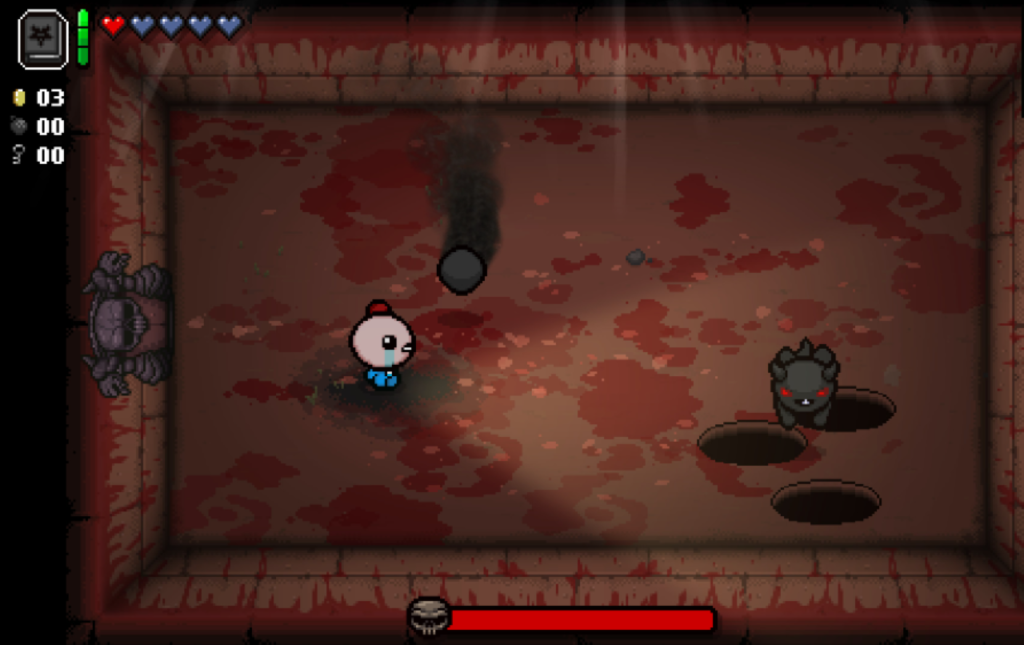
One of the reasons The Binding of Isaac has remained so fascinating for well over a decade is that it rarely lets players stumble into mastery by accident. Its enormous item pool encourages experimentation, but experimentation alone isn’t what makes the game memorable. It’s the consequences that follow.
Every Isaac player has a story about a run that fell apart because they picked up an item they didn’t fully understand. Maybe it was a synergy that looked incredible until it started damaging them instead of their enemies. Perhaps it completely changed the way their attacks behaved, forcing them to rethink everything they’d been doing up to that point. Those failures are frustrating in the moment, but they’re also incredibly difficult to forget. The next time that item appears, you’ll almost certainly approach it differently.
That’s where actual learning begins. The game isn’t simply rewarding you for trying something new, it’s asking you to understand why it worked or why it didn’t.
More Choices Don’t Always Mean More Learning
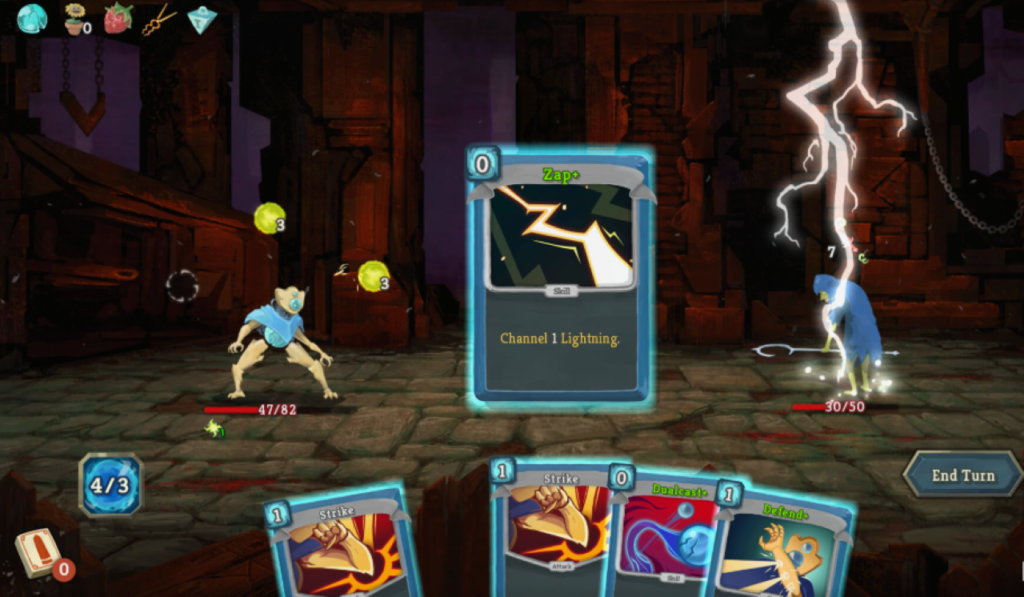
The best roguelikes don’t just offer players hundreds of possible builds. They make those builds worth understanding.
It’s an important distinction because build variety and player mastery aren’t quite the same thing. A game can contain hundreds of weapons, relics, and upgrades, but if almost every combination comfortably carries you through a run, there’s very little reason to think critically about the decisions you’re making. You’re experiencing the content, but you aren’t necessarily learning the systems behind it.
Compare that to games like Slay the Spire or Noita. Neither game expects every run to go according to plan. Instead, they constantly ask players to evaluate what they’ve been given, adapt to changing circumstances, and find creative solutions using imperfect tools. Winning rarely comes from memorizing a single overpowered strategy, it comes from understanding why one decision makes more sense than another in that particular run.
Variety Needs Consequence
I don’t think the hidden cost of endless build variety is that players become worse at roguelikes. If anything, more possibilities usually make the genre far more exciting. The real danger is when variety exists without meaningful consequences.
If every upgrade feels equally viable, every path leads to roughly the same outcome, and every experiment succeeds often enough to avoid serious punishment, then decision-making gradually becomes less important. The game still feels fun, and there’s absolutely nothing wrong with that, but the choices themselves lose some of their weight.
You’re no longer asking, “Is this the right decision?” You’re simply asking, “What haven’t I tried yet?”
The roguelikes that stay with players for years tend to avoid that trap. They don’t just celebrate experimentation, they demand understanding. Every failed run leaves behind another piece of knowledge, another lesson about an enemy, an item interaction, or a risk that wasn’t worth taking. The build might disappear when the run ends, but that experience doesn’t.
Build Variety Was Never the Real Goal
Players aren’t necessarily chasing endless build variety, what they’re really chasing is discovery. Build variety simply happens to be one of the best ways to create it.
Every new relic, weapon, spell, or item represents another opportunity to uncover something surprising. The games that continue rewarding that curiosity long after the first few hours are often the ones that become genre classics.
Perhaps that’s why games like The Binding of Isaac, Slay the Spire, and Noita still inspire so much discussion years after release. Their enormous pools of possibilities aren’t memorable because of their sheer size. They’re memorable because every choice has the potential to teach you something you didn’t know before.
Maybe that’s the hidden lesson behind endless build variety. It’s never been about giving players more doors to open. It’s about making sure that whichever door they choose, they walk away understanding the game a little better than they did before.ke sure walking through the wrong one still hurts.