

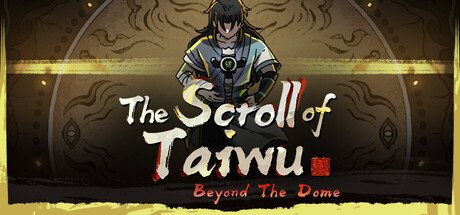
The Scroll of Taiwu has finally hit version 1.0, and the update promises to cement a sprawling hybrid of roguelike randomness, dynasty simulation, and wuxia storytelling that few games have attempted to fuse this deliberately.
The indie title, rooted in Chinese mythology and martial arts tradition, tasks players with stepping into the shoes of successive heirs to the Taiwu clan across multiple lifespans. Each heir inherits skills and relationships from their predecessor, but the world itself regenerates with new maps, NPCs, and enemies on each run. That cycle of inheritance and novelty is the game’s central hook, separating it from standard roguelikes that reset everything between attempts.
What sets Taiwu apart from similar multi-generational roguelites is its deliberate attention to systems depth. The game combines crafting, village management, martial arts progression across fifteen distinct sects, and relationship tracking for thousands of procedurally-behaving NPCs who age, fall ill, and die. Marriage, children, and the cultivation of disciples all feed into the long-term strategy. There’s even cricket fighting, framed as a tongue-in-cheek diplomatic tool for settling disputes with sect leaders.
The roadmap from here isn’t entirely clear, but the developer’s official site and Steam store page suggest the team will be staying active to turn around their mostly negative user review score. For roguelike players fatigued by genre convention, Taiwu is a game willing to slow down, let you build something, and make you care about people who won’t survive to see your next life. That restraint may be its strongest card yet.