

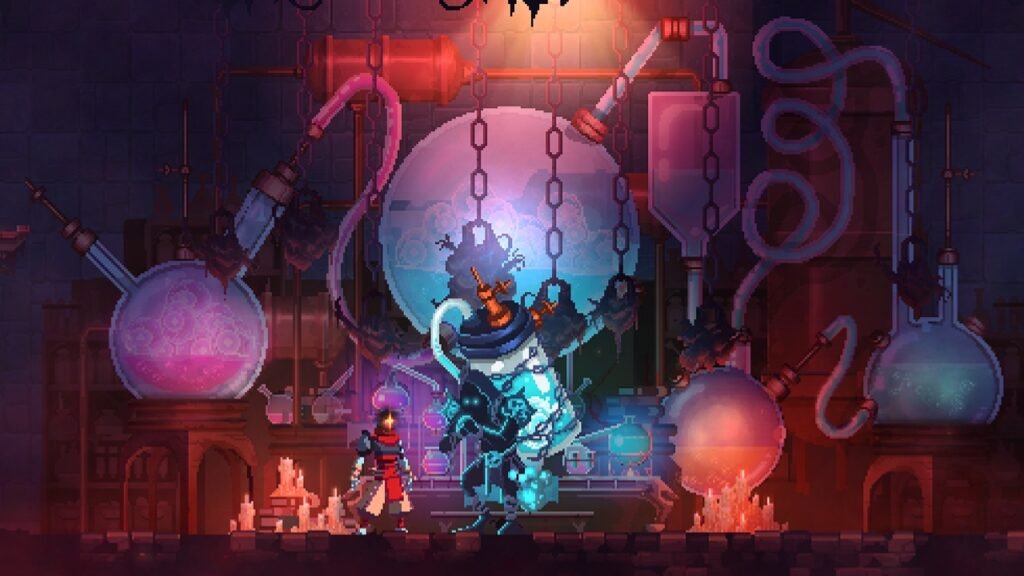
Few rogue games have had the impact of Dead Cells. Motion Twin’s roguelike metroidvania somehow found the perfect balance between fast, responsive combat and the addictive “just one more run” formula that keeps you coming back long after you thought you’d finished for the night. Every run introduces new weapons, mutations, and routes through the island, making experimentation just as rewarding as mastering its challenging enemies and bosses.
The problem is that once you’ve escaped the island enough times, it’s surprisingly difficult to find another game that captures the same feeling. Plenty of roguelikes borrow elements of Dead Cells, but very few combine fluid movement, satisfying combat, meaningful progression, and endless replayability in quite the same way.
Whether you’re looking for another action roguelike with lightning-fast combat, a challenging roguevania packed with exploration, or simply something that delivers that familiar rush of discovering a build that completely changes the way you play, these are the rogue games you should be picking up next.
1. Astral Ascent
The Garden may look beautiful, but it isn’t somewhere anyone enters willingly. This astral prison is guarded by the Zodiacs, 12 powerful bosses spread across four colorful worlds, and escaping means choosing one of four heroes before fighting your way through everything standing between you and freedom. Each character approaches combat differently, from Ayla’s rapid blade attacks to Octave’s collection of summoned weapons, giving you plenty of reasons to return with someone new after a failed attempt.
Dead Cells players should feel comfortable with Astral Ascent’s quick movement and fast, reactive combat, but its spell system gives each run an identity of its own. You’ll gradually collect and improve dozens of spells, combine them with character abilities, and shape a build capable of handling whichever Zodiac is waiting ahead. The story also unfolds a little further with each escape attempt, revealing more about the heroes, their captors, and the strange world surrounding them.
Astral Ascent captures much of the speed and freedom that makes Dead Cells so enjoyable while surrounding it with a brighter fantasy world and a more prominent cast of characters. You can even bring another player along through local co-op or Steam Remote Play Together, making the journey out of the Garden considerably less lonely.
2. The Rogue Prince of Persia
One fatal mistake has left Persia in ruins, but death gives its Prince more than one opportunity to put things right. Each attempt sends you back through the kingdom to explore new paths, meet different characters, uncover secrets, and use everything learned from previous failures to change its fate. The story moves forward alongside your runs, turning every death into another chance to understand what went wrong and get a little closer to saving your people.
Movement is where The Rogue Prince of Persia immediately earns its place beside Dead Cells. The prince can wall-run, vault over enemies, dodge traps, and chain acrobatic attacks together without losing momentum, making traversal feel like part of the combat rather than something that happens between fights.
More than 100 weapons and medallions allow you to shape a different build during each attempt, while procedurally generated levels, random events, difficulty modifiers, and permanent progression keep the journey changing.
There is a familiar confidence to its fast combat, and that isn’t entirely coincidental. The Rogue Prince of Persia was developed by Evil Empire, the studio responsible for years of Dead Cells updates and expansions. Its parkour gives the action a personality of its own, but anyone missing the responsiveness and momentum of Dead Cells should feel at home almost immediately.
3. A Robot Named Fight
The world of A Robot Named Fight has long since been overrun by the Megabeast, a nightmarish mass of flesh that continues to spread its monstrous creations across the planet. As the lone robot capable of stopping it, you’ll descend into a procedurally generated labyrinth where every run uncovers a different collection of weapons, artifacts, and abilities.
Like any great Metroidvania, exploration is just as important as combat, with new upgrades allowing you to revisit earlier areas, uncover hidden paths, and gradually piece together a route through the ever-changing maze.
Dead Cells fans will quickly recognize that same satisfying feeling of exploring, unlocking new movement options, and becoming stronger as a run unfolds. Every labyrinth is built differently, more than 80 unique items ensure your build constantly changes, and true permadeath means every decision matters. If what you loved most about Dead Cells was combining rogue-lite replayability with Metroidvania exploration, A Robot Named Fight delivers exactly that in its own wonderfully grotesque way.
4. Summum Aeterna
Immortality isn’t much of a gift when you’re constantly fighting for survival. In Summum Aeterna, you play as the King of Darkness, an ancient ruler condemned to battle through dangerous worlds packed with deadly enemies, traps, and towering bosses. Every run begins with a weapon of your choice before gradually expanding your arsenal through new equipment, powerful gems, permanent upgrades, and increasingly dangerous worlds shaped by the game’s unique Seed Mechanic.
Like Dead Cells, success comes from mastering fast, fluid combat while constantly adapting to the tools each run provides. The biggest difference is how much control you have over the worlds themselves. Every seed carries different traits that influence enemy behavior, events, rewards, and even the size of each map, allowing you to shape future adventures as you progress. It keeps the familiar “fight, die, improve, repeat” loop intact, while giving each run a level of customization that few roguevanias can match.
5. GetsuFumaDen: Undying Moon
The gates of Hell have been thrown open, and it’s up to the leader of the Getsu clan to descend into the underworld and stop the catastrophe at its source. GetsuFumaDen: Undying Moon combines hack-and-slash combat with a striking world inspired by traditional Japanese ukiyo-e artwork, making every biome, boss, and enemy feel like you’ve stepped into a living painting.
Death isn’t the end of your journey either. Every failed attempt lets you return stronger, unlocking new weapons, permanent upgrades, and fresh opportunities to push deeper into Hell.
Dead Cells fans will immediately appreciate its emphasis on fluid combat and weapon mastery. Katanas, spears, battle umbrellas, and other weapons all have their own rhythm, encouraging you to learn attack timings rather than simply button-mash your way through encounters. Add in procedurally generated levels, powerful boss fights, weapon crafting, and real-time soul upgrades during each run, and you have another roguevania that rewards both skill and experimentation while carving out an identity entirely its own.
6. BlazBlu Entropy Effect
BlazBlue Entropy Effect takes the fast, stylish combat the series is known for and rebuilds it into a roguelike where every run encourages you to experiment. Sixteen playable characters each bring their own completely different fighting style, from agile combo specialists to heavier hitters, while hundreds of unlockable moves, elemental effects, and legacy skills let you create builds that feel dramatically different from one another. Whether you’re chasing bigger combos or discovering unexpected ability synergies, there’s always another combination worth trying.
The comparison to Dead Cells feels natural because both games thrive on momentum. Combat is lightning fast, movement is incredibly responsive, and mastering your character feels just as rewarding as finding the perfect build.
While BlazBlue Entropy Effect leans further into flashy combo chains than Metroidvania exploration, anyone who loved Dead Cells for its speed, precision, and endlessly replayable action will find plenty to enjoy here. As a bonus, it even features free crossover content starring The Prisoner from Dead Cells, complete with a dedicated Metroidvania-inspired area and original story.
7. Oblivion Override
Humanity may be gone, but the machines certainly aren’t. In Oblivion Override, you take control of Crimson, a rogue combat bot fighting through a dystopian world ruled by artificial intelligence in search of the truth behind the mysterious Oblivion Code.
Every run sends you deeper into abandoned factories, bio-engineered greenhouses, data centers, and other hostile locations while unlocking new combat machines, each with their own distinct abilities and playstyles. As you progress, the Atomic Evolution system lets you customize your build at any point during a run, opening up plenty of room for experimentation.
If Dead Cells hooked you with its fast-paced combat and satisfying movement, Oblivion Override scratches a very similar itch. Dashing through enemies, chaining attacks together, and swapping between more than 26 specialized weapons feels wonderfully fluid, while the optional Alert Level system lets you increase the difficulty whenever you’re ready for a tougher challenge. It captures the same addictive feeling while giving its futuristic setting and evolving combat systems plenty of personality.
8. Scourgebringer
The world of ScourgeBringer is on the brink, and Kyhra, the deadliest warrior of her clan, is humanity’s best hope of uncovering what remains. Her journey takes her through an ever-changing dungeon filled with ancient machines, relentless enemies, and towering bosses, all while searching for answers hidden beneath the ruins of a post-apocalyptic world. Exploration gradually reveals mementos left behind by previous adventurers, slowly piecing together the mysteries surrounding the Scourge.
ScourgeBringer has often been described as “Dead Cells meets Celeste,” and it’s easy to see why. Movement is incredibly fast and fluid, combat rewards constant aggression, and chaining dashes, slashes, and aerial attacks together quickly becomes second nature. It may place less emphasis on Metroidvania exploration than Dead Cells, but if your favorite moments came from flying across the screen, weaving through enemies, and barely touching the ground between fights, this is one of the closest alternatives you’ll find.
9. Rogue Legacy 2
In Rogue Legacy 2, death isn’t the end of your adventure, it’s the beginning of someone else’s. Every fallen hero is succeeded by one of their children, each arriving with their own class, abilities, and often hilarious personality traits. One heir might be a nimble Ranger, while the next could be a pacifist chef or an archer who sees the world in black and white. Between runs, you’ll spend your family’s fortune expanding the manor, unlocking permanent upgrades that make future generations better equipped to survive the kingdom’s ever-changing dangers.
Like Dead Cells, every expedition throws new layouts, enemies, and challenges your way, rewarding players who can adapt rather than memorize. Rogue Legacy 2 also embraces its Metroidvania roots through permanent heirlooms that unlock new ways to explore, while relics add powerful run-defining abilities that force you to balance risk against reward. If you enjoy gradually becoming stronger without losing the excitement of unpredictable runs, Rogue Legacy 2 is one of the finest roguevanias you can play.
10. Skul: The Hero Slayer
Most fantasy adventures cast you as the hero. Skul: The Hero Slayer flips that idea on its head by putting you in control of a tiny skeleton determined to rescue the captured Demon King after humanity devastates the Demon King’s Castle.
Although Skul may not look particularly intimidating, he possesses an unusual ability to swap his skull for dozens of different ones, each transforming him into a completely different fighter with new attacks, abilities, and combat styles. You can even equip two skulls at once and switch between them instantly, opening the door to some incredibly creative combinations.
Dead Cells fans will feel right at home with its responsive side-scrolling combat, challenging boss encounters, and constantly changing runs. The skull-swapping mechanic gives Skul its own identity, encouraging experimentation in much the same way Dead Cells does with its huge variety of weapons and builds. If you’re looking for another fast-paced roguevania where every run offers fresh possibilities, Skul: The Hero Slayer deserves a place near the top of your list.
Where Will You Dash To Next?
Dead Cells helped redefine what a roguevania could be, combining fast, responsive combat with meaningful exploration and the kind of replayability that easily takes over an whole evening. While nothing quite replicates that experience, the games on this list all capture a different part of what makes it so special.
Some double down on lightning-fast movement, others lean further into Metroidvania exploration, and a few introduce entirely new ideas that still feel instantly familiar to Dead Cells veterans.
Whether you’re after another action-packed platformer, a fresh world to explore, or simply an excuse to perfect another ridiculously overpowered build, there’s no shortage of incredible roguevanias waiting once you’ve escaped the island. Chances are your next favorite run is already on this list.