

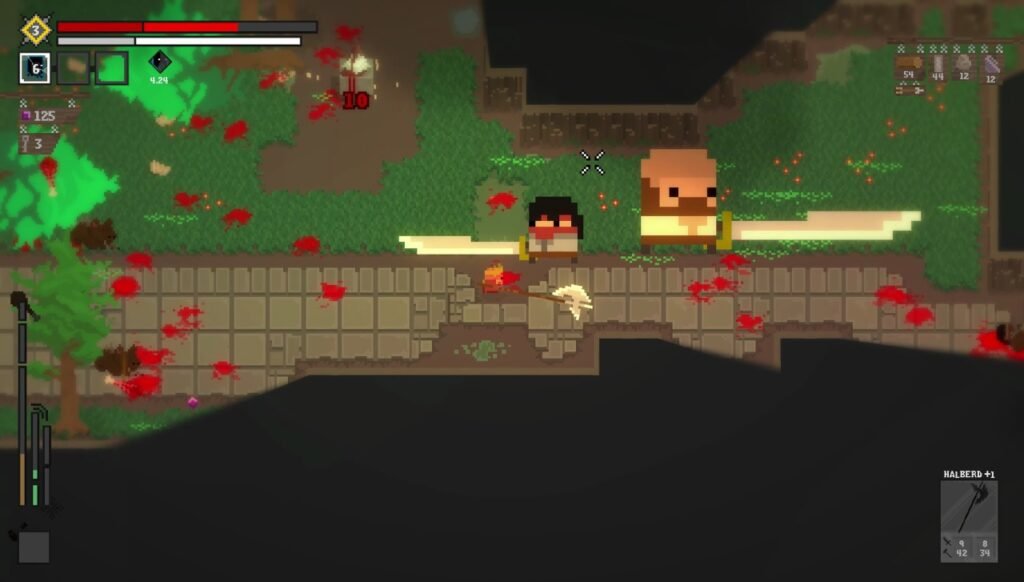
There are gods watching what you do in In Celebration of Violence, and they can be surprisingly particular about how you behave. Worship one of their rivals, kill the wrong person, or start destroying the local plant life and you could find yourself losing their favor. The problem is, nobody is going to sit you down and explain all these rules beforehand. You’ll mostly figure them out by doing something wrong and dealing with whatever happens next.
In Celebration of Violence is a fantasy action roguelike created and published by solo developer Julian Edison. It entered Early Access in 2016 before its full Steam release in February 2018, mixing deliberate combat and procedural generation with a surprisingly complicated collection of environmental systems. Edison has described it as The Binding of Isaac and Dark Souls “smushed together,” with Rogue Legacy and Hammerwatch thrown into the mix, although there’s enough going on underneath the surface for it to feel very much like its own thing.
Figure It Out or Die Trying
The basic controls are explained, but beyond that, In Celebration of Violence largely leaves you alone. Items aren’t fully described, secrets aren’t signposted, and many of the game’s stranger mechanics only start making sense once you’ve experimented with them yourself. However, there is a manual on Steam you can check out before playing.
Combat is slower and more deliberate than the usual action roguelike, with attacks, dodges, blocks and parries all needing some thought rather than simply throwing yourself into a group of enemies and hoping for the best. There are plenty of weapons and spells to experiment with, but knowing when to attack and when to get out of the way can be just as important as whatever you’re carrying.
A successful journey through one of the game’s branching routes can take around three hours, so one badly judged fight can wipe out quite a lot of progress.
Sometimes the World Does the Killing for You
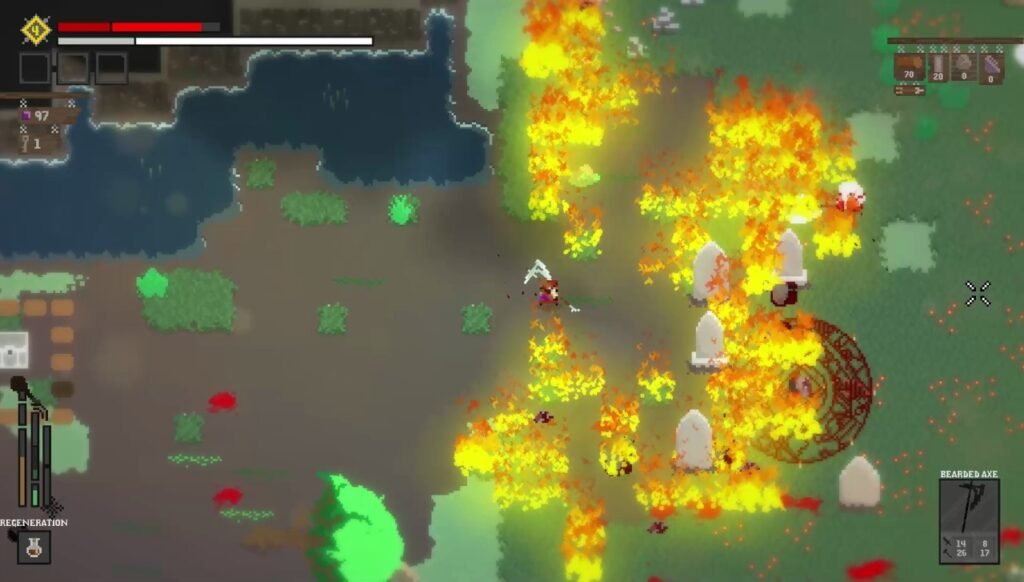
The environment gives you considerably more to think about than simply where the next enemy is standing. Fire spreads through flammable objects and reacts to temperature and weather, while rain and water can put it out again. Electricity jumps between nearby targets and becomes particularly dangerous around water, opening up opportunities to use the surroundings against enemies rather than dealing with everything yourself. Of course, none of these systems care whether it’s you or the enemy standing in the wrong place when things go badly.
The procedurally generated world stretches across plains, swamps, cities and dungeons, with different routes eventually leading toward different final bosses. Dungeons offer greater rewards but come with more traps and secrets, while the changing weather means even the environment itself isn’t guaranteed to behave exactly the same way from one journey to the next.
Then there are those gods. Shrines scattered throughout the world allow you to worship different deities in exchange for favors, items and bonuses, but each comes with its own rules and rivalries. A god might dislike you worshipping someone else, killing civilians or destroying foliage, turning what initially looks like another source of upgrades into an entire system you need to understand.
Build Whatever the Run Gives You
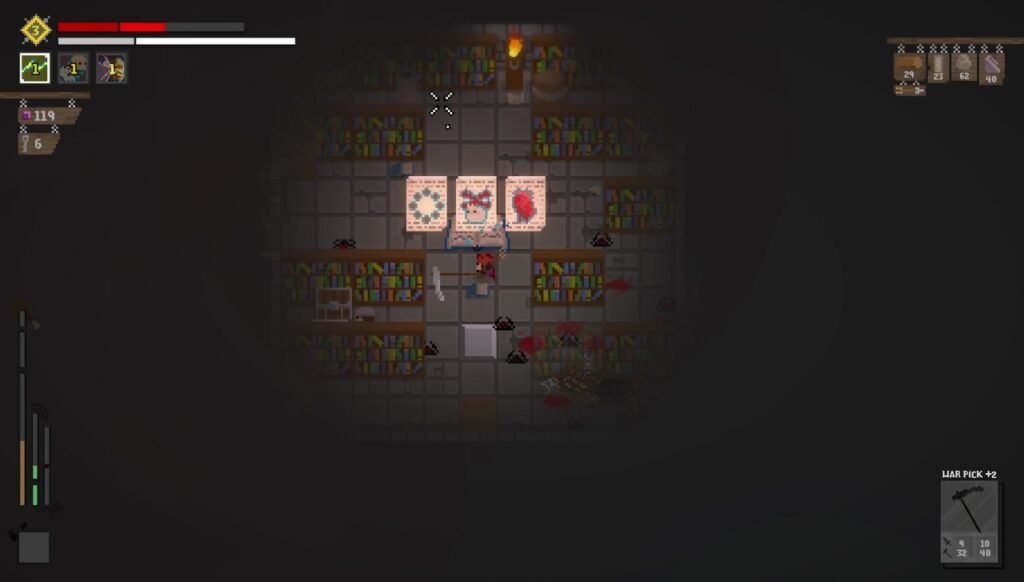
There are scores of weapons, spells, items and mementos to find, and what turns up can send a run in a completely different direction. One attempt might give you an enchanted ballista early on, while the next leaves you trying to make a couple of wooden clubs work.
Mementos make things even stranger. Some summon spiders from enemy corpses, others increase your strength while you’re on fire, and one can even reverse the effects of death. Combined with the game’s weapons and magic, there’s room to build around everything from an undead army to environmental traps, or simply stick with a sword and shield and hope that’s enough.
Death doesn’t wipe away everything you’ve accomplished either. Experience, discovered weapon schematics and defeated bosses carry over, while additional characters, items and bonuses can gradually be unlocked for future attempts.
Eight years after its full release, In Celebration of Violence still has only a few hundred Steam reviews, despite 87% of them being positive and giving the game a Very Positive rating. There are also 86 achievements hiding among its branching paths, unexplained mechanics, strange gods and increasingly dangerous experiments.
For a roguelike that’s spent years quietly letting players set themselves on fire, anger gods and discover new ways to die through trial and error, In Celebration of Violence has somehow remained surprisingly easy to miss.verything either. Experience, discovered schematics, defeated bosses, new characters, items, and bonuses gradually leave you better prepared for whatever comes next.