

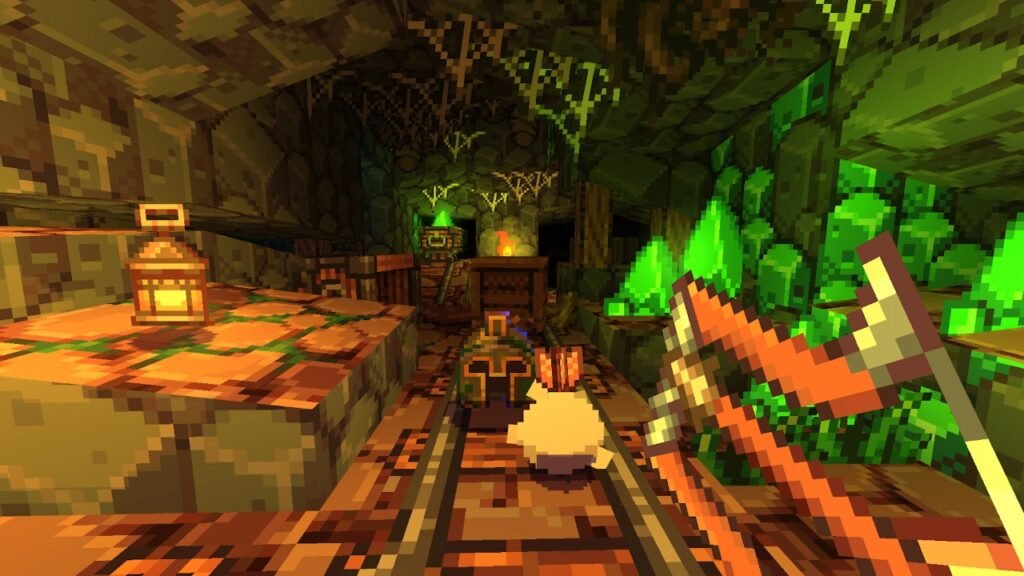
Somewhere at the bottom of a constantly shifting dungeon sits the Yithidian Orb. Getting down there means fighting through monsters, rummaging through whatever loot you can find, experimenting with unidentified potions and trying very hard not to die. Find the Orb and you might think the hard part is over. It isn’t. You still have to carry the thing all the way back out again.
Delver is a first-person action roguelike dungeon crawler developed by Chad Cuddigan and Joshua Skelton and published under Priority Interrupt. It spent several years in Early Access before its full Steam release in February 2018, combining the look and movement of a ’90s first-person RPG with procedural generation, permadeath and the kind of dungeon where grabbing everything that isn’t nailed down is generally encouraged.
Down Into the Dungeon
Every run begins above ground, but the Yithidian Orb you’re looking for is buried much further down. Between you and it are procedurally generated floors packed with enemies, locked doors, hidden areas, traps, treasure and whatever equipment the dungeon decides you’re getting this time around.
There are swords, bows and other weapons for dealing with enemies up close or from a safer distance, alongside wands and potions that give you a few more options when simply hitting something isn’t working. Equipment comes with different stats, and experience earned from killing enemies eventually lets you improve your character, but none of that changes the most important rule: once you’re dead, that character is gone and the next trip starts from scratch.
There isn’t any grinding your way around that difficulty either. Delver was deliberately designed around starting fresh, learning how the dungeon works and getting a little better at surviving it each time.
Finding the Orb Is Only Half the Job
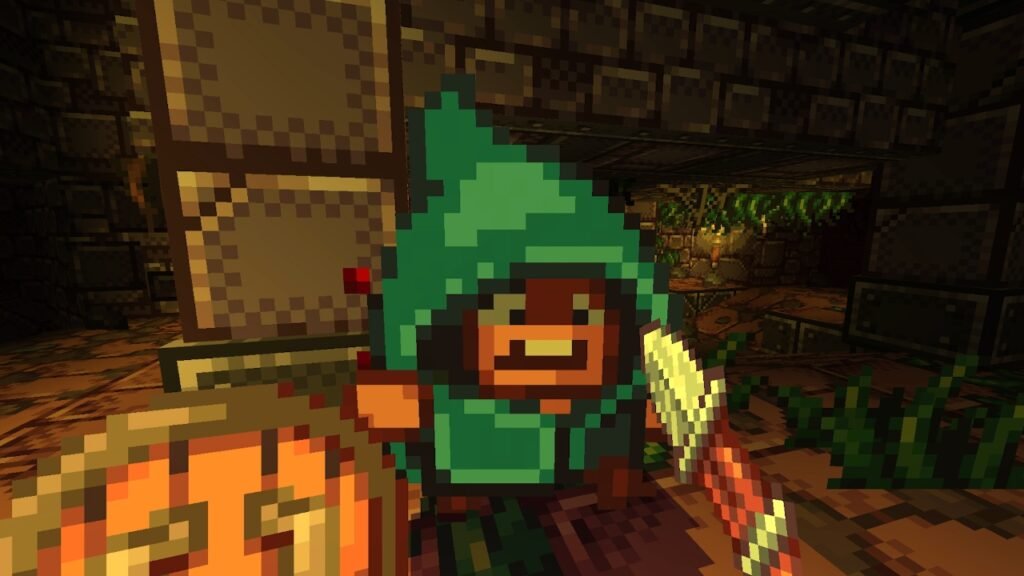
The Yithidian Orb gives each run a straightforward goal, but reaching it comes with a particularly nasty catch. Once you’ve fought your way down and finally picked it up, you don’t simply win. You have to turn around and escape with it, sending you back through the dungeon you’ve just spent the run trying so hard to survive. It’s a simple idea, but one that makes finally reaching your objective feel less like the finish line and more like the point where the dungeon gets one last chance to ruin everything.
That structure sits underneath a game that deliberately keeps things fairly old-school. Delver describes itself as a mixture of ’90s FPS combat and classic RPG mechanics, right down to its chunky pixel-art enemies and first-person dungeon crawling. There isn’t even a jump button, something the developers have confirmed is very much intentional.
Build Your Own Dungeon
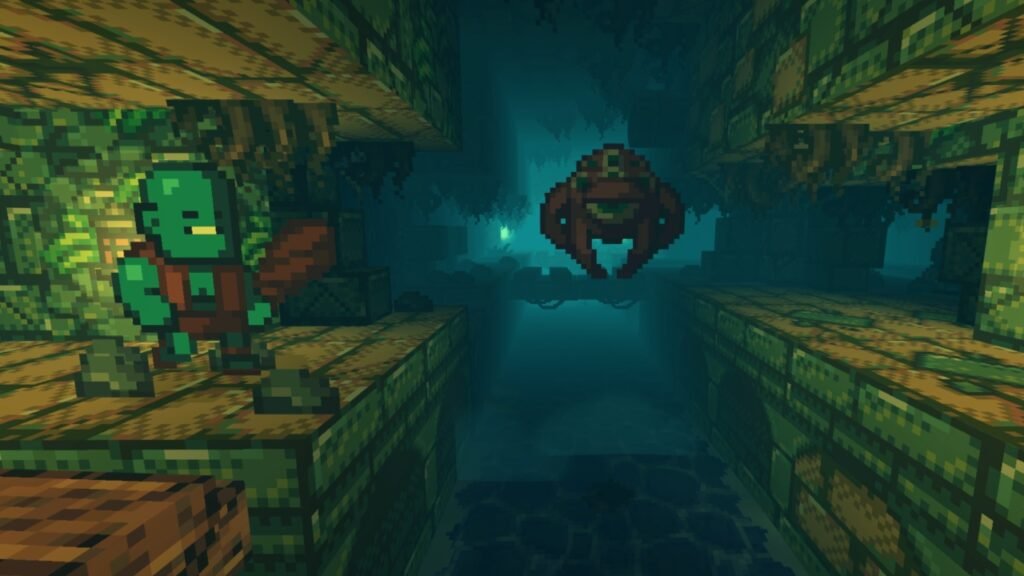
Finishing the main game doesn’t necessarily mean running out of places to explore either. Delver includes its own level editor alongside Steam Workshop support, allowing players to create and share custom content. The game itself may be a strictly single-player experience, but its dungeon doesn’t have to remain exactly as Priority Interrupt built it.
The technology underneath it has also been opened up. Priority Interrupt released the Delver Engine as open-source software after launch, with later updates incorporating community contributions alongside fixes and engine improvements. The most recent official version listed on itch.io is v1.08, released in October 2021.
Eight Years Later, Players Are Still Delving
Delver has been fully released for more than eight years now, but it’s easy to miss among the thousands of games that have arrived on Steam since. The people who did find it seem to have liked what was waiting underground.
It currently holds a Very Positive rating on Steam, with 87% of more than 1,700 English-language user reviews recommending it. There are also 26 achievements for anyone determined to squeeze a little more out of the dungeon once the Orb has finally made it back to the surface.