

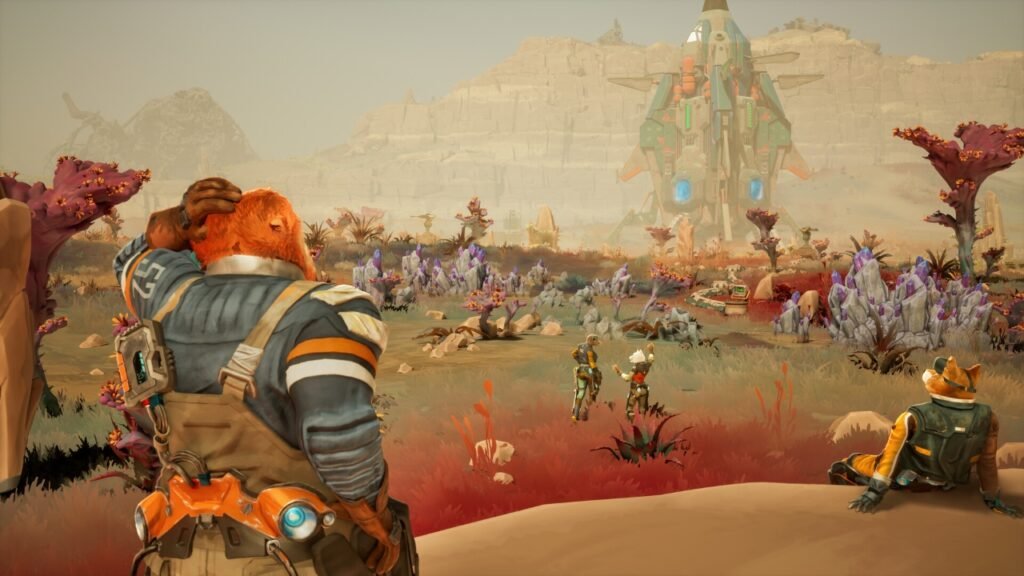
GRAVHOUNDS is an upcoming co-op action roguelike from seven-person indie studio Octopus Panic, and its newly revealed sci-fi world puts bio-engineered dogs to work on hostile alien planets. These aren’t exactly comfortable office jobs either. You’ll be gathering resources, constructing bases, fighting increasingly aggressive swarms, and hopefully getting back out before your canine workforce becomes alien food.
The studio officially unveiled the game during Gamescom 2026, and there’s quite a bit going on behind all those dogs in spacesuits.
Fetch Just Got Considerably More Dangerous
You can tackle GRAVHOUNDS alone or with up to three other players, with each mission sending your pack down to a hostile planet to complete a job.
Once you’re there, you’ll need to gather materials and start putting together the infrastructure needed to keep the operation running. Turrets can be deployed to deal with incoming enemies, generators provide power, fabricators keep things moving, and pipelines stretch across the landscape to transport resources and maintain your eventual escape route.
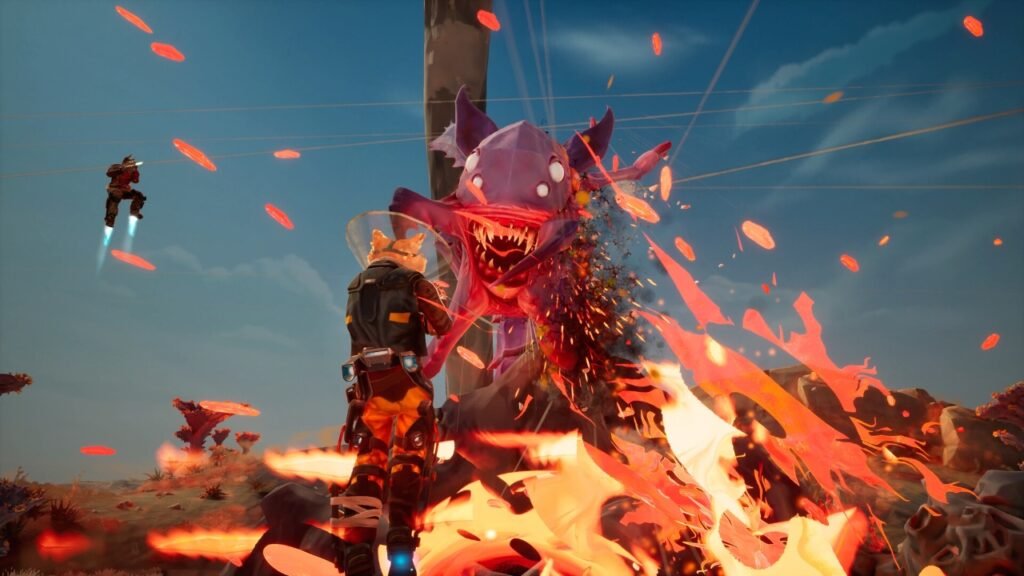
Then there’s the Grav Beam. Objects can be picked up and flung across the battlefield, allowing you to throw supplies towards teammates or turn gravity against whatever is trying to eat you. The game’s physics systems are designed to leave plenty of room for improvisation, which should make four dogs attempting to operate heavy machinery together about as sensible as it sounds.
The Longer You Stay, the Worse Things Get
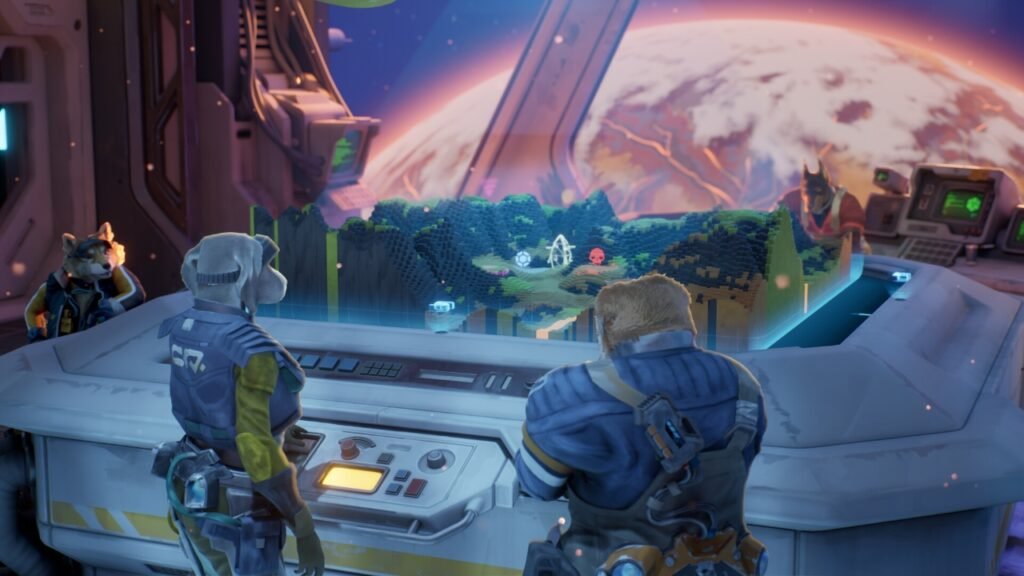
Getting greedy is where the roguelike side starts causing problems. Each shift offers a straightforward risk-versus-reward decision. More dangerous planets contain better materials, while remaining on the surface longer gives you opportunities to bring home a bigger haul.
Unfortunately, the swarm isn’t going to patiently wait while you fill your pockets. Enemy pressure increases as a shift continues, and the swarm reacts to the decisions your team makes. You’ll gain new abilities and upgrades along the way, stacking bonuses and adjusting your loadout as the situation changes, but eventually you’ll have to decide whether another resource run is worth potentially losing everything.
Movement should help when things inevitably go wrong. Gravhounds can boost in any direction, whether that’s to reach a teammate in trouble, grab some last-minute materials, or make a desperate dash towards safety.
These Dogs Were Literally Built for the Job
Octopus Panic hasn’t simply put ordinary dogs inside spacesuits. Your workers have been bio-engineered specifically for dangerous planetary operations, with different Gravhounds bringing their own strengths to the pack. New dogs, weapons, and upgrade paths can be unlocked as you progress, giving you more options for future expeditions.
There’s a suitably bleak corporate joke underneath all of this too. These dogs are described as loyal, obedient, and, rather ominously, expendable.
Octopus Panic says the idea grew from the team’s love of dogs and their different personalities and breed characteristics. From there came the slightly less wholesome idea of a future corporation realizing those qualities would make them excellent workers.
There’s Some Serious Experience Behind This Pack
GRAVHOUNDS might be Octopus Panic’s first game, but its seven-person team isn’t new to development.
Collectively, its members have previously worked on franchises including Halo, Battlefield, and Star Wars, alongside games such as Full Spectrum Warrior, Def Jam: Fight for NY, and The Saboteur. The studio was formed partly to move away from huge productions and create something smaller where experimentation and unpredictable player-driven systems could take priority.
GRAVHOUNDS enters Early Access and Xbox Game Preview on November 2, 2026, for PC and Xbox Series X|S, with a day-one release through Xbox Game Pass. The studio currently expects Early Access to last around six months, potentially longer, with more Gravhounds, worlds, jobs, enemies, weapons, upgrades, and progression planned on the road to 1.0.
Turns out sending dogs into space wasn’t ambitious enough.
Someone had to give them a quota too.