

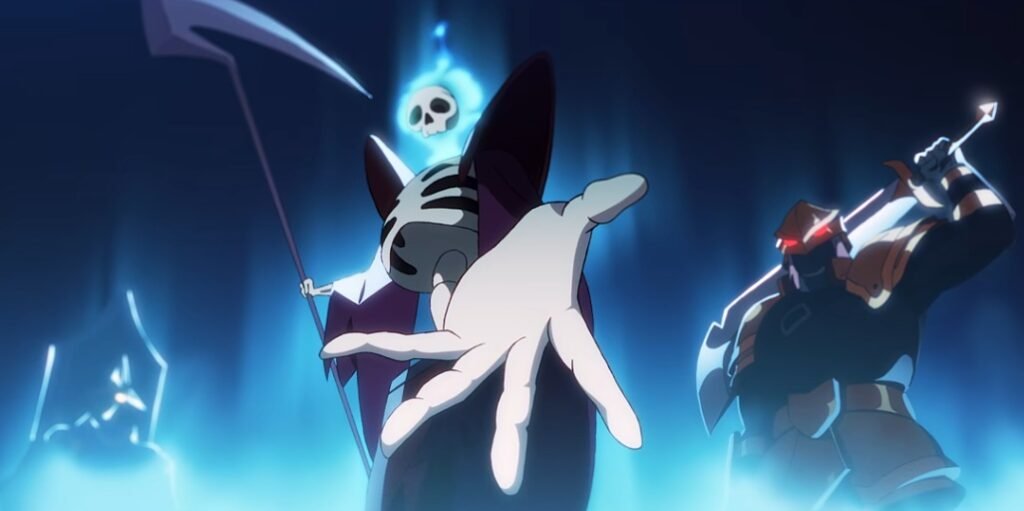
Somewhere along the way, deckbuilders became the roguelite genre’s most reliable overachievers. That’s not to say they’re the biggest roguelites around. Hades and The Binding of Isaac arguably redefined their respective genres, while Vampire Survivors practically consumed Steam for an entire year.
But when you start looking at which roguelite subgenre consistently produces hit after hit after hit, deckbuilders suddenly become very difficult to ignore.
Which raises an interesting question…
Why do deckbuilders keep succeeding when so many other roguelite trends come and go, and is there another subgenre producing hits at the same rate?
Why Deckbuilders Dominate the Genre
On paper, deckbuilders sound like a terrible pitch. You play cards, fight monsters, and repeat the process hundreds of times.
Compared to the instant appeal of hacking through enemies in Hades or filling the screen with projectiles in Vampire Survivors, card-based combat feels like the kind of idea that should have remained a niche curiosity.
Instead, it somehow became one of the genre’s most dependable hit factories.
Slay the Spire didn’t just succeed. It practically created the modern roguelite deckbuilder blueprint. Even years after release, developers are still borrowing ideas from its card synergies, relic systems, and branching map design.
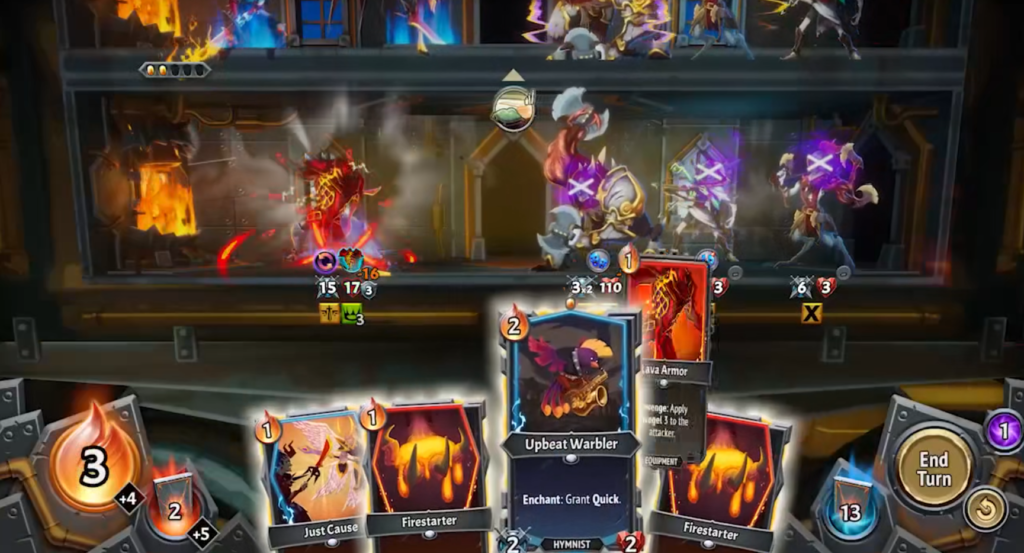
Monster Train proved the formula wasn’t a one-hit wonder. By turning battles into multi-floor defensive puzzles, it found its own identity while attracting a huge audience of players looking for something deeper.
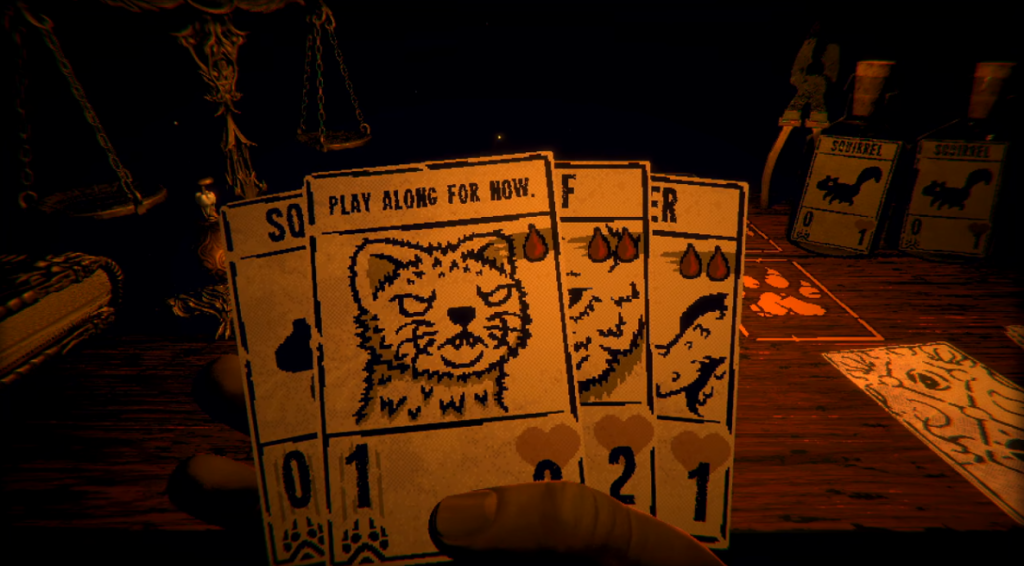
Then came games like Across the Obelisk, which brought multiplayer into the equation, Wildfrost with its deceptively brutal combat, and Inscryption, a game so creative that people still argue about whether it was a deckbuilder, horror game, escape room, or all three at once.
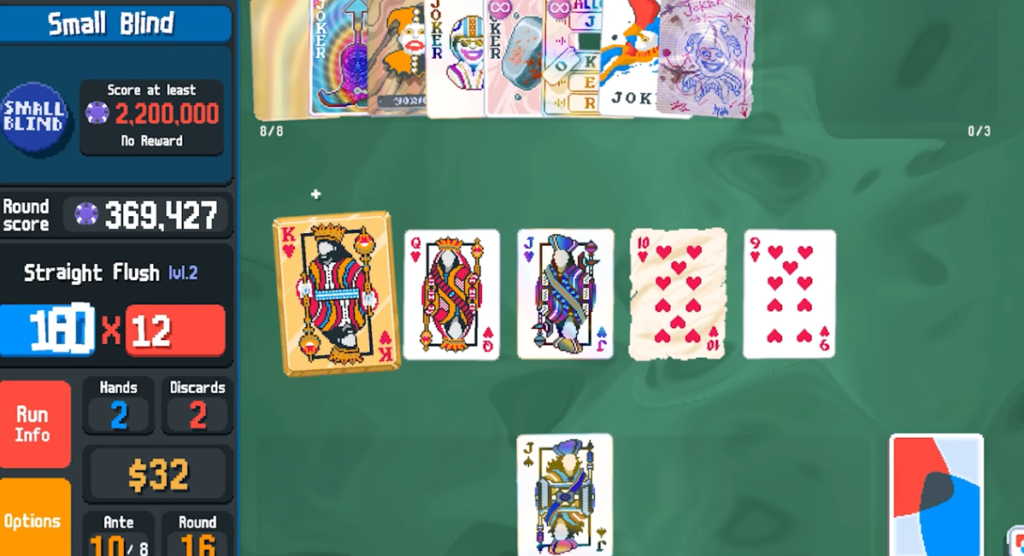
And then Balatro arrived. A roguelite built around poker sounds like the sort of idea that gets laughed out of a pitch meeting. Instead, it became one of the biggest indie success stories in recent memory and introduced millions of players to the genre.
At a certain point, you have to admit these games just work. So let’s take a look at why…
Endless Replayability Is Built into the Formula
The biggest advantage deckbuilders have over many other roguelites is that replayability isn’t something developers have to force into the game. It’s already baked into the design.
Every run starts with a different set of choices. Different cards appear, different relics drop, different combinations emerge.
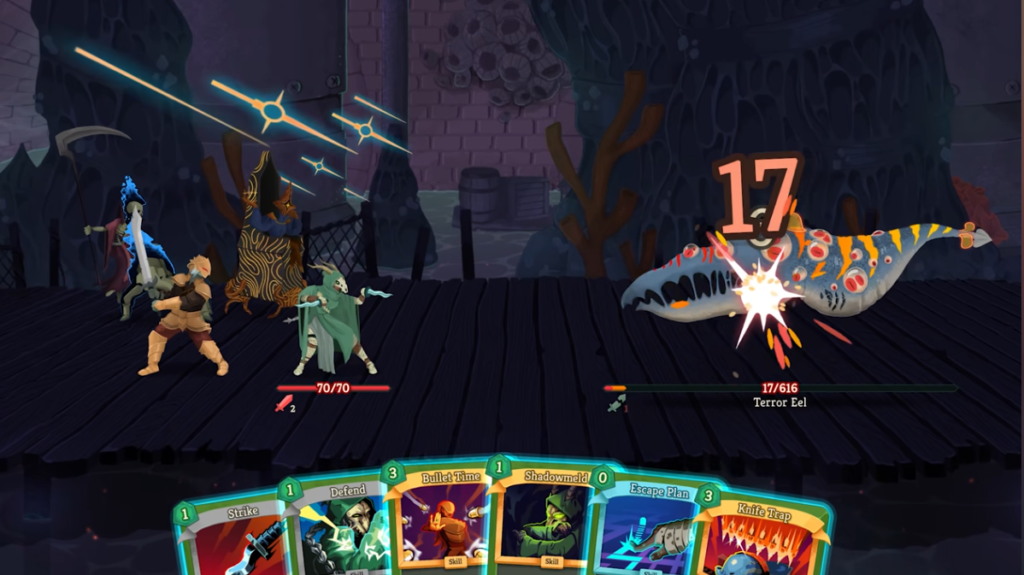
The result is a genre built around experimentation. Players aren’t simply trying to survive, they’re trying to discover the next ridiculous combination that completely breaks the game’s systems. That’s a powerful hook.
One run could revolve around generating endless energy, while the next might focus on stacking poison, duplicating cards, or triggering dozens of effects from a single turn. Even after hundreds of hours, there’s usually another build waiting to be discovered.
They’re Perfect For Streamers And Content Creators
Deckbuilders also have something many roguelites struggle with. They’re incredibly easy to watch. A viewer can jump into a stream halfway through a run and immediately understand what’s happening. They can see the cards, understand the strategy, and start suggesting combinations from chat.
That creates discussion. Viewers debate card choices, they argue over relics and they backseat-build entire runs.
Games like Slay the Spire and Balatro have generated thousands of hours of YouTube videos, Twitch streams, challenge runs, tier lists, and strategy guides, because every decision creates an opportunity for conversation.
Not every roguelite can do that.
Watching somebody dodge bullets for an hour can be entertaining, but watching somebody accidentally create an absurdly overpowered deck often becomes unforgettable.
Success Creates Saturation
Of course, there’s another reason deckbuilders keep appearing everywhere. Compared to many other roguelite subgenres, they’re relatively accessible to make.
Most deckbuilders don’t require massive 3D worlds, complex physics systems, or intricate combat animations. At their core, they’re often closer to digital board games than traditional action games.
That makes them an attractive option for smaller teams and solo developers looking to enter the roguelite space.
The result has been an explosion of releases. By 2024, Steam was home to more than 860 roguelike deckbuilders, a number that would have sounded absurd just a few years earlier. Fastforward to today and there are 6,304 deckbuilder games tagged in Steam search.
Not all of them succeed, obviously. But when hundreds upon hundreds of developers keep choosing the same formula, it’s usually because the formula works.
And right now, few roguelite formulas have a better track record than deckbuilding.
So Are Deckbuilders Actually The Roguelite Genre’s Biggest Hit Makers?
If there’s one genre that can challenge deckbuilders for the crown, it’s action roguelites.
After all, this is the category that gave us The Binding of Isaac, Hades, Dead Cells, Risk of Rain, Enter the Gungeon, and Rogue Legacy. These aren’t just successful roguelites. They’re some of the most important games the genre has ever produced.
The argument for action roguelites is simple. Their biggest successes are arguably bigger than the biggest deckbuilders.
More players have probably heard of Hades than Slay the Spire. Dead Cells became a mainstream indie success story. The Binding of Isaac helped define what modern roguelites would eventually become.
That’s a serious resume. And then there are bullet heavens…
Before Vampire Survivors exploded in popularity, most people probably wouldn’t have considered auto-attacking horde survival games a major force within the roguelite space. Then an indie game that cost less than a takeaway dinner completely changed the conversation.
Suddenly everyone was making survivor-likes. Brotato arrived. Halls of Torment arrived. Soulstone Survivors arrived. Deep Rock Galactic: Survivor arrived.
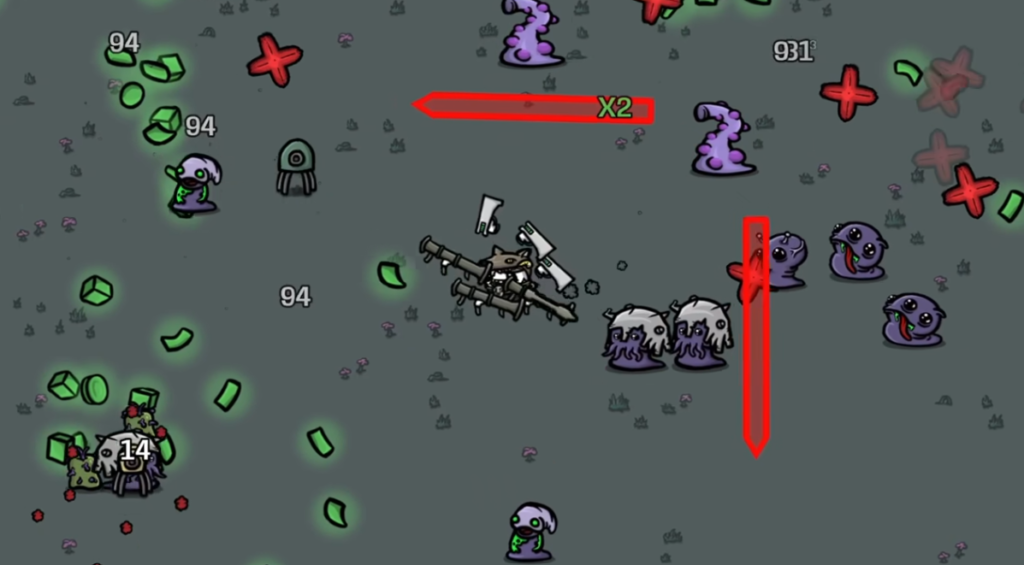
For a few years, it felt like bullet heavens were producing hits at an almost absurd rate. The difference is that action roguelites and bullet heavens tend to produce waves.
A handful of breakout successes arrive, everybody rushes to follow them, and eventually the market starts looking for the next trend.
Deckbuilders have been different.
They’ve spent more than a decade producing successful games without ever really disappearing from the conversation. One year it’s Slay the Spire. The next it’s Monster Train, then Inscryption, Wildfrost, Balatro… You get the idea.
So are deckbuilders the roguelite genre’s biggest hit makers? It really depends on whether you value peak success or consistency.
If we’re talking about the single biggest blockbusters, action roguelites probably still have the edge. But, if we’re talking about which subgenre has produced hit after hit after hit for the longest period of time, deckbuilders have a very strong case.
What’s remarkable is that they did it with cards, not cutting-edge graphics or cinematic storytelling. There was no massive development budget. Just Cards.
Ten years ago that would have sounded ridiculous. Today, it sounds like one of the safest bets in all of roguelites.