

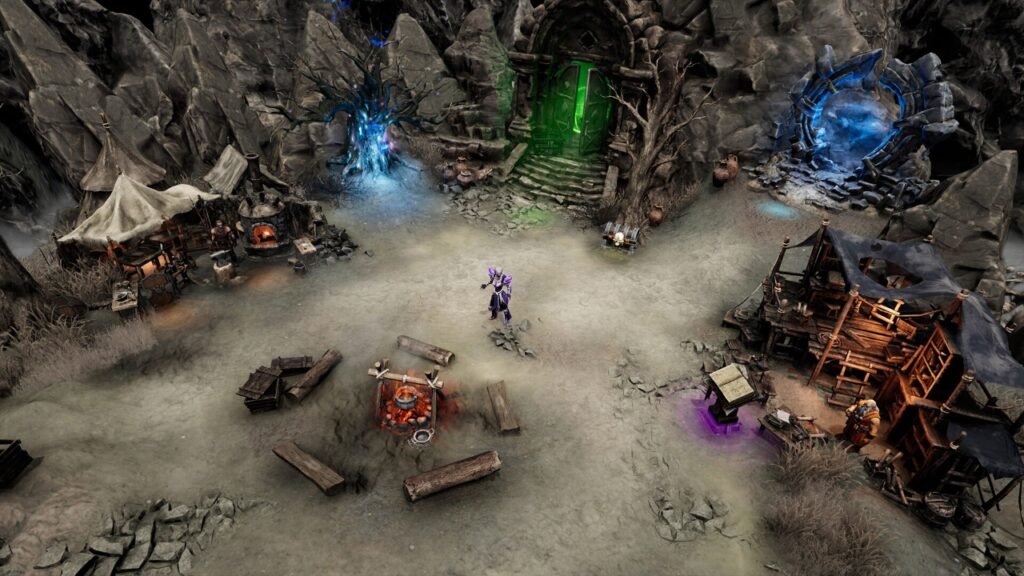
If you’ve spent any time browsing Steam recently, you may have noticed there’s one word appearing alongside roguelikes and roguelites more than ever before…Extraction.
Not long ago, extraction mechanics were mostly associated with multiplayer shooters. Today, they’re appearing upcoming roguelites such as Hellforged, and a growing number of indie releases, with more developers putting their own spin on the formula.
It’s an interesting shift because extraction mechanics feel surprisingly well suited to rogue games. They take the genre’s familiar risk-and-reward formula and raise the stakes even higher, giving players one more difficult decision to make before every run comes to an end.
So how are extraction roguelites different and why are we seeing them so frequently? Let’s explore the sudden boom in this popular genre.
What Makes an Extraction Roguelite Different?
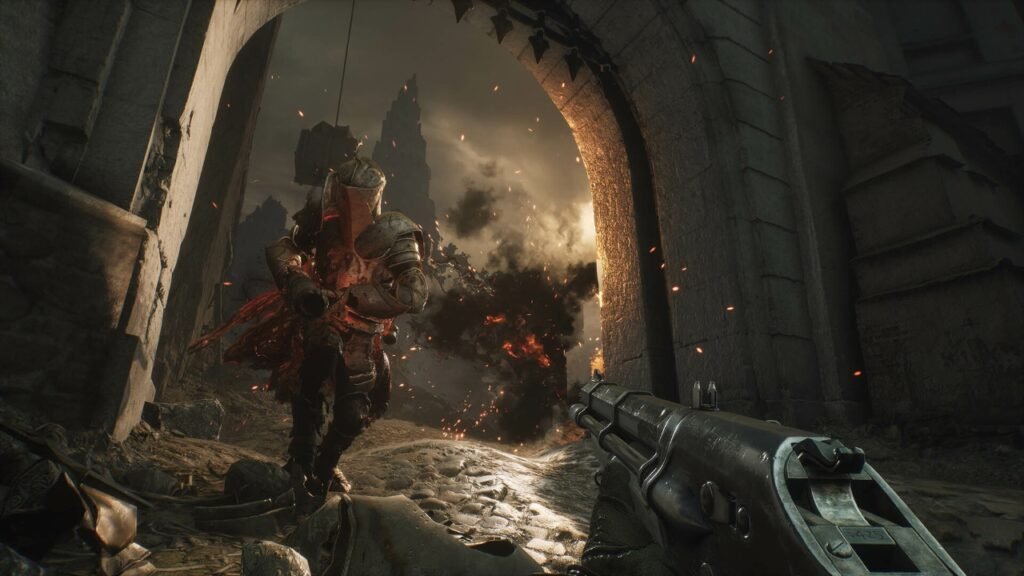
Most roguelites ask how far can you make it before everything falls apart? Extraction constantly tempt you with an escape route. Do you bank everything you’ve collected and head home, or do you push your luck in search of one more weapon, one more upgrade, or one more valuable resource? That’s where the tension comes from.
Games like Witchfire, (which I know there’s a whole argument as to whether it does or doesn’t have roguelite elements), regularly force players to weigh the value of the loot they’re carrying against the growing danger around them. Hellforged on the other hand, builds much of its progression around deciding when it’s finally time to leave.
Suddenly, survival isn’t the only goal, knowing when to walk away becomes just as important.
It’s a surprisingly simple twist on the roguelite formula, but one that changes almost every decision you make.
Why So Many Developers Are Trying It
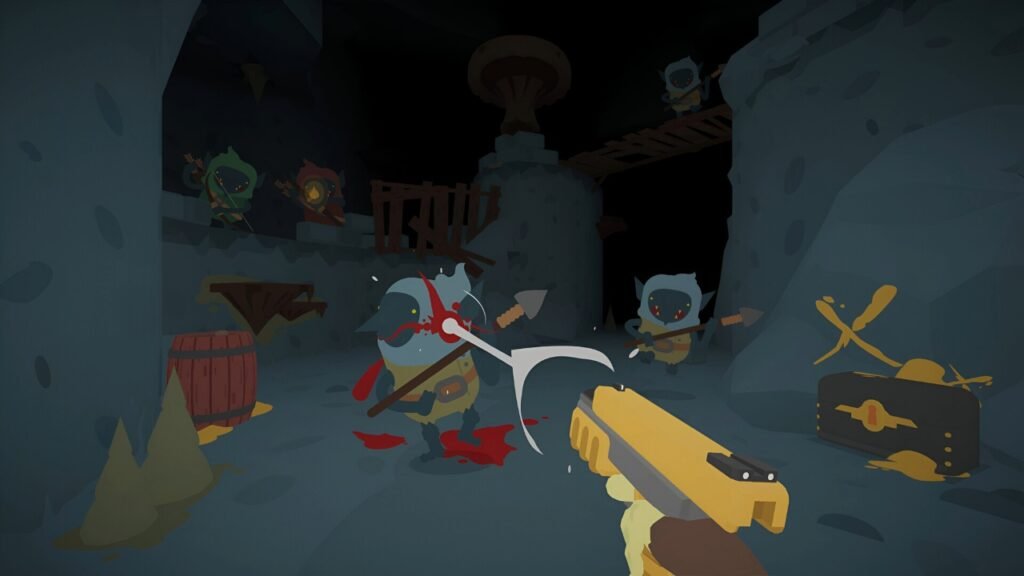
The biggest sign that extraction roguelites are more than a passing trend is the number of developers experimenting with the idea in completely different ways.
Witchfire combines extraction mechanics with a dark fantasy shooter, Sulfur leans into exploration and survival, while games like Escape the Mad Empire are proving the formula works just as well with party management and tactical combat. Even upcoming indie projects such as Hellforged are building entire experiences around that same risk-versus-reward decision.
That’s probably the most interesting part of the trend. Nobody seems interested in making the same game twice. Some developers are combining extraction with co-op, others are focusing on crafting, while plenty are experimenting with entirely different combat systems and progression loops.
When a genre starts branching out like that, it’s usually a sign the idea has real staying power. Extraction mechanics don’t feel like a gimmick anymore, they feel like another tool developers can use to make every run just a little more exciting.
Extraction Feels Like a Natural Evolution
Perhaps the biggest reason extraction mechanics have caught on so quickly is that they don’t ask roguelite fans to learn a completely new way of playing. Instead, they build on decisions the genre has always done well.
Every roguelite is built around weighing risk against reward…
Do you spend your gold now or save it?
Do you take on the elite enemy for a better relic?
Do you swap a reliable weapon for one that could completely transform your build?
Extraction mechanics simply take that philosophy and stretch it across an entire run. The difference is that every decision suddenly feels more meaningful. By the time you’ve found a rare weapon or a backpack full of valuable resources, you’re no longer thinking about how much further you can go. You’re wondering whether it’s worth risking everything for one more room.
It Looks Like Extraction Rogues Are Here to Stay
Roguelites have always been quick to embrace good ideas. Deckbuilders, bullet heavens, and auto battlers, all started as fresh takes on the genre before growing into some of its most popular subgenres. Extraction mechanics feel like they’re following a very similar path.
There’s still so much room to experiment. We’ve already seen extraction combined with shooters, action roguelites, tactical RPGs, survival games, and co-op adventures, and developers are continuing to find new ways to build around the idea.
Whether extraction roguelites become as influential as deckbuilders or bullet heavens remains to be seen. What already seems clear, though, is that this isn’t just another passing trend. Giving players one final decision before every run comes to an end has proved to be a remarkably powerful idea.