

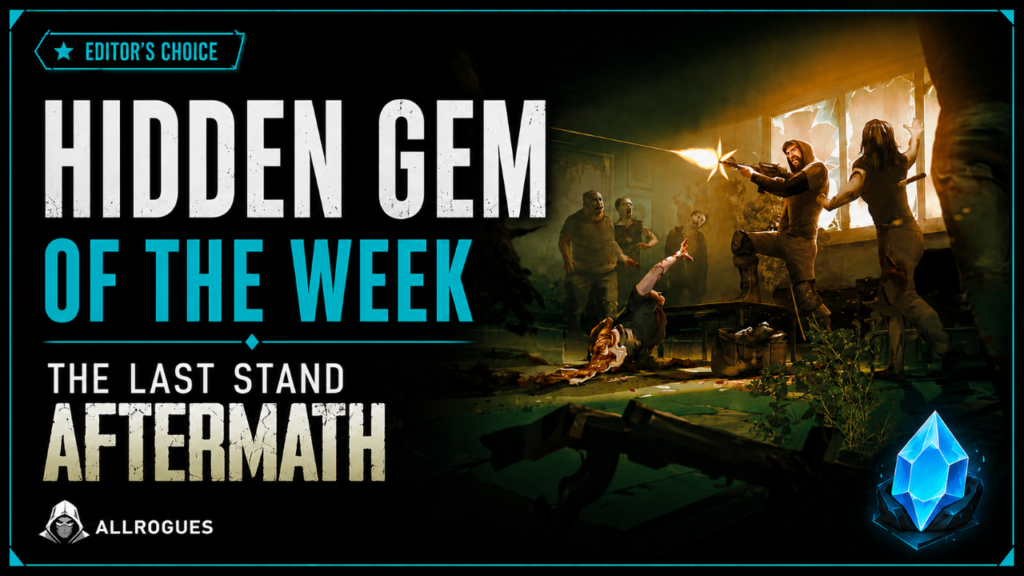
Zombie games have been around for so long that it’s often difficult for a new one to stand out. Between sprawling open-world survival games, frantic co-op shooters, and countless crafting sandboxes, it can sometimes feel as though the genre has explored every possible idea.
That’s probably one of the reasons The Last Stand: Aftermath slipped under so many players’ radar when it launched in 2021.
Which is a shame, because it isn’t trying to compete with games like Project Zomboid or State of Decay. Instead, it takes the familiar tension of surviving a zombie apocalypse and reshapes it into something that feels surprisingly well suited to the roguelite formula.
Every expedition is another desperate journey into the unknown, where every bullet, every medical supply, and every decision carries weight. The twist is that you’re already infected.
That single idea changes almost everything about how you approach the game.
Survival Was Never Meant to Be Permanent In This Hidden Gem
Most roguelites explain death as a gameplay mechanic. You fall in battle, wake up at your hub, spend your upgrades, and head back out. The Last Stand: Aftermath gives death a far more interesting role.
Every survivor you control is living on borrowed time. The infection is constantly spreading, and even if you avoid every zombie shambling through abandoned streets and derelict buildings, the virus is still slowly winning. Your goal isn’t to become an unstoppable hero, it’s to make this survivor’s final journey count before somebody else takes their place.
That creates an entirely different mindset from most zombie games. You’re not hoarding supplies for one character you’ll spend fifty hours developing. You’re making difficult decisions about what deserves to be carried forward, knowing that another survivor will eventually inherit the progress you’ve made.
Every Journey Feels Like a Risk Worth Taking
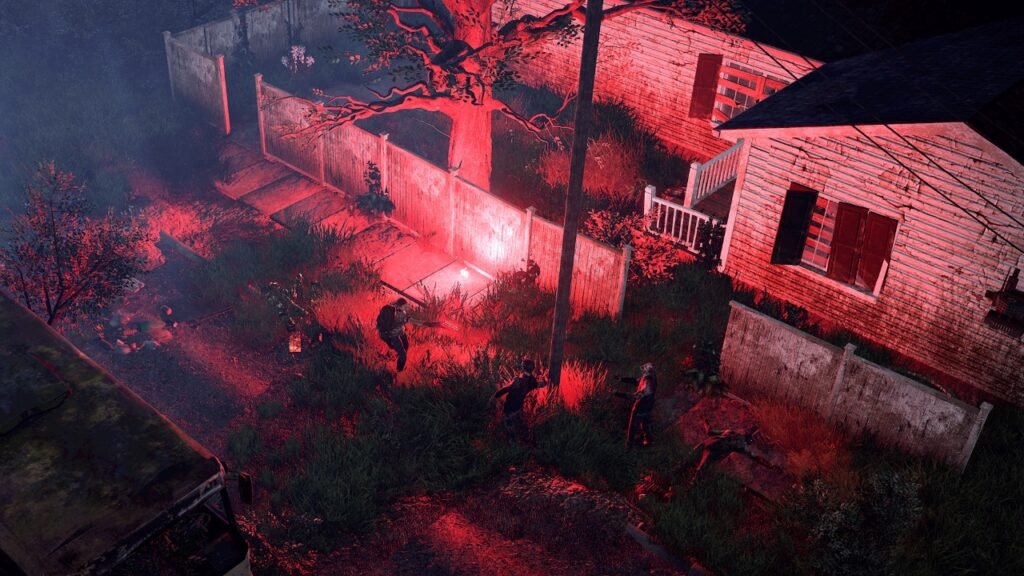
The roguelite structure fits naturally with the world Con Artist Games has built.
Venturing into abandoned towns isn’t about clearing every building or eliminating every zombie you see. Quite often, the smartest decision is to avoid a fight altogether. Ammunition is limited, weapons deteriorate, fuel is precious, and the noise from one gunshot can quickly create problems you weren’t expecting. Stealth, scavenging, crafting, and combat all have their place, and knowing when to rely on each becomes part of the challenge.
Even the mutations you develop from the infection become another interesting trade-off. They grant powerful abilities that can rescue a failing run, but leaning into them also brings you closer to the inevitable outcome waiting for every survivor.
It’s a constant balancing act between immediate survival and long-term consequences, giving the game a tension that never really disappears.
A Hidden Gem Worth Dying For
The Last Stand name carries plenty of nostalgia for players who remember the original Flash games, but Aftermath is something altogether different. Rather than simply recreating those experiences in 3D, it embraces roguelite progression and builds an atmosphere that’s slower, more deliberate, and far more oppressive than many modern zombie games.
That shift may have surprised long-time fans, while others simply overlooked it among a crowded release schedule. It also arrived before the recent surge of survival roguelites we’ve seen over the past few years. Looking back now, many of its ideas feel surprisingly ahead of their time.
If you’ve been searching for a roguelite that values tension over spectacle, and careful planning over endless firepower, The Last Stand: Aftermath is well worth digging out. It may not have become one of the biggest names in the genre, but that’s exactly what makes it such a fitting choice for our Hidden Gem of the Week.