

When Edmund McMillen released a new roguelike, comparisons to The Binding of Isaac were almost inevitable. Few games have had a greater influence on the genre, and after more than a decade, it’s still introducing new players to procedurally generated runs, outrageous item combinations, and the joy of discovering that one completely broken build.
That meant expectations for Mewgenics were always going to be unusually high. Critics praised it, players quickly pushed its Steam rating into “Overwhelmingly Positive” territory, and within a week it had sold more than one million copies. By almost any measure, that’s an outstanding launch.
Yet it still doesn’t quite feel like The Binding of Isaac all over again. That probably says less about Mewgenics than it does about what made Isaac such a difficult game to follow.
They’re Trying to Do Very Different Things
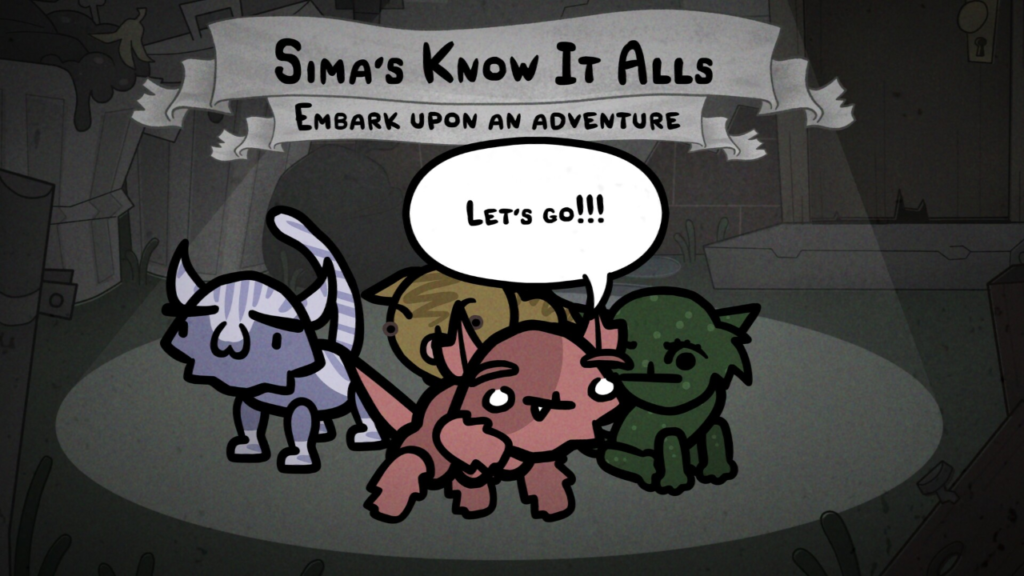
On paper, the comparison between the two games makes perfect sense. Both come from the same creator, both are roguelikes, and both embrace bizarre humour, overwhelming variety, and the kind of unpredictability that encourages players to play for hours.
Once you actually sit down with them, though, the similarities begin to fade. Sure, they have the same design effects, but with The Binding of Isaac you’re immediately thrown into the action. Within a few minutes you’re moving, shooting, collecting strange items and discovering combinations that can completely transform a run. Even if you have no idea what half those items actually do, it’s difficult not to become curious.
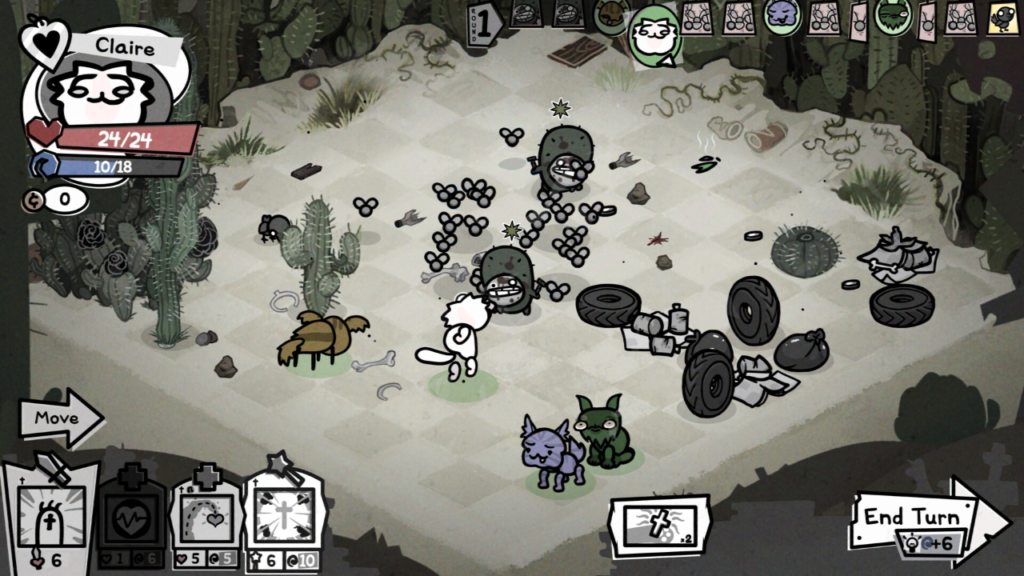
Mewgenics isn’t quite as action packed in the beginning. Between breeding cats, managing inherited traits, building a team, and navigating tactical battles, there’s far more happening beneath the surface. That depth is one of the reasons critics have praised it so highly, but it also means the game reveals itself much more gradually.
The Barrier to Entry Is Higher
One thing players seem to agree on is that Mewgenics rewards commitment. Many praise the incredible variety, tactical depth, and long-term progression, while also acknowledging that it can feel overwhelming during those opening hours. Others have pointed to its unusual humour and distinctive art style as elements that won’t appeal to everyone, even if the underlying systems are exceptional.
That’s a very different challenge to the one The Binding of Isaac faced. Isaac certainly isn’t an easy game, but its basic loop is remarkably simple to understand. Every run teaches you something almost immediately, and before long you’re uncovering new items simply because curiosity keeps pulling you into another attempt.
Mewgenics takes longer to earn that same confidence.
The Binding of Isaac Had Perfect Timing
It’s also worth remembering when The Binding of Isaac arrived. In 2011, roguelites were nowhere near as common as they are today. Randomized runs, huge item pools, and endlessly replayable progression still felt fresh to a much wider audience, and Isaac quickly became one of the games that helped define what the modern roguelite would eventually become.
Mewgenics enters a very different landscape. Players now have thousands of roguelikes and roguelites to choose from, covering everything from deckbuilders and autobattlers to bullet heavens and extraction games. Standing out is considerably harder than it was fifteen years ago, regardless of who made the game.
Players Wanted Another Isaac
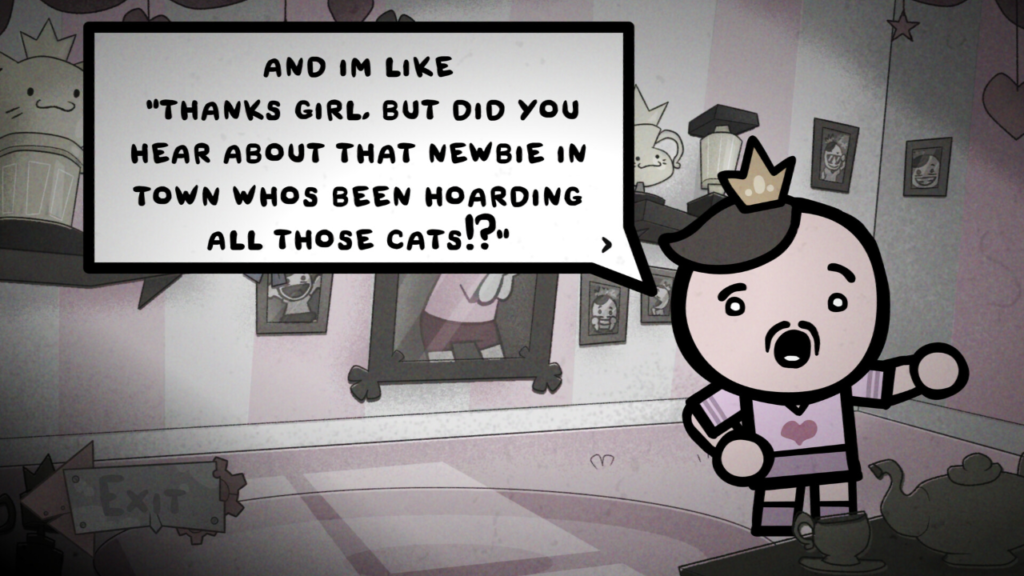
When a developer becomes closely associated with one landmark game, every future release inevitably gets measured against it. That’s happened to Supergiant since Hades, and it’s happened to Edmund McMillen ever since The Binding of Isaac.
The challenge is that Mewgenics was never trying to be another Isaac. It’s a slower, more strategic game that places as much emphasis on planning between expeditions as it does on the expeditions themselves. For players hoping for another fast-paced action roguelike, that difference can be surprising.
For those willing to embrace what it’s actually trying to do, however, that depth is precisely what makes it so compelling.
Success Doesn’t Always Look the Same
Perhaps the biggest mistake is assuming Mewgenics needed to replace The Binding of Isaac in the first place. It has already become one of 2026’s highest-rated games, sold over a million copies during its opening week, and built a community that’s clearly enthusiastic about uncovering its enormous depth.
That’s an extraordinary achievement by almost any standard.
Will it ever become quite as influential as The Binding of Isaac?
Only time will answer that. What already feels clear, though, is that Mewgenics deserves to be judged on the game it chose to become rather than the one everyone expected it to replace.
Following one of the most influential roguelikes ever made was always going to be the hardest challenge of all.