

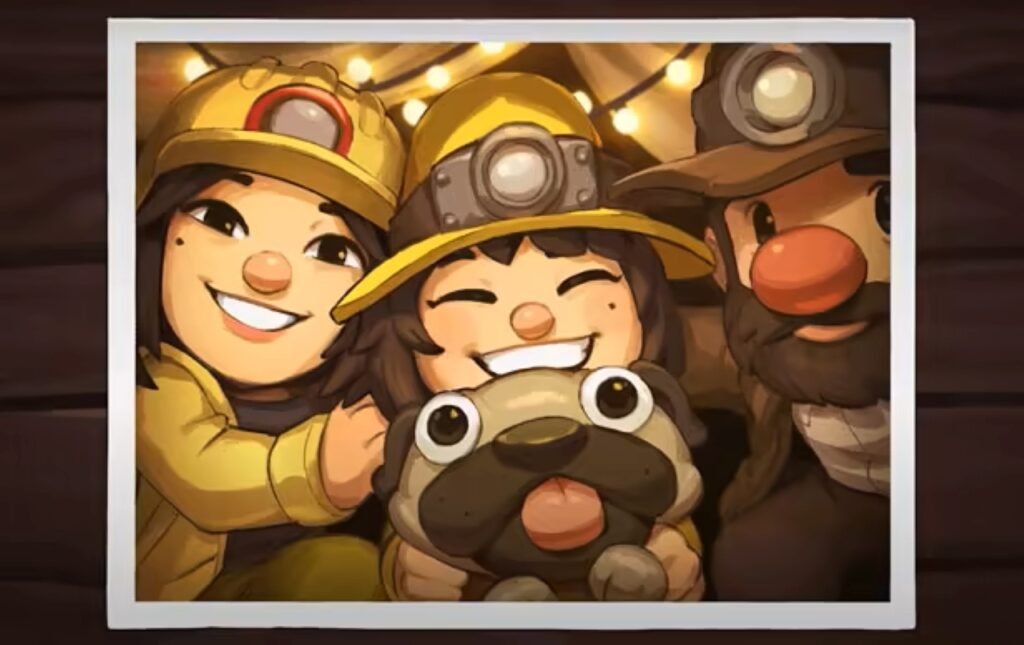
One of the biggest pleasures in a roguelike is unlocking something new. It could be a fresh character, a hidden biome, or a weapon that completely changes how the game plays. The developers behind Spelunky 2 clearly understood that feeling, but they also understood something just as important… How players earn those unlocks matters just as much as the rewards themselves.
The problem is that not every unlock feels earned for the right reasons. Some games reward curiosity, experimentation, or mastering a mechanic you hadn’t fully understood before. Others simply ask you to grind through another objective because that’s what stands between you and the content you actually want to see.
Both approaches extend a game’s lifespan, but only one makes progression feel genuinely satisfying.
That’s one of the reasons Spelunky 2’s progression stands out. Rather than filling its world with arbitrary checklists, it constantly rewards players for paying attention, taking risks, and learning how its systems fit together. It’s one of the smartest design decisions Mossmouth made, and one more roguelike developers could learn from.
The Cost of Taking the Easy Route
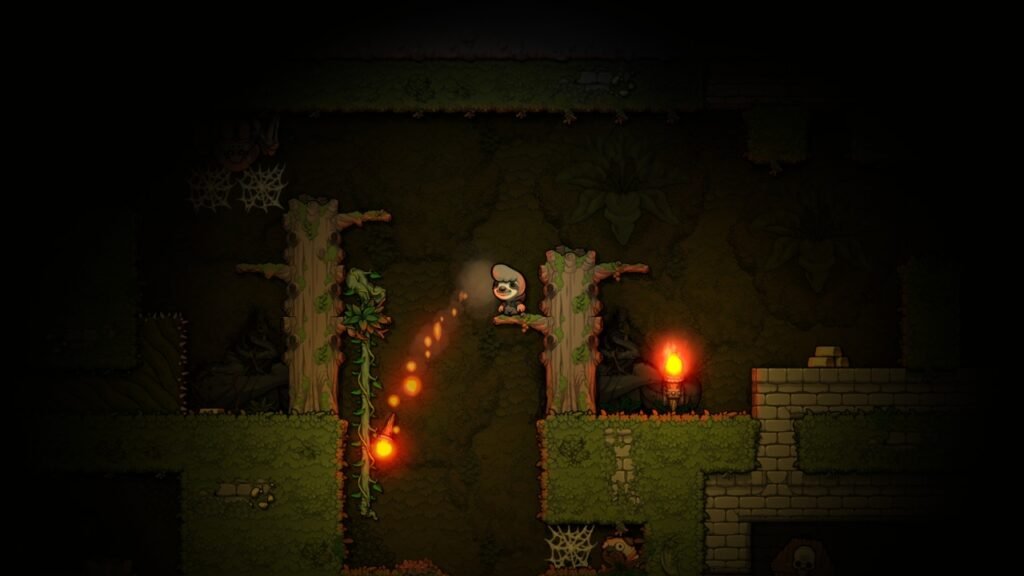
Anyone who’s spent time with Spelunky 2 will eventually meet Terra Mama Tunnel. Rather than asking players to complete a challenge or defeat a particular boss, she asks for help building permanent shortcuts to later worlds.
At first, it sounds wonderfully straightforward. Then the requests start arriving. You need a pile of gold, a stack of bombs, and eventually, a Hired Hand that somehow has to survive long enough to reach her.
None of those requests feel particularly generous when you’re in the middle of a run. Gold buys resources, bombs solve problems, and keeping a Hired Hand alive can feel like its own miniature roguelike.
That’s exactly why every shortcut feels earned. The game isn’t asking whether you’ve completed another objective. It’s asking what you’re willing to sacrifice today to make tomorrow’s run a little easier.
Some Unlocks Feel Better Than Others
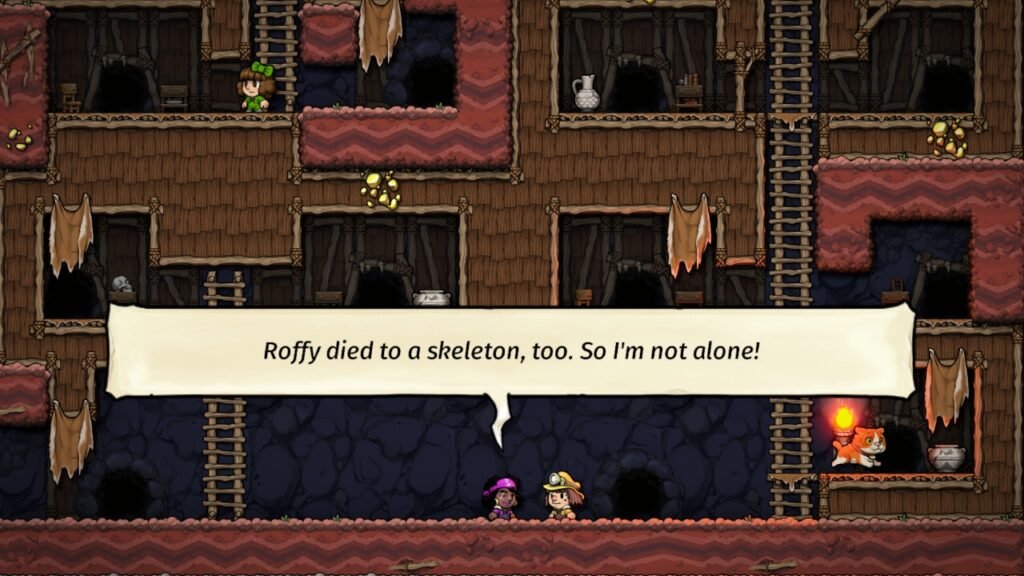
That isn’t always how progression works in roguelikes. The Binding of Isaac, for example, locks huge amounts of content behind achievements, challenge runs and character-specific objectives. Some of those unlocks naturally encourage players to experiment or improve. Others simply ask you to complete another condition before something new appears in the item pool.
There’s nothing inherently wrong with that. Isaac has remained one of the most influential roguelikes ever made for good reason. Even so, ticking another box rarely creates the same feeling as making a meaningful decision during a run.
One rewards persistence, while the other rewards judgement and those aren’t quite the same thing.
Nothing in Spelunky 2 Comes Free
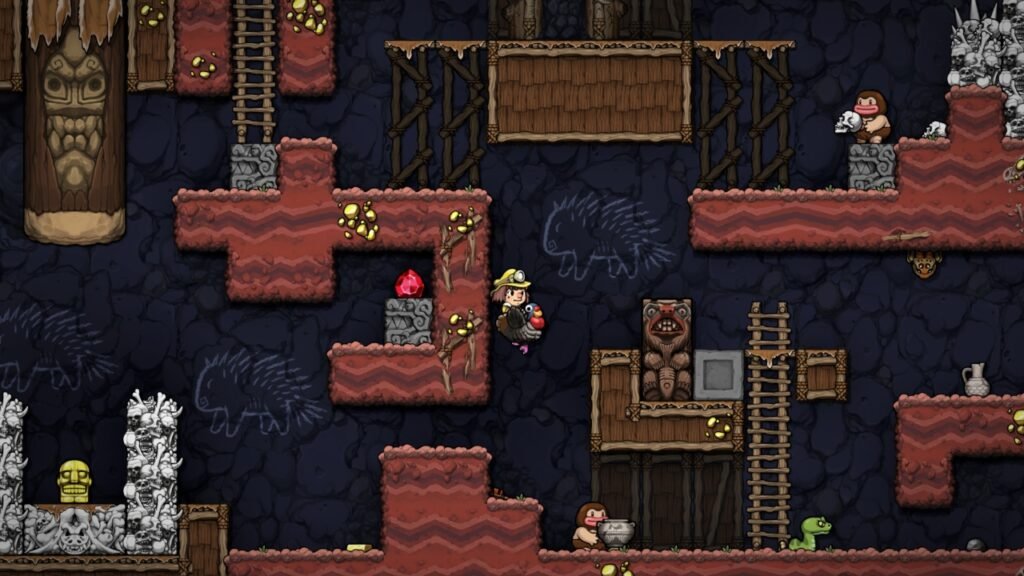
Perhaps the cleverest part of Spelunky 2’s shortcut system is that it never really feels like you’re skipping anything. Every request comes with a genuine cost.
Handing over your bombs might make the rest of the run considerably harder. Giving away your gold could mean leaving useful supplies behind. Delivering a Hired Hand safely often feels like you’re protecting the least cooperative travelling companion in videogames.
You notice the sacrifice immediately and the reward comes later.
That’s a satisfying trade because it mirrors almost everything else Spelunky 2 asks you to do. Every run is built around weighing up risk against reward, so it makes perfect sense that progression follows exactly the same philosophy.
The shortcuts don’t sit outside the game, they become part of it.
You Never Have to Take Them
The other thing I appreciate is how optional the entire system feels. Some players enjoy beginning every run from 1-1, and Spelunky 2 never tells them they’re playing the wrong way. Others would rather spend an evening learning World 5 than replaying the Dwelling for the hundredth time. The shortcut simply gives them that opportunity.
Neither approach feels more valid than the other and that’s surprisingly rare in these games.
Too often, unlock systems decide how everyone should experience a game. Spelunky 2 leaves that decision with the player instead.
Progress Should Feel Like Part of the Adventure
Now don’t get me wrong, I don’t think every roguelike needs a shortcut system. Games like The Binding of Isaac, Dead Cells and Hades all handle progression differently because they’re trying to create different experiences. That’s part of what makes the genre so enjoyable in the first place.
What Spelunky 2 demonstrates, though, is that unlocking content doesn’t always have to feel like another gate standing in your way. Sometimes it can become another meaningful choice.
Considering how much of the genre revolves around balancing risk, reward and long-term thinking, I’m surprised more roguelikes haven’t experimented with that idea.
Spelunky 2 did, and years later it still feels like one of the smartest progression systems the genre has produced.