

Mention AI-generated content in almost any creative industry and you’ll usually get one of three reactions. Some understandably want nothing at all to do with it, others can’t wait to see what it makes possible, then there’s a third group that falls somewhere in the middle. That’s where I find myself.
I don’t think AI should entirely replace artists, writers, or developers. At the same time, I also don’t think every use of AI should automatically be dismissed either. Like any technology, it depends entirely on how it’s used.
For roguelites and roguelikes, that creates an interesting question. Procedural generation has been the backbone of the genre for decades, giving us dungeons, loot, enemies, and worlds that change every time we play. But after enough hours, even the best games start revealing their patterns and the randomness begins to feel surprisingly familiar.
So, could AI become the next evolution of procedural generation? Or would it strip away the careful design that makes the genre work in the first place?
Procedural Generation Was Never Truly Infinite
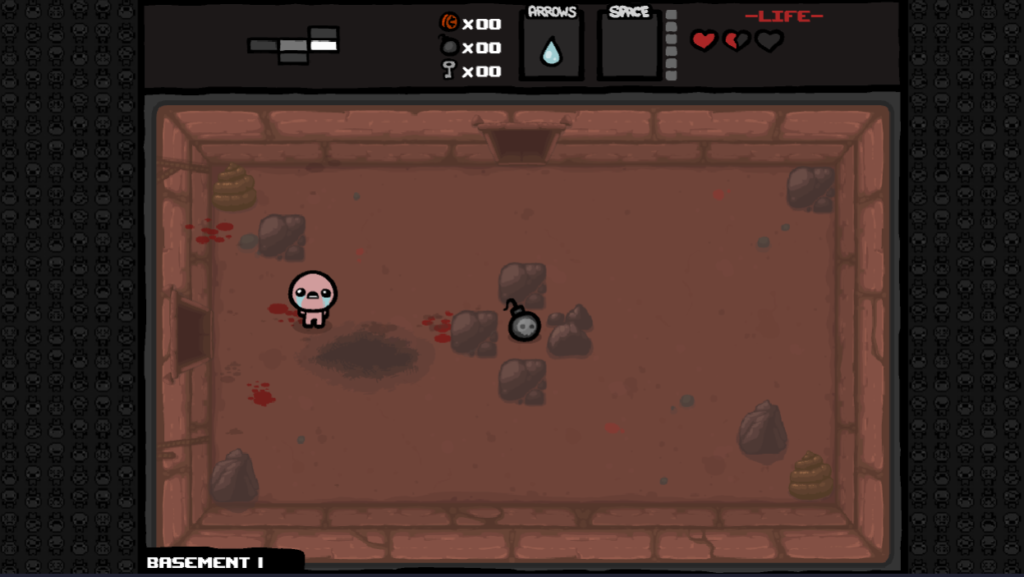
One of the biggest misconceptions about procedural generation is that it’s truly endless. Technically, every run is different. Enemy placements change, loot appears in new locations, and maps are stitched together in different ways. Yet if you’ve spent hundreds of hours with games like The Binding of Isaac, Dead Cells, or Risk of Rain 2, you’ve probably experienced the same thing I have. Eventually, you start recognizing the pieces.
That room and enemy combination? I know exactly how this plays out. That’s not a criticism of those games. It’s simply the reality of procedural generation. Most rogue games don’t create levels from scratch. Instead, they intelligently remix handcrafted rooms, encounters, and events that developers have painstakingly designed.
The result is still incredibly effective. Even after thousands of runs, The Binding of Isaac continues to surprise players thanks to its enormous item pool, while Hades constantly reshuffles rewards and Boons to encourage different builds. But the underlying building blocks remain the same.
Randomness, it turns out, isn’t quite the same thing as unpredictability.
AI Could Create Runs Nobody Has Ever Seen Before
This is where AI starts becoming genuinely interesting. Imagine a roguelite that isn’t pulling from a library of pre-built rooms but creating entirely new spaces based on your current run. Instead of selecting from a list of enemy encounters, it designs one around the build you’ve accidentally assembled.
NPCs remember unusual decisions you made three runs ago. Side objectives appear because of the way you like to play rather than because a random number generator said they should.
That’s a very different kind of procedural generation. Rather than rearranging existing pieces, AI has the potential to generate experiences that simply didn’t exist before you pressed “Start.”
The possibilities stretch well beyond level layouts. Bosses could evolve new attack patterns. Environmental storytelling could adapt to the path you’ve taken. Characters could react differently depending on your previous victories or failures. Two players could finish a run and discover they experienced entirely different worlds despite starting with the same character.
For a genre built on replayability, that’s an exciting prospect.
Great Roguelites Aren’t Random by Accident
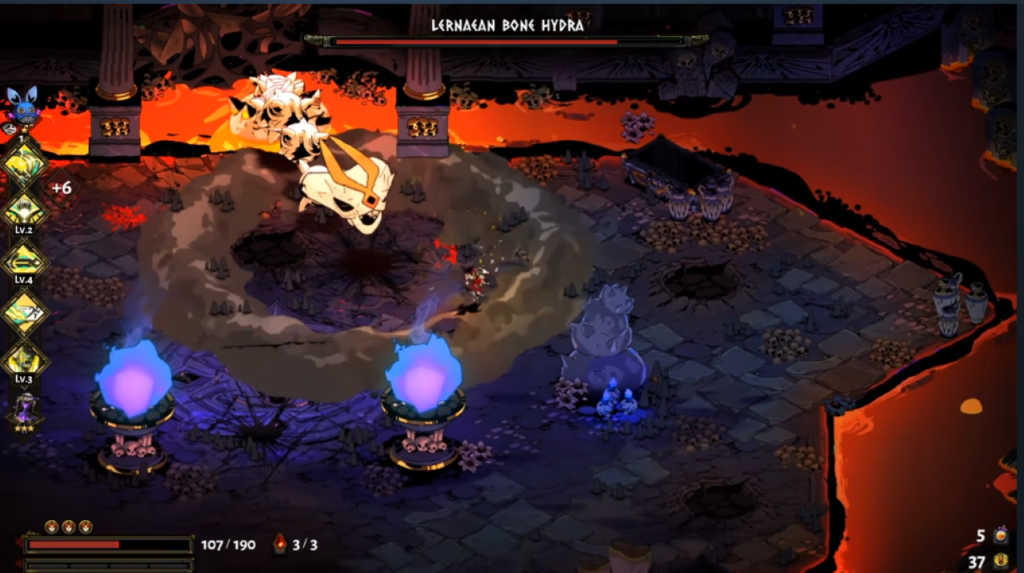
Now obviously more variety doesn’t automatically make a better game. One of the reasons Hades remains such an extraordinary roguelite isn’t because every room is different, it’s because every room feels intentional. Rewards arrive when they need to, the difficulty rises naturally, and new mechanics are introduced at a pace that teaches players without overwhelming them.
The best rogue games carefully balance tension, reward, and player choice. They know when to offer a shop instead of another combat encounter and they understand that finding the perfect item is exciting largely because it doesn’t happen every run.
Those moments are satisfying because somebody deliberately built them that way. An AI may be capable of creating an infinite number of rooms, but creating an infinite number of well-paced, memorable experiences is a far greater challenge.
Sometimes the most memorable moments in a game aren’t the result of randomness at all. They’re the result of restraint.
Roguelites and Roguelikes May Be the Perfect Place to Experiment
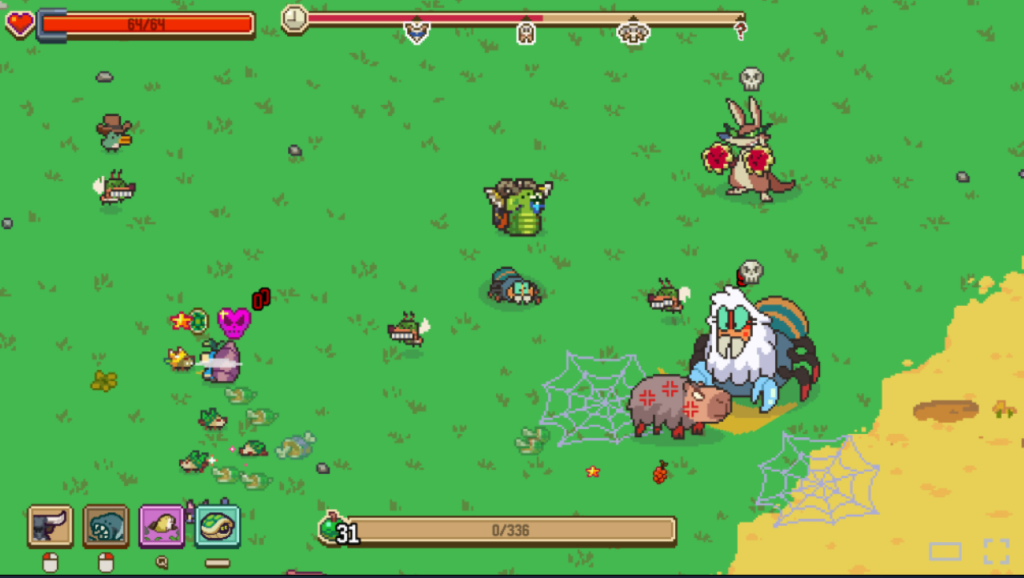
If there’s one genre that feels perfectly suited to AI experimentation, though, it’s probably this one.
Roguelite and roguelike players already expect unpredictability. We embrace failure, constantly start over, sometimes hundreds of times, knowing the next run will unfold differently. That makes the genre uniquely forgiving.
If an AI-generated encounter is slightly unusual, players are likely to treat it as part of the experience rather than a flaw. Developers can experiment with adaptive events, evolving dungeons, or dynamic quests without risking an entire forty-hour campaign falling apart because one sequence didn’t quite work.
More importantly, AI doesn’t have to take over everything. It could simply handle the parts that already rely on procedural generation while developers continue designing the bosses, progression systems, characters, and mechanics that give a rogue game its identity.
That feels like a much more realistic future than handing complete creative control over to an algorithm.
The Future Probably Isn’t Solely Human or AI
It’s easy to frame everything as a choice between human or AI. Either developers embrace it completely, or they reject it entirely. However, it’s hard to ignore the possibilities the technology brings to the rogue genre.
Think about it, procedural generation didn’t replace level designers, it gave them better tools. Instead of handcrafting every single room, they could focus on creating systems that produced interesting combinations. AI could simply become the next step in that evolution.
The best rogue games have never been defined by randomness alone. They’re remembered because carefully designed systems constantly create stories players can’t wait to tell their friends. The ridiculous build that somehow carried you through the final boss, or the impossible comeback that shouldn’t have worked and the item combination you may never see again.
If AI can help create more of those moments without sacrificing the thoughtful design behind them, it could become one of the biggest innovations the genre has seen in years.