

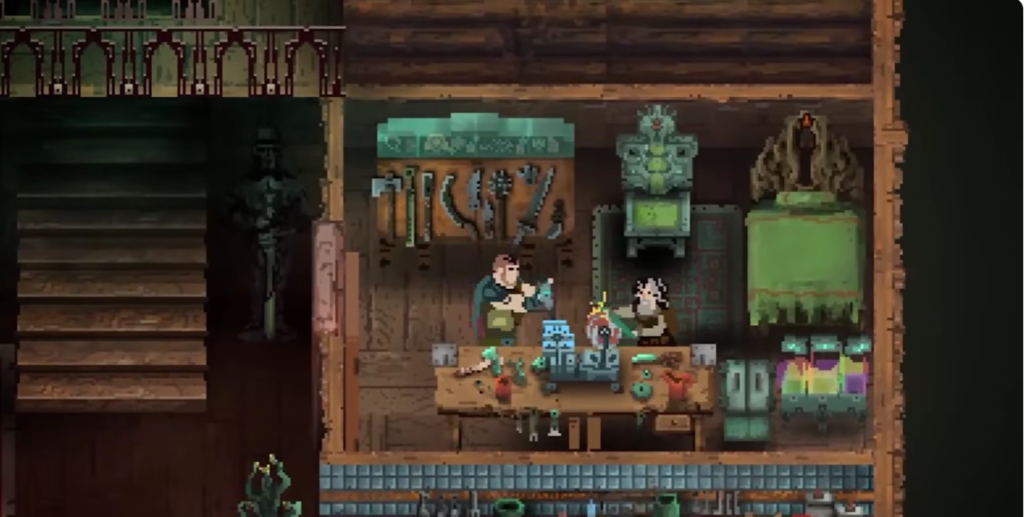
For years, there was a fairly simple way to settle the roguelike versus roguelite debate…Die. What happened next usually told you everything you needed to know.
If your next run began exactly where the last one had, you were probably playing a roguelike. If you came back with stronger stats, new weapons, or another permanent upgrade, chances were it was a roguelite.
Simple enough, except it isn’t anymore.
More and more traditional roguelikes are experimenting with permanent unlocks, account-wide progression, and rewards that survive death. Not enough to abandon the genre’s roots, but enough to make one of its oldest distinctions feel a little less certain than it used to.
That got me thinking, maybe we’ve been arguing about the wrong thing all along. Maybe meta progression was never what separated roguelikes from roguelites. Maybe, and stick with me here, what separated the two has always been what they expect from the player.
Real Progression Was Always the Player
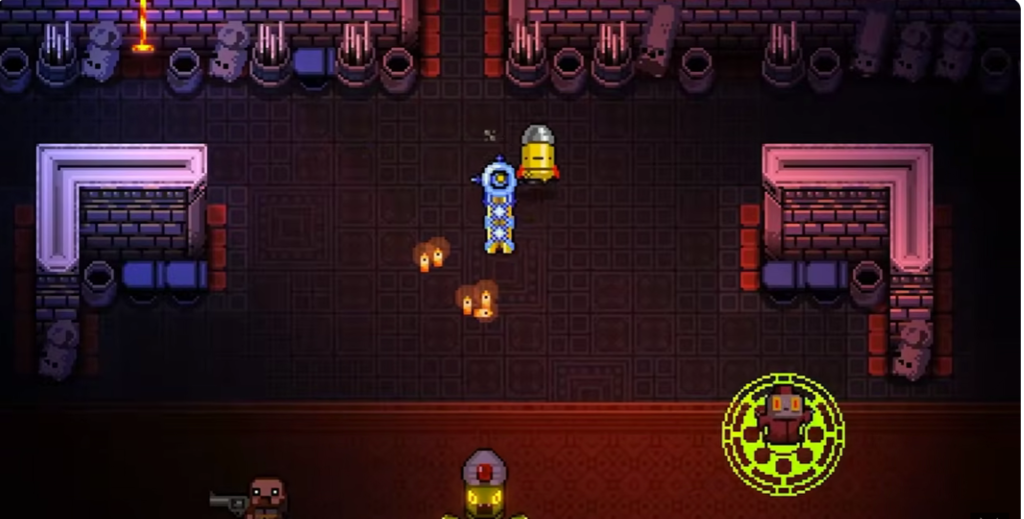
Think about the last time you finally beat a roguelike that had been giving you a hard time. Chances are, it wasn’t because your character suddenly became overpowered.
You probably spotted a boss pattern you’d been missing. Maybe you discovered an item combination that completely changed the way you approached a run. Or perhaps you stopped taking fights you didn’t need to take, or learned which enemies deserved your attention first. Whatever the breakthrough was, it almost certainly wasn’t sitting in your inventory.
It was sitting behind the keyboard.
Every failed run leaves you with something, even if your character loses absolutely everything. Knowledge becomes its own progression system. You learn the enemies, the maps, the items, the risks worth taking and the mistakes worth avoiding. Unlike a permanent upgrade, nobody can take that away from you.
That’s why finally reaching the end of a difficult roguelike feels so satisfying. The game didn’t slowly solve the problem on your behalf, you did.
So Why Did Meta Progression Become So Popular?
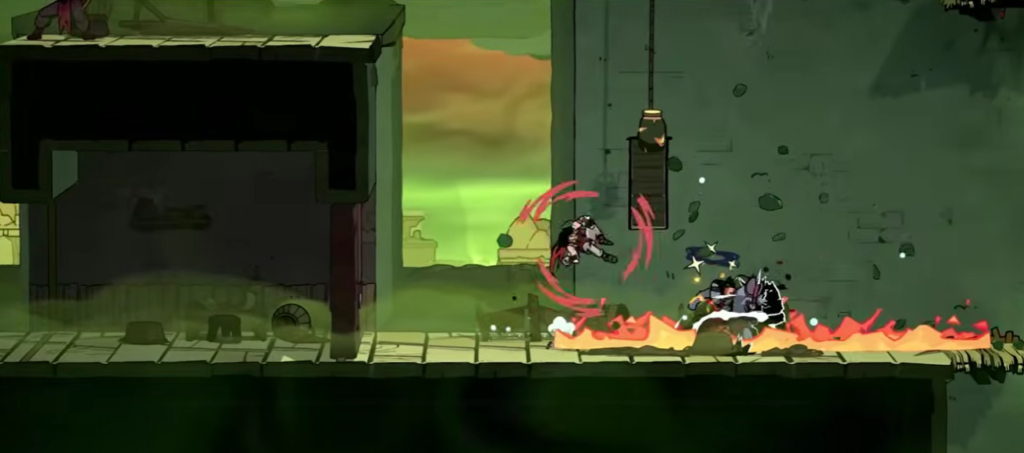
This is the part where people usually assume meta progression exists to make roguelikes easier. I’m not convinced that’s true.
If players simply wanted easier games, then Hades, Dead Cells, Slay the Spire, and countless other roguelites probably wouldn’t spend so much time punishing bad decisions. Permanent upgrades can smooth out the opening hours, but they rarely replace the need to actually understand the game.
You still have to learn attack patterns, build intelligently, and make good decisions when the run starts falling apart.
So, what changed?
I don’t think meta progression replaced player progression, I think it just changed what failure looked like.
Before, a failed run usually ended with nothing more tangible than another lesson. Modern roguelites often send you back with something else too. A new weapon, another character, fresh dialogue, or a permanent objective waiting back at base. Something that makes defeat feel like another step forward.
The player never stopped improving, roguelites simply found a way for the character to improve alongside them.
Not All Meta Progression Is Trying to Do the Same Job
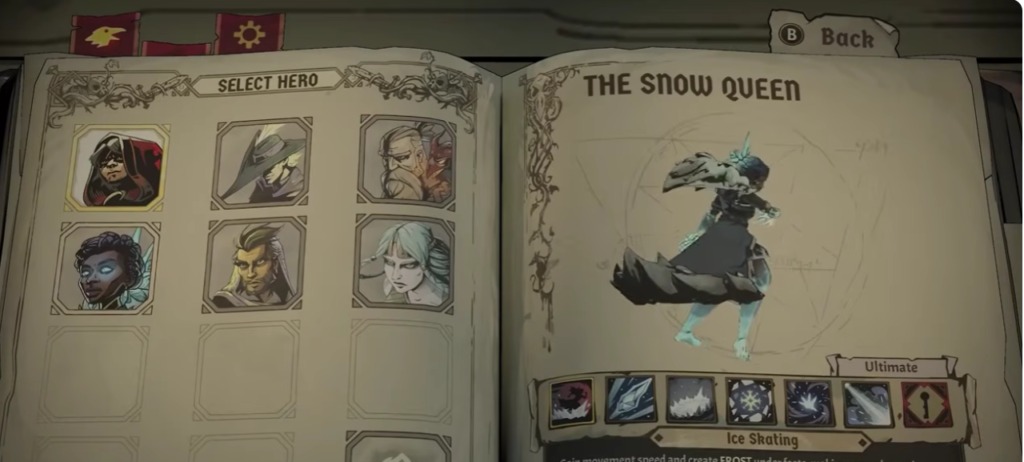
Here’s where I think the conversation usually goes off the rails. People talk about “meta progression” as though it’s a single idea, but it isn’t.
Giving players permanent stat upgrades fundamentally changes the relationship between them and the game. Every failed run nudges the character a little closer to success, meaning persistence can eventually make up for a lack of mastery.
Unlocking a new character isn’t doing that. Neither is earning another starting class, discovering a hidden challenge mode, unlocking an alternative ending, or collecting cosmetic rewards that simply celebrate the time you’ve invested.
Those systems aren’t making the next run easier. They’re just giving you more ways to experience the game. That’s an important distinction, because we tend to lump all of those systems together under the same label.
Some forms of meta progression reduce difficulty, while others simply expand possibility. They’re both progression systems, but they’re solving completely different problems.
The Question Isn’t What Carries Over
Which brings me back to the question I can’t quite shake. Imagine a traditional roguelike that unlocks a handful of new character classes after completing difficult achievements.
Every class has different strengths and weaknesses, but none of them are objectively stronger than the others.
Has that game suddenly become a roguelite?
I don’t think so. Yes, the save file remembers something it didn’t before, but the game is still asking exactly the same thing from the player. Learn the systems, adapt to whatever the run throws at you. Improve because you understand the game better, not because the numbers quietly shifted in your favour.
That’s why I’m starting to think we’ve been measuring the wrong thing. Instead of asking what carries over between runs, maybe we should be asking what the game actually expects to improve.
Because if victory still depends primarily on player knowledge rather than accumulated power, has the philosophy of the game really changed at all?
Maybe We’ve Been Defining the Genre Backwards
The more I think about it, the stranger this whole debate becomes. No other genre seems quite so eager to define itself by a single progression system.
We don’t describe Soulslikes by the fact they let you level up after death. We don’t define RPGs by experience bars, and we don’t separate metroidvanias based on which abilities stay unlocked forever.
Those mechanics matter, of course they do, but nobody would argue they’re the thing the genre is fundamentally about.
Yet whenever roguelikes and roguelites come up, meta progression somehow ends up dominating the conversation.
Maybe that’s because it’s easy to point at. A permanent upgrade is obvious, so is a bigger health bar or another point in a skill tree.
What’s much harder to measure is the thing that’s been happening inside the player for the last twenty hours. The gradual confidence, better decisions, and the moments where instinct starts to replace hesitation.
Meta progression can absolutely change the experience. Sometimes it makes a game more approachable, while others it creates stronger long-term goals. Sometimes it genuinely does make future runs easier.
But I don’t think that’s what defines a roguelike. The most important thing any great roguelike has ever carried between runs wasn’t another weapon, upgrade, or point in a skill tree. It was always the player.