
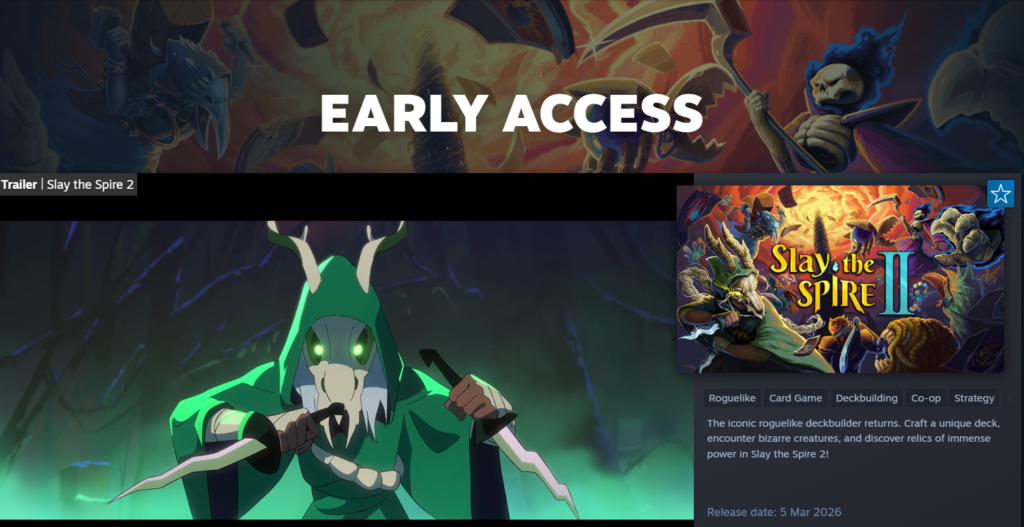
If you spend enough time following upcoming rogue games, you’ll notice a pattern. The games that generate the most excitement rarely arrive as finished products.
Instead, they launch into Early Access with ambitious roadmaps, regular updates, and the promise that what’s available today is only the beginning. For some players, that’s exactly what makes them so appealing. They enjoy watching a game grow over months or even years, seeing new characters, mechanics, and balance changes arrive with every major patch. Others won’t even consider buying in until version 1.0 lands, preferring to experience everything the developers intended in one polished package.
Neither approach is wrong, and that’s what makes Early Access such an interesting part of the roguelike genre. It’s changed how games are developed, how communities form around them, and even what players expect when they click that buy button. But does jumping in early make for the better experience, or is patience still the smartest way to play? Let’s explore the Early Access debate from both sides.
Why So Many Players Jump In Early
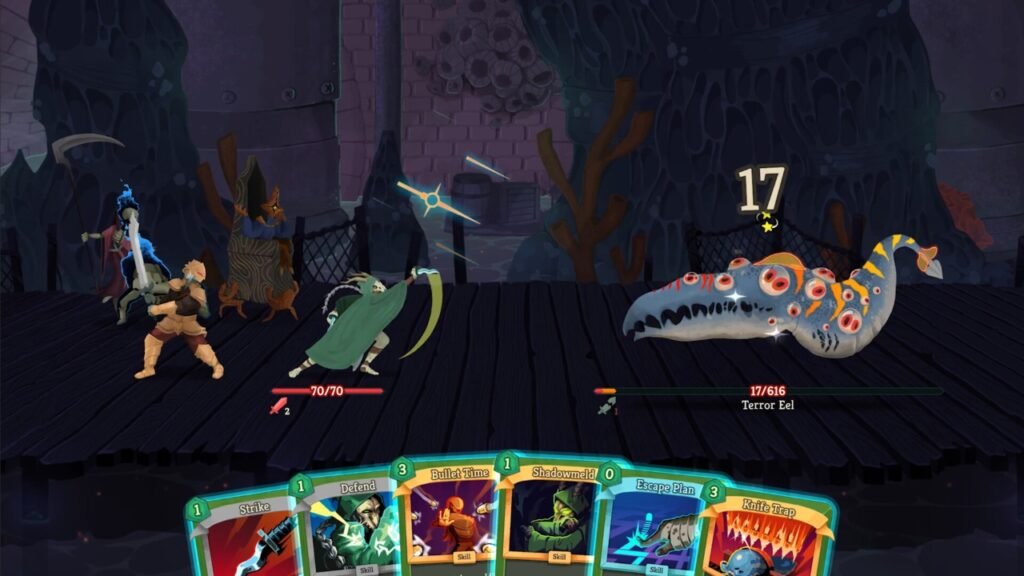
Nobody buys an Early Access game because they want bugs, missing features, or placeholder artwork. They buy it because they can already see the potential.
Some of the biggest roguelikes and roguelites around today earned loyal communities long before they reached version 1.0. Hades is just one example and perhaps it wouldn’t be the game it is today if it hadn’t first gone through Early Access. Players didn’t simply watch those games grow from a distance. They experienced every new character, every reworked mechanic, every major balance patch, and every surprise update as they happened. For many, those changes weren’t interruptions to the experience, they were the experience.
There’s something genuinely satisfying about growing alongside a game. You learn its systems before everyone else, celebrate major updates when they arrive, and sometimes even recognize ideas that only exist because the community spoke up during development. It can feel less like buying a finished game and more like being part of its story.
There’s also the price to consider. Many Early Access games launch at a lower cost before increasing in price at version 1.0. If you’re already confident it’s a game you’ll spend dozens or even hundreds of hours with, getting in early can feel like excellent value.
Why Waiting Can Be Worth It
Then again, there’s a reason plenty of players skip Early Access entirely. Roguelikes and Roguelites are built around discovery. Learning how different relics combine, uncovering hidden mechanics, unlocking new characters, and finally overcoming a boss that’s been standing in your way are some of the genre’s most rewarding moments. The first time you experience those things is often the most memorable, and once it’s gone, you don’t get it back.
Spending thirty or forty hours with an Early Access build doesn’t stop version 1.0 from being better. It simply means the sense of discovery won’t be quite the same.
There’s also the unpredictable nature of development itself. Saves can disappear after major updates. Favorite mechanics can be completely redesigned. Entire progression systems can change overnight. Most Early Access games eventually reach the finish line, but some spend years there, while others never quite get there at all.
Perhaps the biggest reason players wait, though, is something that’s surprisingly easy to overlook, and that’s burnout. It’s entirely possible to fall in love with an Early Access roguelike, play it through every major update, and eventually realize you’ve had your fill before version 1.0 even arrives. The finished game might be bigger, better, and more polished than ever, but you’ve already scratched the itch it was meant to satisfy.
The Developer’s Balancing Act
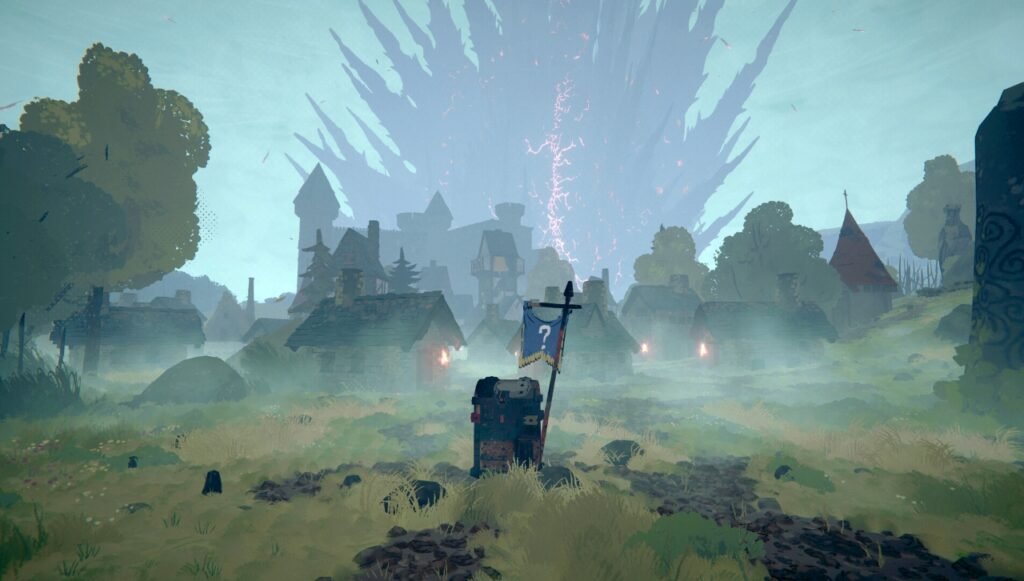
Early Access isn’t only a commitment for players. It’s a huge commitment for developers too. Launching early gives studios access to something they simply can’t recreate internally, and that’s thousands of players experimenting in ways no testing team ever could. It’s why developers like Motion Twin, the team behind Dead Cells, had always planned to release Windswept into Early Access. Bugs appear faster, balance problems become obvious, and community feedback often shapes features that improve the finished game. For smaller indie teams, Early Access can also provide the financial support needed to keep development moving.
However, opening the doors early also means players expect to see progress. Regular updates, clear communication, roadmaps, and transparency quickly become part of the job. Every patch is discussed, every delay is questioned, and first impressions can stick around for far longer than anyone expects. A rocky Early Access launch can influence Steam reviews for months, even if the game eventually becomes a big hit.
That’s why the best Early Access launches don’t feel like unfinished games. They feel like an almost fully polished product, with developers and players working toward the same goal to improve it over time.
So, Which Side Are You On?
Like most discussions in gaming, there isn’t a single right answer here. Some players love watching games evolve, sharing feedback, and returning every few months to see what’s changed. Others would rather wait until every planned feature has been added before diving in for that all-important first playthrough.
Maybe that’s why Early Access fits the roguelike genre so well. These are already games built around learning, adapting, experimenting, and improving one run at a time. In a strange way, Early Access follows that same philosophy.
Whether you jump in on day one or wait patiently for version 1.0, the destination is usually the same. The only difference is whether you’d rather be there while the adventure is still being written, or experience it once the final page has been turned.