
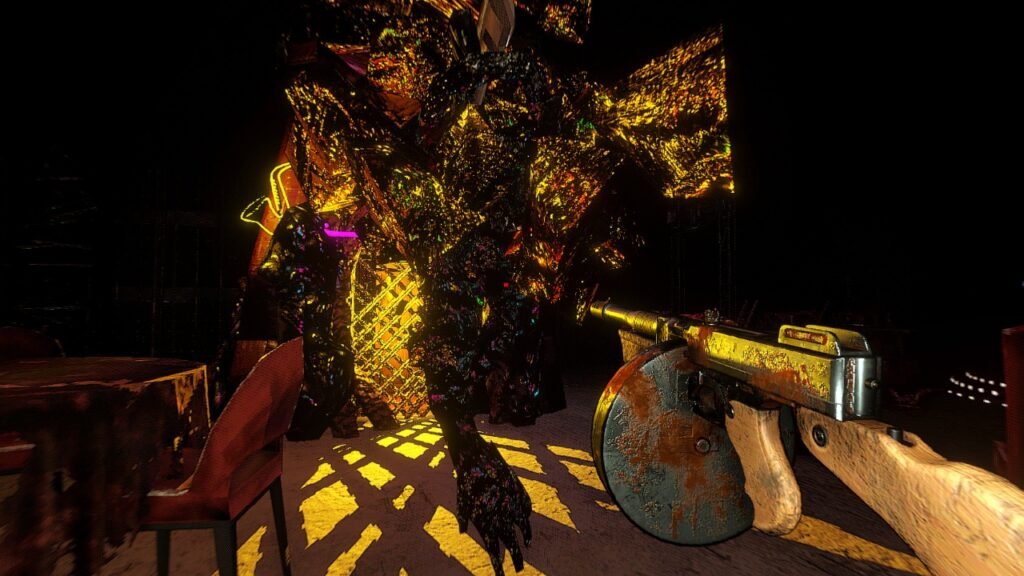
There’s nothing quite like the sinking feeling of entering a room you’ve never seen before, hearing something moving around in the darkness, and realizing you’ve brought nowhere near enough ammunition to deal with whatever’s waiting for you. Turning around may be the sensible option, but there’s a chance that room contains the supplies you’ve been desperately searching for.
Horror games have always enjoyed making players feel helpless and on edge, while rogue games have spent decades teaching us that death can come from just about anywhere. Combine the two, and you’ve got a nasty arrangement where every expedition brings new dangers, resources are never quite plentiful enough, and one terrible decision can cost you everything.
Games like World of Horror, Returnal, and Inscryption have found their own ways to exploit that uncertainty, turning repeated deaths into something far more unsettling than an ordinary end to a game. With Halloween approaching, we’re exploring why horror and rogue games work so well together, and why we keep returning to games that seem to take such enormous pleasure in killing us.
Permadeath Makes Every Monster More Frightening
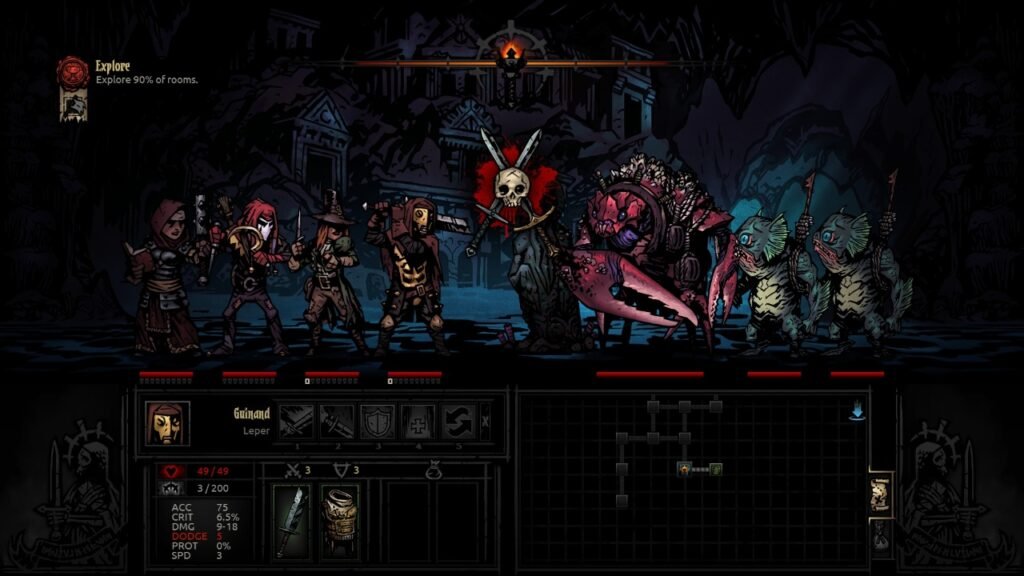
Losing a battle in a game like Darkest Dungeon can mean saying goodbye to an adventurer you’ve spent hours training, equipping, and desperately trying to keep alive. One minute, your party is making good progress through a monster-infested ruin, the next, your favorite hero is lying dead on the dungeon floor. You could have retreated while everyone was still breathing, but there was another room to explore, a little more treasure to collect, and supplies to survive one last encounter.
The game’s stress system makes those decisions even more dangerous, with terrified adventurers developing afflictions, suffering breakdowns, and becoming increasingly difficult to manage as expeditions drag on. World of Horror creates a similar sense of dread through its disturbing investigations, limited resources, and the approaching awakening of an ancient god. Every mystery takes its toll on your health, reason, and remaining time, leaving you to decide whether another dangerous encounter is worth the risk.
There’s a reason a half-dead adventurer stumbling through a dungeon can be more frightening than the enormous monster waiting at the end. When you’ve spent hours keeping someone alive, the possibility of losing them makes even an ordinary enemy seem way more more threatening.
The Unknown Is Always Worse Than the Actual Monster
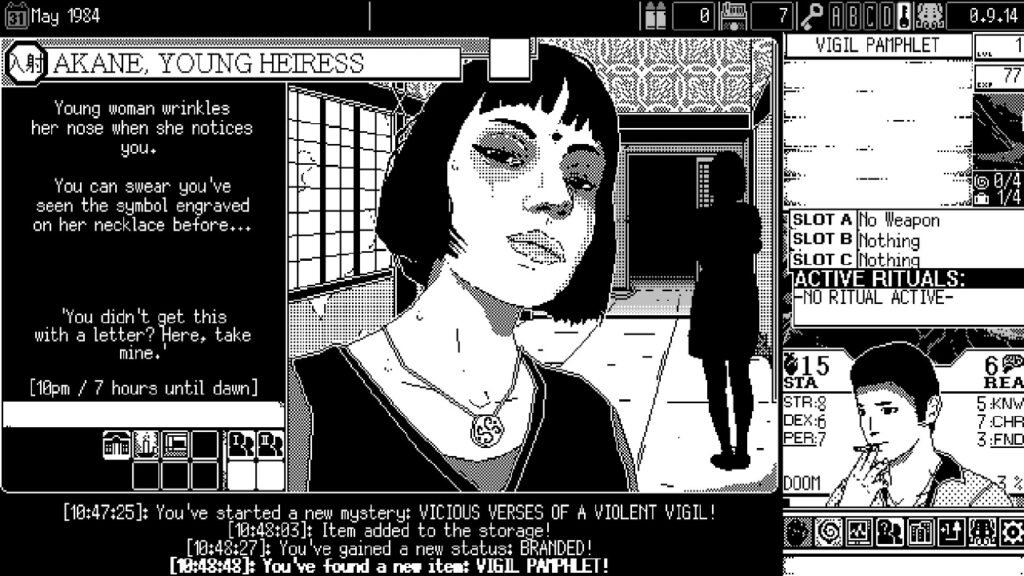
The first encounter with a horrible creature can be terrifying. By the tenth, you’ve probably memorized its attacks, discovered where it’s vulnerable, and worked out how to kill it without wasting too many resources. Horror games have always struggled with the problem of familiarity, but roguelikes have a useful way of making sure players can’t get too comfortable. Changing environments, unexpected encounters, and unpredictable events mean that knowing a game inside out doesn’t necessarily mean knowing what’s waiting around the next corner.
Again, in World of Horror, randomized investigations can send players into different encounters with disturbing creatures, strange events, and increasingly unpleasant mysteries. Inscryption meanwhile, keeps its players guessing through a sinister card game where understanding the rules is only part of the problem, especially when the mysterious figure sitting across the table seems to have his own ideas about how things should work. Then there’s Noita, where fire, water, acid, explosives, and an enormous collection of magical spells can interact in ways that make experimenting with a new wand an extremely dangerous hobby.
The real danger isn’t simply that something unexpected might happen. It’s knowing that one unfamiliar enemy, badly timed explosion, or questionable decision could undo an entire run. Recognizing a dungeon’s layout may help you survive, but it won’t necessarily prepare you for the chain reaction you’ve just started by setting fire to something you probably shouldn’t have touched.
When You Can’t Trust Anything, Not Even Your Lunch
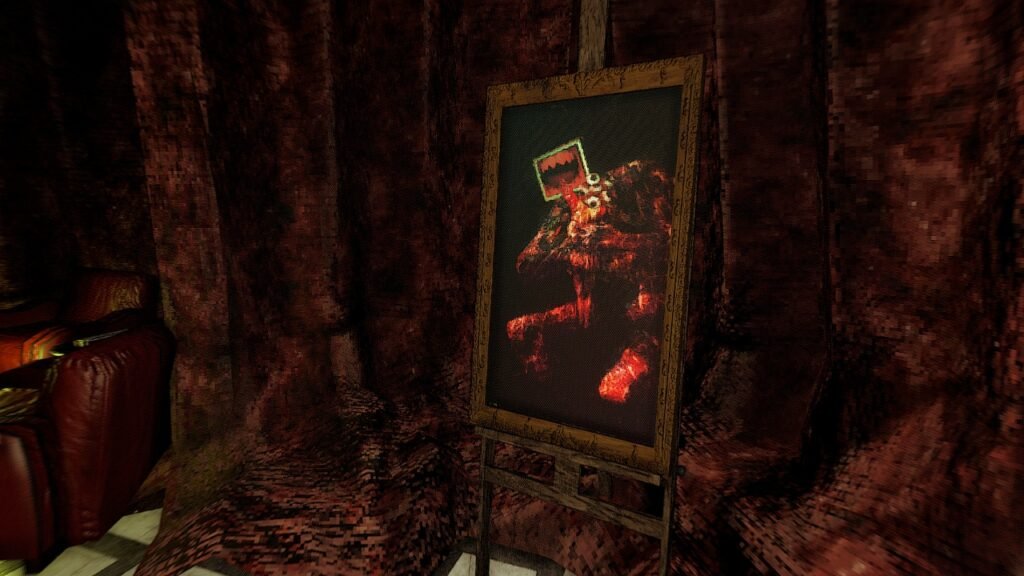
A perfectly ordinary chair shouldn’t be something you have to worry about when exploring a horror game, but that’s exactly the kind of thing you can expect in games like Golden Light. This grotesque roguelike takes place inside a shifting nightmare known as the Gut, where furniture, everyday objects, and seemingly harmless surroundings can conceal things that would very much like to kill you. Even food becomes suspicious, with players encouraged to consume all manner of strange things while trying to survive an environment that seems determined to make every decision feel like a terrible mistake.
The danger of trusting the wrong object also plays an important role in Prey: Mooncrash, which sends players into a changing simulation of a disaster aboard a lunar research facility. Enemy placements, available resources, and environmental hazards can differ between attempts, while Mimics have the particularly unpleasant ability to disguise themselves as ordinary objects. That coffee mug sitting innocently on a desk might be exactly what it appears to be, or it could suddenly sprout legs and launch itself at your face.
Both games make exploring their environments a rather uncomfortable experience, especially when useful supplies and dangerous surprises can be hiding in the same places. It’s difficult to concentrate on surviving an alien-infested facility when you’re also wondering whether the office furniture has developed a taste for human flesh.
The Dungeon Doesn’t Care How Brave You Are
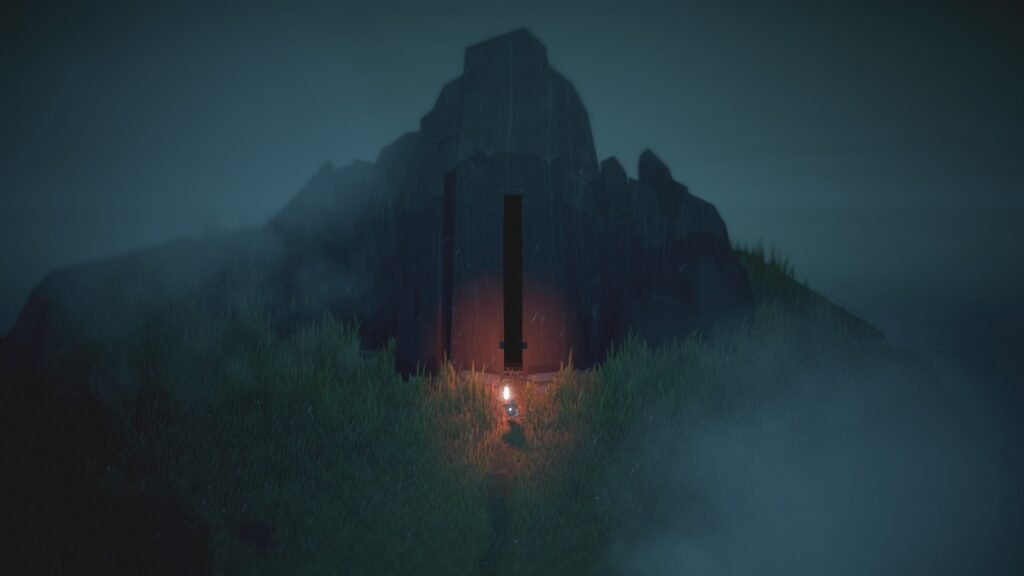
A few successful runs can do terrible things to a player’s confidence. You’ve learned the enemy attacks, found some powerful equipment, and started wandering into dangerous areas without giving the consequences much thought. Then something enormous and terrifying comes charging out of the darkness, or you step on a trap you didn’t notice, and suddenly all that experience doesn’t seem quite so useful. Horror rogue games have a particular talent for reminding players that being well-equipped isn’t the same as being safe.
Barony fills its first-person dungeons with dangerous creatures, hidden traps, and encounters capable of ending an expedition before you’ve had time to work out what went wrong. Below takes a more oppressive approach, sending a lone adventurer into the dark depths of a mysterious island where limited resources, unfamiliar surroundings, and deadly encounters make exploration a serious undertaking. Even the experienced heroes of Darkest Dungeon can find themselves overwhelmed by stress and afflictions, leaving a heavily armored warrior just as vulnerable to a mental breakdown as a physical attack.
These games don’t necessarily need to leave players completely defenseless to make them frightening. Giving someone a powerful weapon and enough supplies to feel confident can be just as effective, especially when the next encounter makes it painfully clear that neither offers much protection against poor decisions.
Dying Is Bad but Coming Back Might Be Worse
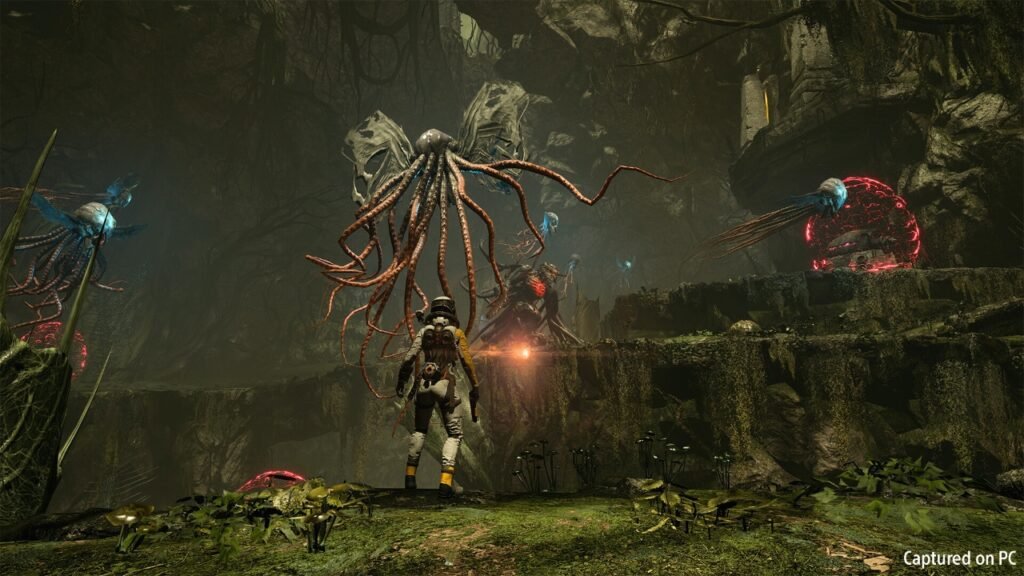
Waking up beside a crashed spaceship after being killed by an alien creature would be a strange experience once. Having it happen repeatedly, with no apparent way to escape the planet, would be enough to make anyone question their sanity. That’s the situation facing Selene in Returnal, where every death sends her back to the beginning of a nightmare she can’t seem to escape. The hostile world of Atropos changes between cycles, but the disturbing discoveries she makes suggest that something far more complicated is happening than a simple case of being trapped on an alien planet.
As Selene explores, fragmented memories, strange encounters, and increasingly unsettling revelations begin to blur the boundaries between her past and present. The familiar act of restarting a roguelike run becomes part of her psychological ordeal, with each death offering another chance to investigate a world that seems determined to keep her there. Inscryption uses repeated attempts in a similarly disturbing way, trapping players inside a sinister card game where losing to the mysterious Leshy leads to consequences that make the next round feel a lot less inviting.
For players, dying may mean another opportunity to experiment with a different strategy or finally defeat a troublesome enemy. For Selene, it means waking up beside that same crashed ship, knowing she’ll have to venture back into the nightmare whether she wants to or not. At some point, getting killed stops being the worst thing that can happen.
Why Do We Keep Going Back for More?
After spending an hour carefully exploring a dungeon, gathering supplies, and avoiding everything that looks remotely dangerous, getting killed by something you didn’t even see coming should probably be enough to make you find a more relaxing hobby. Instead, most of us immediately start another run, convinced that this time we’ll remember to check for traps, conserve our healing items, and avoid whatever horrible creature ended the last attempt. Whether we actually follow any of that advice is another matter.
There’s a strange satisfaction in gradually understanding something that once terrified you. Repeated investigations in World of Horror help players recognize dangerous situations and make better use of their limited resources, while Darkest Dungeon rewards those who’ve learned which enemies to prioritize and when an expedition has become too dangerous to continue. In Returnal, creatures that once seemed impossible to defeat can eventually become manageable as players learn their movements, recognize incoming attacks, and develop the skills needed to survive.
Of course, knowing how something works doesn’t guarantee you’ll survive it. That familiar monster might appear when you’re already low on health, or a combination of enemies could turn an ordinary encounter into a complete disaster. Horror roguelikes give players just enough knowledge to feel confident about another attempt, while making sure there’s always something capable of proving them wrong.
See You in the Next Nightmare
Every failed expedition in a horror rogue game leaves behind a few useful lessons, a better understanding of the dangers ahead, and the suspicion that things might have turned out differently if you’d made one different decision. Perhaps you should have saved that healing item, avoided the suspicious-looking chest, or paid a little more attention to the horrible noises coming from the basement.
Still, you’ve learned from your mistakes, you’ve got a better strategy, and there’s absolutely no reason this next attempt should end as badly as the last one. Except, of course, for whatever’s waiting behind the next door.