

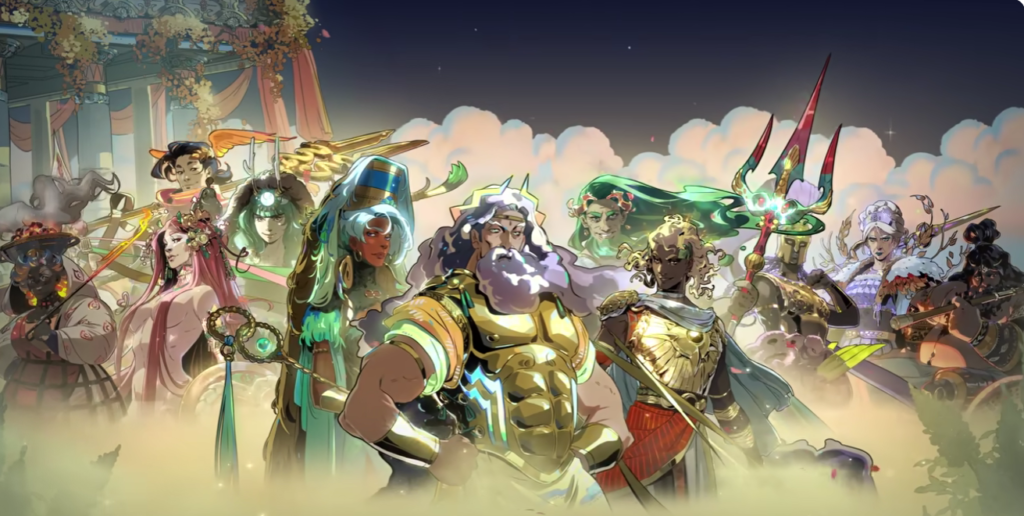
The first thing you need to understand about Hades II is that the game is constantly lying to you. Not maliciously, of course. But it does an excellent job of convincing new players they’ve figured everything out, right before sending them back to the Crossroads.
Maybe you just discovered a powerful boon combination, or your weapon suddenly feels unstoppable. Maybe you’ve cleared several encounters without taking damage and started wondering if the game is getting easier. It isn’t.
The reason so many new players get stuck is because they think progress comes from finding stronger weapons or getting luckier boons. Those things help, but they aren’t what actually makes experienced players successful.
The biggest difference between a player on their fifth run and a player on their fiftieth is understanding:
- Which upgrades matter long-term
- Which rewards are worth chasing
- Which systems deserve your resources, and which can wait
The problem is that Hades 2 throws a lot at you very quickly. Arcana Cards, Keepsakes, Incantations, Hexes, Familiars, weapon upgrades, and enough currencies to make it feel like you’ve accidentally wandered into a fantasy accounting simulator.
This guide focuses on the things that actually matter early on, helping you progress faster, survive longer, and avoid some of the mistakes that keep new players trapped in an endless cycle of almost making it.
What Should You Focus on First?
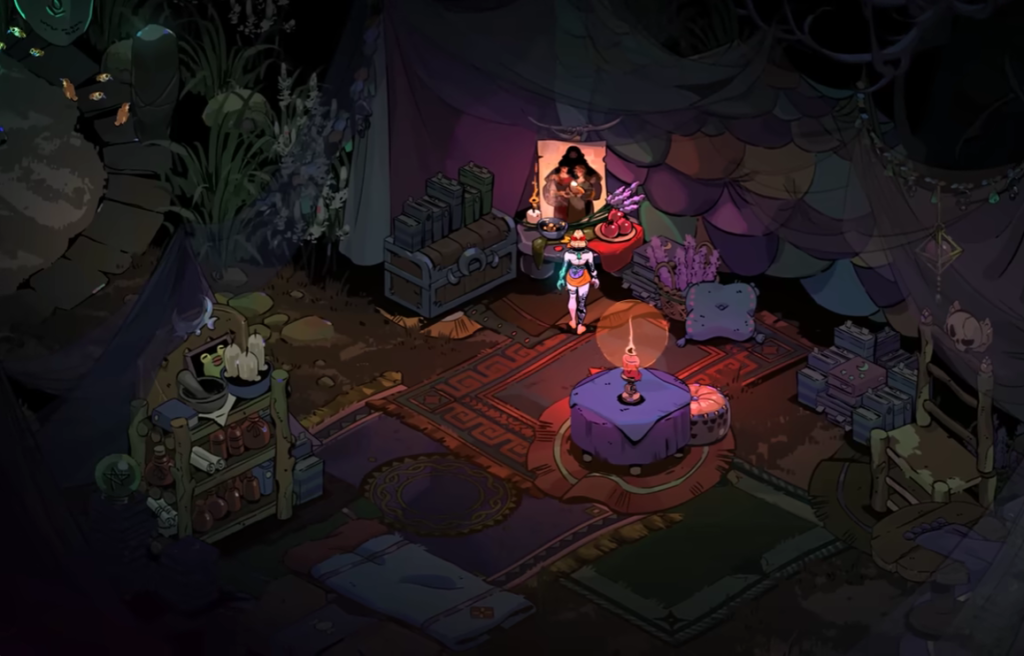
One of the easiest mistakes to make in Hades II is assuming your objective is to beat Chronos as quickly as possible. It isn’t, at least not yet.
For your first dozen or so runs, your real goal is to become stronger every time you return to the Crossroads.
The game is built around gradual progression. Every run teaches you something, unlocks something, or gives you resources that make future attempts easier. If you’re constantly improving your account, the victories eventually take care of themselves.
So let’s break down some of the main things you’ll want to prioritize early on…
Prioritize Arcana Above Almost Everything Else
If Hades II has a most important progression system, it’s Arcana.
New players often unlock a new feature and immediately start spreading their resources across everything the game puts in front of them. That’s understandable. The game introduces a lot of systems very quickly and most of them look important.
The problem is that some are much more important than others.
Arcana Cards provide permanent bonuses that affect every single run you ever do. More health, more damage, more rerolls, better resource generation, and better survivability. The benefits stack up faster than many players realize.
If you’re ever unsure where to spend resources early on, Arcana is usually the safest answer.
Spend Your Resources Instead of Hoarding Them
Roguelike players have a habit of saving things for later. Potions, scrolls, gold, upgrade materials. We’ve all done it. The trouble is, Hades II punishes that mindset more than most games.
A surprising number of players make the game harder for themselves simply by sitting on resources they could be spending immediately. That Arcana upgrade you’re saving for later? It could be helping you right now. Remember that Incantation you’ve been ignoring? It might just unlock a feature that makes future runs significantly easier.
Resources only have value if you use them.
Future you isn’t thanking present you for hoarding. Future you is wondering why you didn’t buy the upgrade ten runs ago.
Give Nectar Away as Soon as You Find It
Following on with the hoarding theme, the first time you receive Nectar, your instinct might be to save it. Don’t.
Nectar is one of the most valuable resources you’ll find early in the game, but not because of what it does, because of who you give it to.
Gifting Nectar unlocks Keepsakes, and Keepsakes can completely change how consistent your runs feel. Some help you find specific gods, some improve survivability, and others provide powerful offensive bonuses that can carry entire builds.
The sooner you start collecting Keepsakes, the sooner they start working for you.
Use Cast More Than You Think You Should
If there’s one mechanic that new players consistently underestimate, it’s Cast. Most people treat it like a bonus ability, just something they throw out occasionally between attacks.
That’s not how the game wants you to use it.
Cast controls space. It slows enemies, creates breathing room, makes dangerous encounters safer, and opens the door to some incredibly powerful boon interactions later on. Many players hit an early progression wall because they’re relying entirely on their weapon and barely touching one of the strongest tools in their arsenal.
If you’re struggling with difficult encounters, the solution may not be a stronger build, it may simply be using Cast properly. A good rule of thumb to follow is if you think you’re already using it enough, you’re probably not.
Which Weapons Are Best for Beginners?
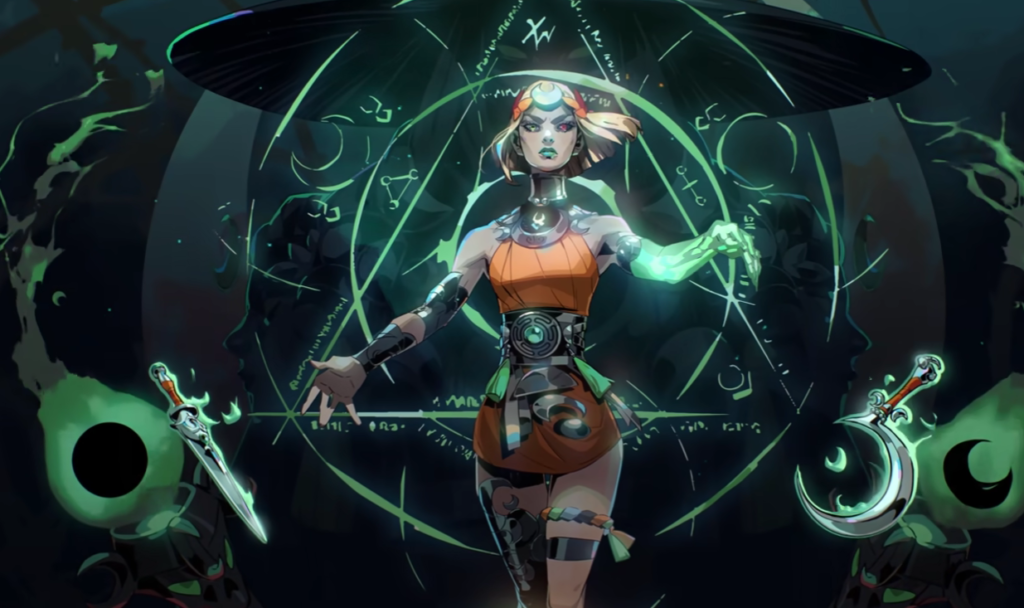
One of the first decisions you need to make is which weapon you want to bring into battle. Naturally, new players immediately start looking for the “best” one.
The problem is that Hades II doesn’t really work that way. Every weapon is capable of beating the game. What matters is finding one that matches how you like to play while you’re still learning enemy attacks, boss mechanics, and build synergies.
Some weapons simply make that learning process easier than others. Here’s a rundown of which weapons suit different play types to help you choose the right one for you.
Best Beginner Weapon – Witch’s Staff
If you’re completely new to the game, start with the Witch’s Staff. There’s a reason it’s the first weapon the game gives you.
The Staff does a little bit of everything. It has solid range, straightforward attacks, good crowd control, and doesn’t require complicated combos or precise positioning to be effective. Most importantly, it gives new players room to focus on learning the game itself instead of fighting with their weapon.
You’ll make mistakes, get surrounded, and miss opportunities. The Staff is forgiving enough that those mistakes usually aren’t fatal.
Best Weapon If You Like Fast Combat – Sister Blades
The Sister Blades are the opposite of the Staff. They’re fast, aggressive, and incredibly satisfying once they click.
The catch is that they require you to stay close to enemies, which means you’re also more likely to get hit while learning boss patterns and enemy attacks. New players often fall in love with the damage output, only to discover they’re spending most of their runs standing exactly where dangerous enemies want them to be.
That doesn’t make them bad for beginners, it just means they’re better suited to players who enjoy aggressive, high-risk playstyles.
Best Weapon for Staying Safe – Moonstone Axe
The Moonstone Axe hits hard and gives you something every new player appreciates… Time.
Its slower attack speed encourages a more deliberate approach to combat, while its blocking mechanics can help newer players survive mistakes that would be punished heavily on other weapons.
At first glance, the Axe can feel clunky compared to faster options but stick with it. Many players eventually discover that slowing down and paying attention to enemy attacks is exactly what they needed to improve.
Best Weapon for Experienced Action Game Players – Umbral Flames
The Umbral Flames are powerful. They’re also chaotic.
Rather than attacking directly, you’re controlling magical flames that orbit around Melinoë and damage enemies in unusual ways. The weapon can produce enormous damage when used well, but it also asks players to think differently about positioning and combat.
For experienced action game players, that’s part of the appeal. For complete beginners, it can sometimes feel like learning Hades 2 while simultaneously learning an entirely different game.
Best Weapon Overall for New Players
If you’re unsure where to start, use the Witch’s Staff. Not because it’s the strongest weapon in the game, but because it lets you focus on the things that actually matter early on.
Learning enemy patterns, understanding boons, experimenting with builds, and getting comfortable with Cast. Eventually you’ll find a weapon that fits your playstyle.
Until then, the Staff is the closest thing Hades 2 has to a beginner-friendly recommendation, and there’s absolutely nothing wrong with sticking with it longer than the game expects.
Don’t Chase the Perfect Build
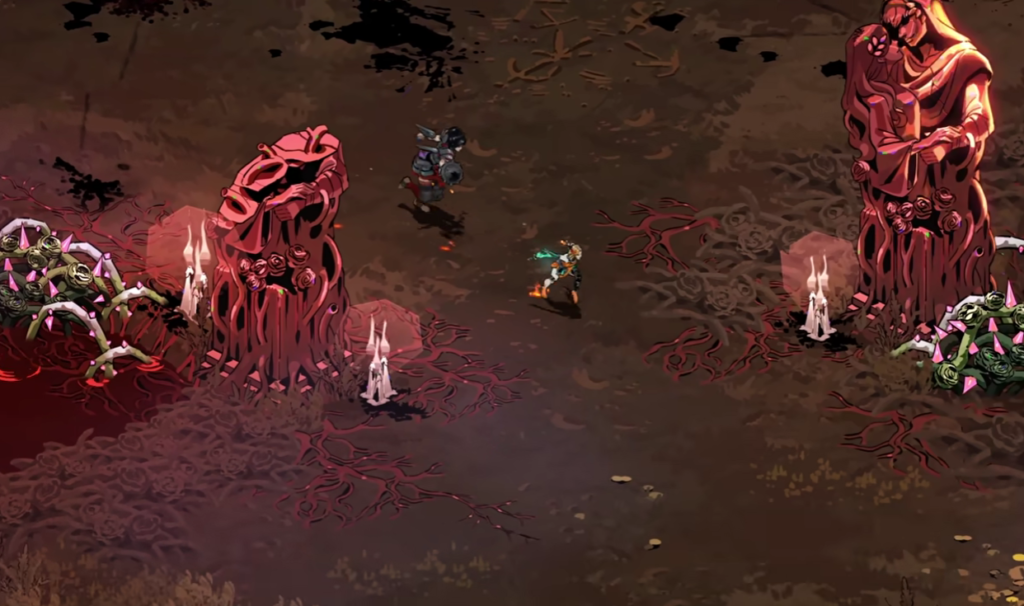
One of the fastest ways to make the game more frustrating than it needs to be is to become obsessed with finding the perfect build.
At some point you’ll watch a YouTube video, see somebody melting bosses in seconds, and decide that’s the build you’re going to use. Then the game gives you completely different boons, and another different set the run after that, and another after that. That’s when a lot of players start making bad decisions.
They skip useful boons because they’re waiting for specific ones. They ignore strong upgrades because they don’t fit the build they’re trying to force. They spend entire runs chasing an idea that may never appear.
That mindset isn’t going to be rewarded here.
The players who consistently succeed aren’t usually the ones forcing the same build every run. They’re the ones who understand how to make the most of whatever the game puts in front of them.
Think of boons as opportunities rather than instructions. Maybe you planned on building around Zeus, but Poseidon keeps showing up. Maybe you wanted a Cast-focused run, but the game keeps offering attack upgrades instead. That’s not bad luck, it’s just the game asking you to adapt, and adaptation is one of the most important skills in the entire game.
The reality is that most successful runs evolve. You take a strong boon early, another one complements it later, and before you know it you’ve built something powerful that you never intended to create.
Ironically, that’s also where some of the most memorable runs come from. Not the ones you copied from a guide, but the ones you discovered yourself.
So, if you’re new to the game, stop worrying about recreating the perfect build. Focus on learning what each god offers, understanding which boons work well together, and recognizing strong opportunities when they appear.
Common Beginner Mistakes
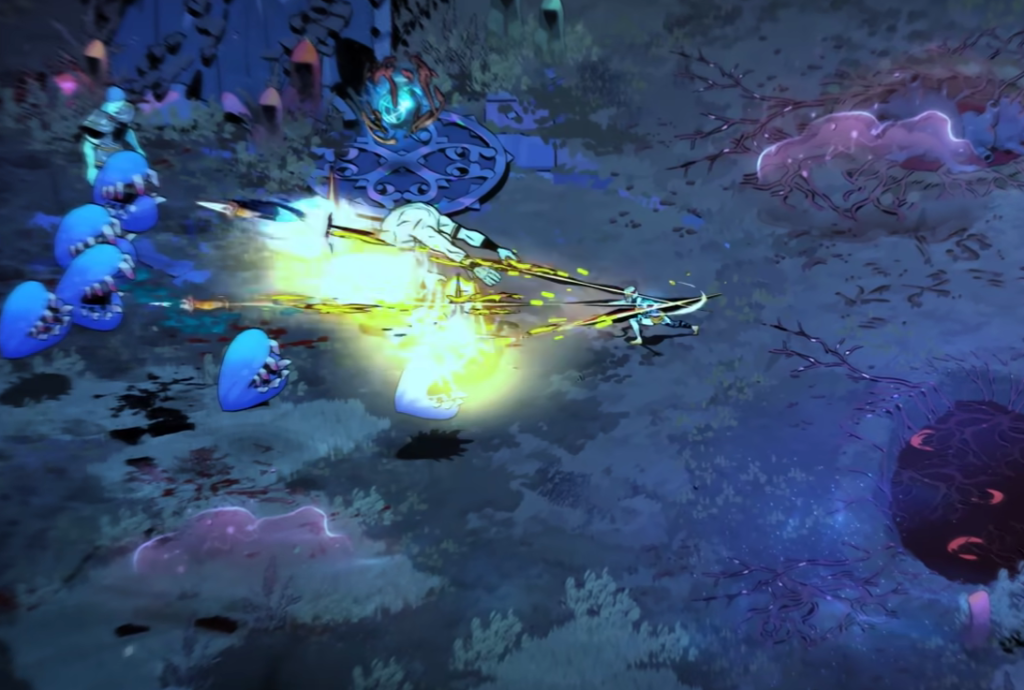
Most players make the same handful of mistakes early on. The good news is that they’re all easy to fix once you know what to look for. Here’s some of the most common beginner mistakes to avoid…
Treating Every Encounter Like a Race
It’s surprisingly common for new players to sprint into every room and immediately start attacking the nearest enemy. That works for a while, but then the game starts introducing larger groups, ranged enemies, armored foes, and encounters where positioning matters far more than raw aggression.
Before you attack, take a second to look at what’s actually in the room. Identify the biggest threats first and figure out where the dangerous enemies are standing.
A little patience at the start of an encounter often saves a lot of health later.
Standing Still During Boss Fights
Many new players become so focused on dealing damage that they stop moving. Chronos and the other major bosses absolutely love this.
Hades II is a game about avoiding damage first and dealing damage second. You don’t need to maximize every attack window, and you don’t need perfect uptime. What you need is to just stay alive long enough for your build to do its job.
If you’re constantly dying during boss fights, try focusing on survival for a few attempts instead of damage. You’ll be surprised how much easier those encounters become.
Choosing Rewards Without Looking Ahead
When a reward door appears, it’s tempting to grab whatever sounds strongest in that moment.
Experienced players think a little differently.
Instead of asking, “What helps me right now?” they ask, “What will this run need twenty rooms from now?”.
Maybe you’re already doing plenty of damage and really need health, or maybe you have a great build but no way to reroll poor boon choices. It could be that a hammer upgrade is worth more than another random boon.
Remember, the best reward isn’t always the most exciting one.
Giving Up on a Weapon Too Quickly
Every Hades II weapon can feel a little awkward at first and that’s normal. The problem is that many players have one bad run, decide a weapon is terrible, and never touch it again.
Most weapons don’t reveal their strengths until you’ve spent several runs learning how they interact with boons, Daedalus Hammers, and different playstyles.
If a weapon isn’t clicking immediately, don’t write it off after one attempt. There’s a good chance you simply haven’t discovered what makes it powerful yet.
Blaming Every Loss on Bad Luck
This might be the biggest beginner mistake of all. It’s easy to look at a failed run and blame the boons you were offered. Sometimes the game absolutely gives you awkward choices.
Most of the time, though, there’s something else going on.
It could be you took unnecessary damage earlier in the run, or you chose short-term rewards over long-term power. Maybe you ignored an enemy attack pattern because things were going well.
The strongest Hades II players aren’t the ones who get lucky every run, they’re the ones who learn something from every loss. The game is designed around failure. Every death is an opportunity to learn and the players who improve fastest are the ones who treat it that way.
The Most Important Thing to Remember
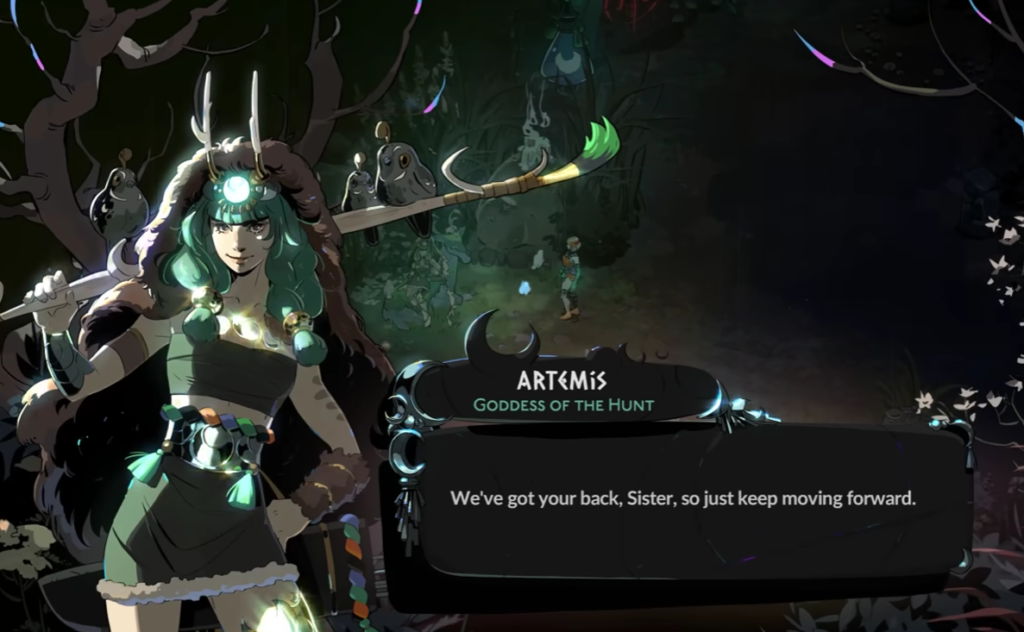
If there’s one thing to remember while playing Hades II, it’s that you’re not supposed to beat everything immediately. The game is built around failure, experimentation, and gradual improvement. Every run teaches you something, whether that’s a boss pattern, a stronger boon combination, or a mistake you won’t make next time.
It’s easy to focus on reaching Chronos as quickly as possible, but that’s not what separates successful players from struggling ones. The players who make consistent progress are the ones who get a little stronger and a little smarter after every run. Do that often enough, and the victories eventually take care of themselves.
Frequently Asked Questions
What Is the Best Beginner Weapon in Hades II?
For most players, the Witch’s Staff is the best weapon to learn the game with. Not because it’s the strongest weapon in Hades II, but because it’s the most forgiving. It offers good range, reliable damage, straightforward attacks, and enough flexibility to work with almost any boon combination you find.
More importantly, it lets you focus on learning enemy patterns, bosses, and progression systems instead of wrestling with complicated weapon mechanics.
Once you’re comfortable with the game, that’s the perfect time to start experimenting with the other weapons.
What Should I Spend Ash on First?
Your first priority should almost always be Arcana Cards. Arcana provides permanent bonuses that affect every future run, making it one of the most valuable progression systems in the entire game. More health, more damage, additional rerolls, better resource generation, and stronger survivability all come from investing in Arcana.
It’s tempting to spread resources across every new system you unlock.
Try not to.
Early on, Arcana gives the biggest return on investment by a considerable margin.
How Do I Get Stronger Quickly In Hades II?
The fastest way to get stronger isn’t finding better boons, it’s upgrading the systems that carry over between runs.
Focus on Arcana Cards, unlock useful Incantations, collect Keepsakes by gifting Nectar, and learn how the different gods’ boons interact with each other. Those permanent improvements have a much bigger impact on long-term success than any single powerful run.
Many new players chase stronger builds, whereas the best players build stronger accounts.
When Should I Go To The Surface?
As soon as the game allows you to. A lot of players assume they should fully conquer the Underworld before exploring the Surface route.
The Surface contains its own resources, progression opportunities, story content, and unlocks that contribute to your overall growth. Even if you don’t survive very long, you’ll still gather valuable materials and information that help future runs.
Think of it as expanding your options rather than abandoning your main objective.
Why Do I Keep Dying To Hecate?
Hecate is designed to teach you lessons that regular enemies don’t. Most new players reach her by relying on aggression and Hecate punishes that approach immediately.
Her fight is more about recognizing patterns, avoiding unnecessary risks, and learning when to focus on survival instead of attacking. The sheep transformation mechanic in particular catches many players because they’re paying attention to Hecate rather than the arena itself.
If you’re stuck, stop worrying about winning for a few attempts and focus entirely on learning her attacks. You’ll be surprised how quickly the fight becomes manageable once you understand what’s actually killing you.
Can You Beat Hades II Without Getting Lucky?
Yes. Luck matters in Hades II, that’s part of what makes roguelites interesting. However, what matters more is your ability to adapt.
Many new players assume a failed run happened because they didn’t receive the right boons. In reality, experienced players regularly win with builds that weren’t part of the original plan. They understand which rewards to prioritize, how to adjust their strategy, and how to make the most of whatever the game offers.
The strongest skill in Hades II isn’t finding the perfect build, it’s learning how to build something powerful from imperfect choices.
How Many Runs Does It Take to Beat Hades II?
There isn’t a single answer because the game is designed around gradual progression. Some players reach major bosses surprisingly quickly. Others spend dozens of runs unlocking upgrades, experimenting with weapons, and learning mechanics before making significant progress.
The important thing to remember is that Hades II isn’t measuring success purely by victories. Every run unlocks resources, knowledge, story progression, or permanent upgrades.
If you’re getting stronger after every attempt, you’re progressing exactly as the game intends.