

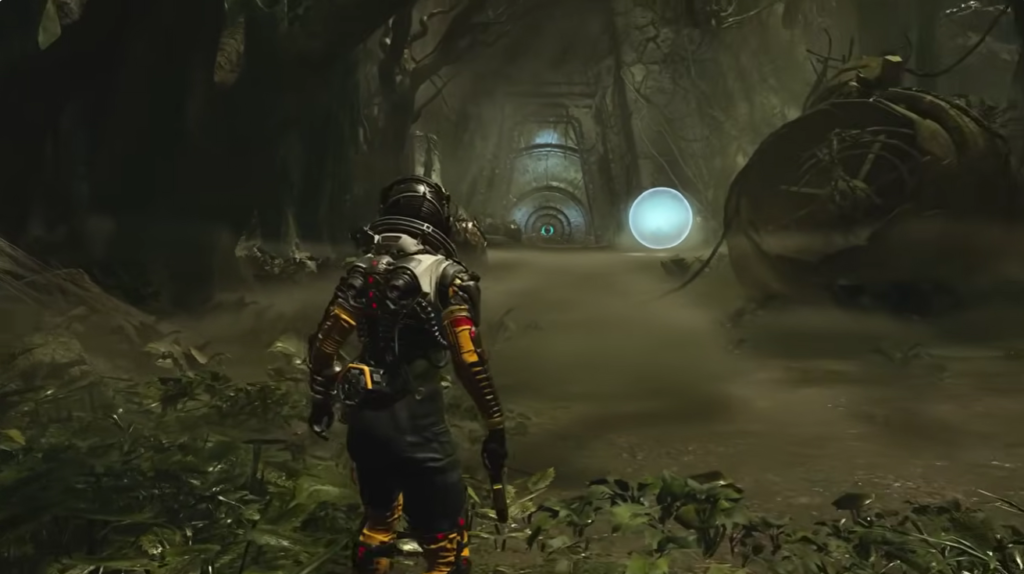
The easiest way to confuse a gamer is to ask them whether a particular game is a roguelike or a roguelite.
Some people will tell you they’re basically the same thing. Others will insist they’re completely different genres. Before long, you’re trapped in a conversation about permadeath, procedural generation, progression systems, and a dungeon crawler from 1980 that somehow still influences games today.
The problem is that roguelikes and roguelites share a lot of the same ideas. Both genres revolve around repeated runs, randomized content, difficult decisions, and the possibility of losing everything when things go wrong.
If you’ve played games like The Binding of Isaac, Balatro, Dead Cells, Slay the Spire, or Rogue itself, you’ve already experienced mechanics that exist across both genres.
Yet despite how often the terms get used interchangeably, they don’t actually mean the same thing. The distinction isn’t always obvious, especially now that modern games borrow ideas from both sides of the genre.
Understanding the difference becomes much easier once you know where the terms came from and why players started separating them in the first place.
What is a Roguelike Game?
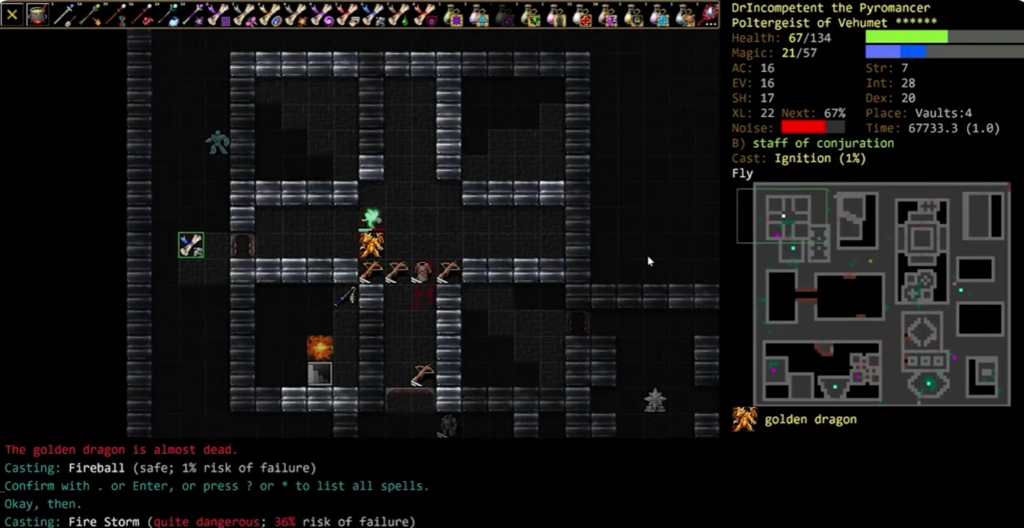
To understand what a roguelike is, you need to go back to the game that gave the genre its name.
Rogue was released in 1980 and introduced an idea that still defines the genre more than forty years later. When you die, that’s it.
You don’t just lose some progress, or restart from the last checkpoint. Your character is gone, your equipment is gone, the run is over, and the next one begins from the very start.
That may sound brutal by modern standards, but it created something surprisingly compelling. If the game wasn’t making your character stronger between runs, the only thing that could improve was you.
That’s still the core philosophy behind traditional roguelikes today. Games like Caves of Qud, Jupiter Hell, Tales of Maj’Eyal, and Dungeon Crawl Stone Soup don’t expect players to overcome challenges through permanent upgrades. They expect them to overcome through experience.
You learn which enemies are dangerous, which items can save a run and which ones can accidentally end it. You learn when to play aggressively, when to retreat, and when opening that mysterious door is probably a terrible idea.
This is why longtime fans often describe knowledge as the real progression system.
A veteran player and a beginner can start a run with exactly the same character, exactly the same equipment, and exactly the same chance of finding useful items.
One of them is still far more likely to win. Not because their character is stronger, but because they are.
What is a Roguelite Game?
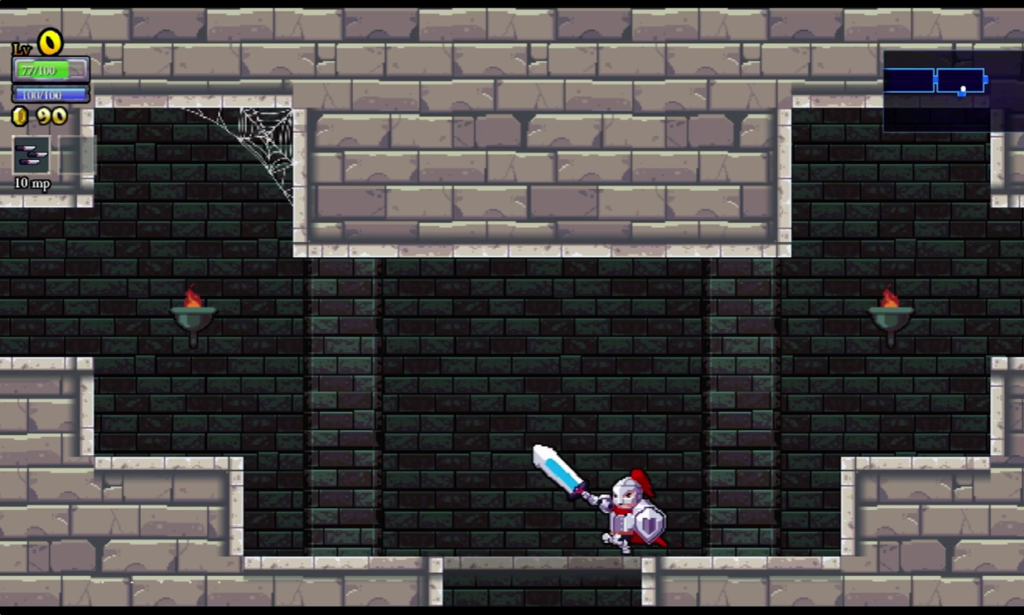
Traditional roguelikes are built around the idea that every run begins from scratch. No permanent upgrades, persistent unlocks, or way to make your next character stronger than the last one.
Roguelites kept many of those ideas, but they added something new and that’s permanent progression.
As developers experimented with roguelike mechanics, they discovered that players loved the randomized runs, difficult decisions, and unpredictability. What many players didn’t love was losing absolutely everything after every failed attempt.
So, games started allowing progress to carry forward.
You may unlock a new character, discover a powerful weapon, earn a currency that can be spent on permanent upgrades before your next run. Whatever form it takes, the result is the same. Even when you lose, you’re still making progress.
That’s the defining feature of a roguelite. The procedural generation, challenging encounters, randomized rewards, and permadeath are often still there. The difference is that failure no longer sends you all the way back to the beginning.
Hades lets players unlock new weapons, abilities, and upgrades between runs. Rogue Legacy turns every death into an opportunity to strengthen future generations of heroes. Dead Cells gradually expands the pool of weapons, mutations, and tools available throughout the game.
You still fail.], a lot. The difference is that failure becomes part of your progression rather than a complete reset.
That’s one of the biggest reasons roguelites became so popular with mainstream audiences. They preserve much of the tension and replayability that made roguelikes special, while ensuring that almost every run contributes to something larger.
You may lose the run, but you rarely lose everything.
Roguelike Vs Roguelite: The Key Differences
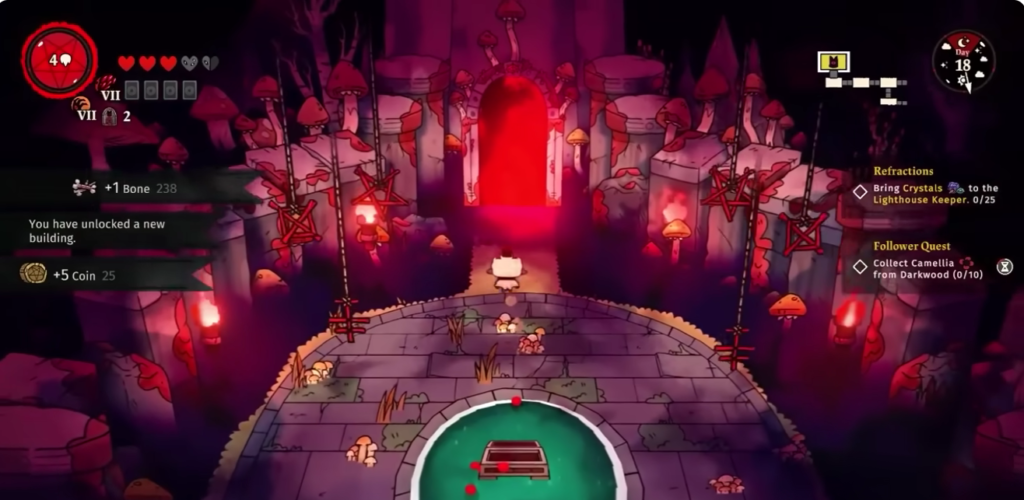
The distinction between roguelike and roguelite games sounds pretty simple. Roguelikes reset everything when you die and Roguelites let some form of progression carry over.
The trouble is, modern games rarely fit neatly into one box. Developers have spent years borrowing ideas from both sides of the genre, which means many games sit somewhere in the middle. That’s why you’ll sometimes see players disagree about whether a particular game should be called a roguelike or a roguelite.
Still, a few differences tend to appear more often than others.
| Feature | Roguelike | Roguelite |
| Permadeath | Yes | Usually |
| Permanent Upgrades | Rare | Common |
| Progress Between Runs | Little or None | Significant |
| Difficulty | Often Higher | Usually More Accessible |
| Character Growth | Within Runs | Within and Between Runs |
| Examples | Caves of Qud, Jupiter Hell | Hades, Dead Cells |
In a roguelike, a veteran player succeeds because they’ve learned the game. They understand the systems, recognize dangerous situations, and make better decisions than a newcomer.
In a roguelite, those things still matter, but the character is often becoming stronger as well. New weapons, upgraded abilities, additional cards, permanent bonuses, unlockable characters, and other progression systems all help shape future runs.
That’s one of the biggest reasons roguelites became so popular. Even a failed run often feels productive. You may not reach the final boss, but you’ll usually walk away with something that makes the next attempt a little easier.
A roguelike asks you to improve, whereas a roguelite often lets both you and your character improve together.
Why Do People Mix Them Up?
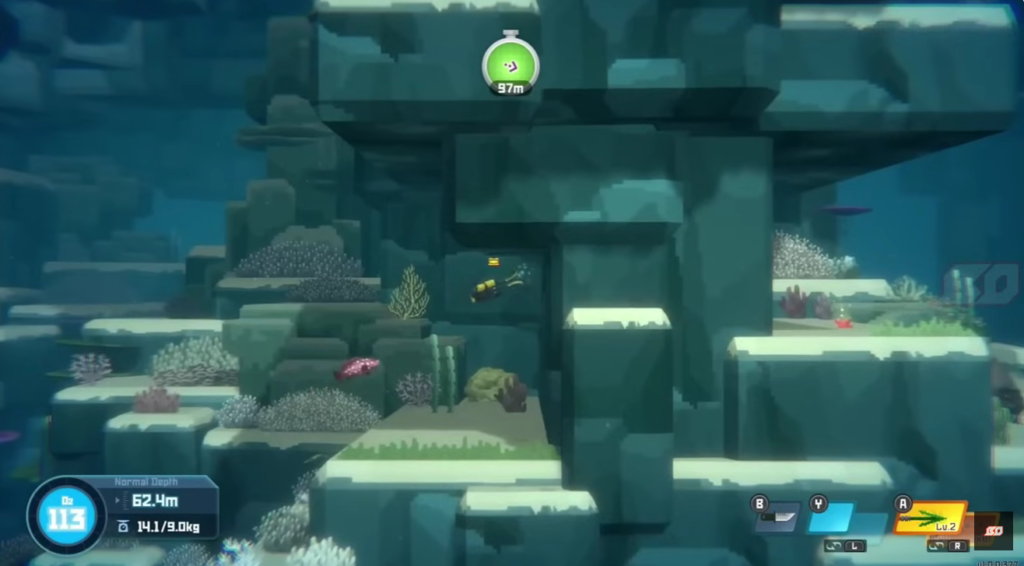
At this point, you might be wondering why this debate still exists at all. After all, if roguelikes and roguelites have different definitions, shouldn’t it be easy to tell them apart?
As briefly touched upon earlier, the problem is that modern games don’t always respect neat definitions.
When the genre first emerged, the distinction was much clearer. Games inspired by Rogue tended to share many of the same mechanics, design philosophies, and expectations. Then developers started experimenting, and things became much messier.
Some games added permanent progression. Others replaced turn-based gameplay with real-time combat. Some abandoned traditional dungeon crawling altogether. Before long, developers were taking individual pieces of the roguelike formula and combining them with completely different genres.
That’s how we ended up with roguelike deckbuilders, roguelike shooters, roguelike city builders, survivor-likes, autobattlers, and countless other variations.
Steam hasn’t exactly helped either.
Browse the platform for long enough and you’ll find games described as roguelikes, roguelites, roguelike deckbuilders, action roguelikes, and half a dozen other labels that often overlap with one another. Developers use the terms differently, players use the terms differently, and sometimes even the same game gets described differently depending on who’s talking about it.
Some games borrow heavily from traditional roguelikes while adding permanent progression. Others remove mechanics that were once considered essential while keeping much of the genre’s underlying philosophy intact.
The more developer’s experiment, the harder it becomes to draw a perfectly clean line between the two categories.
Frequently Asked Questions
Are All Roguelikes Hard?
Not necessarily. Roguelikes have a reputation for being difficult because many of them feature permadeath and expect players to learn through trial and error. However, difficulty can vary significantly from game to game.
Some roguelikes are designed to be brutally unforgiving, while others include quality-of-life features, adjustable settings, or more accessible learning curves that make them easier for newcomers to enjoy.
Can a Game Be Both a Roguelike and a Roguelite?
Sort of. While most games tend to lean more heavily toward one category, many modern titles borrow ideas from both genres. Some include traditional roguelike mechanics alongside permanent progression systems, while others remove certain roguelike features but keep many of the genre’s core ideas intact.
That’s one reason why genre debates remain so common. Not every game fits neatly into a single box.
What Does Permadeath Mean?
Permadeath is one of the defining features of both roguelikes and roguelites. It simply means that when a character dies, the current run ends and progress made during that run is lost.
In traditional roguelikes, that often means starting completely from scratch. In roguelites, players may still lose the run but usually retain some form of progression, unlocks, or resources for future attempts.
Why Are They Called Roguelikes?
The term comes from Rogue, a dungeon-crawling game released in 1980.
Rogue introduced many of the mechanics that would eventually become associated with the genre, including procedural generation, permadeath, and run-based gameplay. Games that followed a similar design philosophy became known as “roguelikes” because they were like Rogue.
Over time, developers began creating games that borrowed some of those ideas while adding their own twists, eventually leading to the emergence of roguelites.
Are Roguelites More Popular Than Roguelikes?
In terms of mainstream popularity, yes.
While traditional roguelikes still have a dedicated and passionate community, roguelites tend to attract larger audiences thanks to their more accessible progression systems.
Games like Hades, Balatro, Dead Cells, Vampire Survivors, and The Binding of Isaac have introduced millions of players to the genre by making failure feel rewarding rather than purely punishing.
That doesn’t make one genre better than the other. They simply appeal to slightly different types of players.