

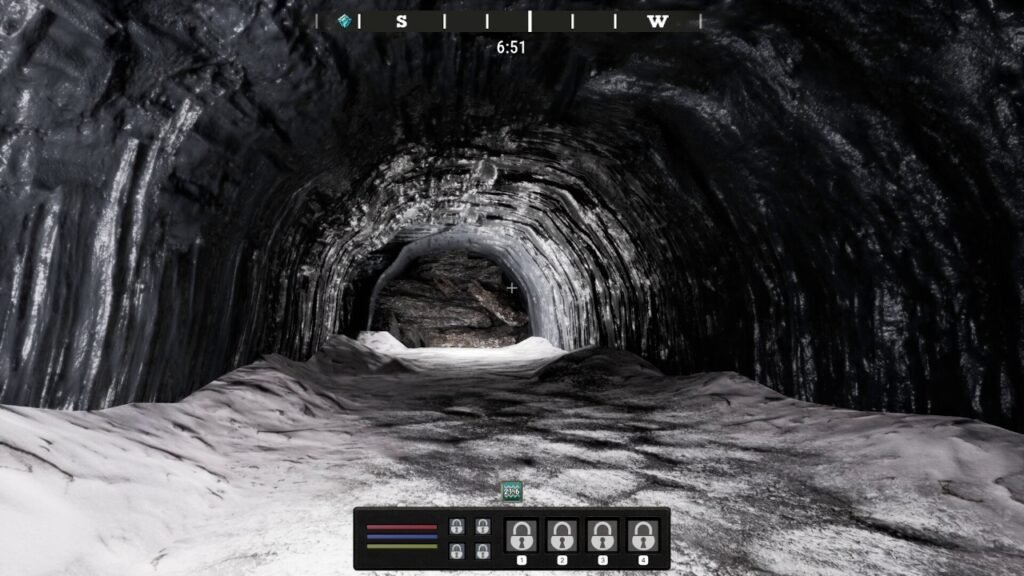
Somewhere beneath the earth, a mysterious government agency has discovered a collection of ancient artifacts it desperately wants to get its hands on. Unfortunately, those artifacts are hidden inside dungeons crawling with creatures that cannot be killed, and the agency’s solution is to send a group of poorly equipped recruits down to retrieve them. No weapons, no way to defend themselves, and a strict deadline for getting the job done. Whatever they’re paying these people, it isn’t enough.
That’s the rather unfortunate situation awaiting players in Dawn of Irkalla, a cooperative survival horror roguelite from GreenMind Media Inc. launching into Steam Early Access today. Combining first-person dungeon crawling with stealth, deckbuilding, and character progression, the game sends up to four players underground to recover valuable artifacts while investigating the secrets of the organization responsible for putting them there.
The trouble is that the deeper you venture, the more dangerous the expedition becomes, and the agency doesn’t appear concerned about whether its recruits make it back alive.
You Can’t Kill the Monsters, So Don’t Try
Most dungeon crawlers give you a sword, a few spells, or at least something heavy enough to hit an approaching monster with. Dawn of Irkalla offers none of those luxuries. Every creature lurking underground is invincible, leaving you to work out how to get past them without attracting their attention.
The good news is the monsters aren’t completely unpredictable. Each has its own behavior patterns, giving players an opportunity to study their movements, identify safe routes, and learn when it’s better to stay hidden. Understanding how different creatures behave becomes increasingly important as you explore, especially when a single mistake could leave you trapped with something that has no intention of letting you escape.
The dungeons are handcrafted rather than procedurally generated, allowing you to become familiar with their layouts over repeated expeditions. Recognizing passages, remembering useful hiding places, and learning which routes lead to valuable artifacts could make future journeys considerably easier.
Of course, knowing exactly where you’re going won’t help much if you’ve already attracted the attention of something enormous and hungry.
A Deck of Cards Might Save Your Life
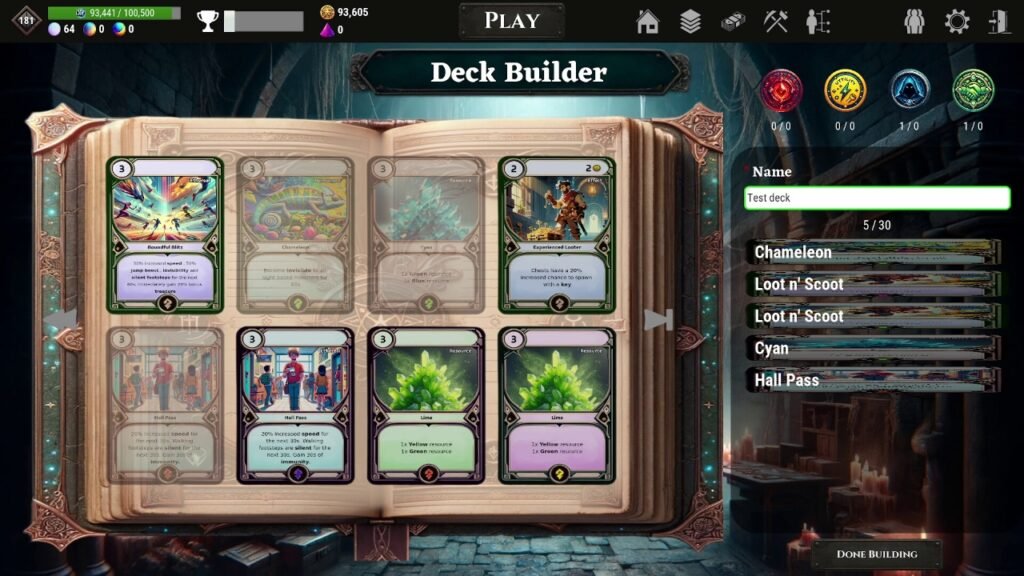
Although you won’t be fighting the monsters directly, Dawn of Irkalla gives players other ways to improve their chances of survival. Deckbuilding forms an important part of progression, allowing you to collect cards and develop different combinations of abilities as you explore the underground labyrinths.
You’ll also unlock skills through a character progression tree, gradually developing your character and opening up new approaches to future expeditions. The cards you collect and the abilities you choose will influence how you tackle the dangers ahead, giving you more to consider than simply finding the nearest hiding place whenever something starts moving.
Exploration also rewards you with useful loot that can be turned into crafted upgrades, although gathering supplies comes with a rather inconvenient complication: you’re working against the clock. Each expedition gives you a limited amount of time to locate artifacts, collect resources, and escape. Venturing into an unexplored chamber might reward you with something valuable, but it could also mean wasting precious minutes or discovering another monster standing between you and the exit.
There’s a balance to be found between gathering everything you can and knowing when you’ve pushed your luck far enough. Returning empty-handed might disappoint your mysterious employers, but getting yourself killed probably won’t do much for your career prospects either.
Four Recruits, One Very Questionable Assignment
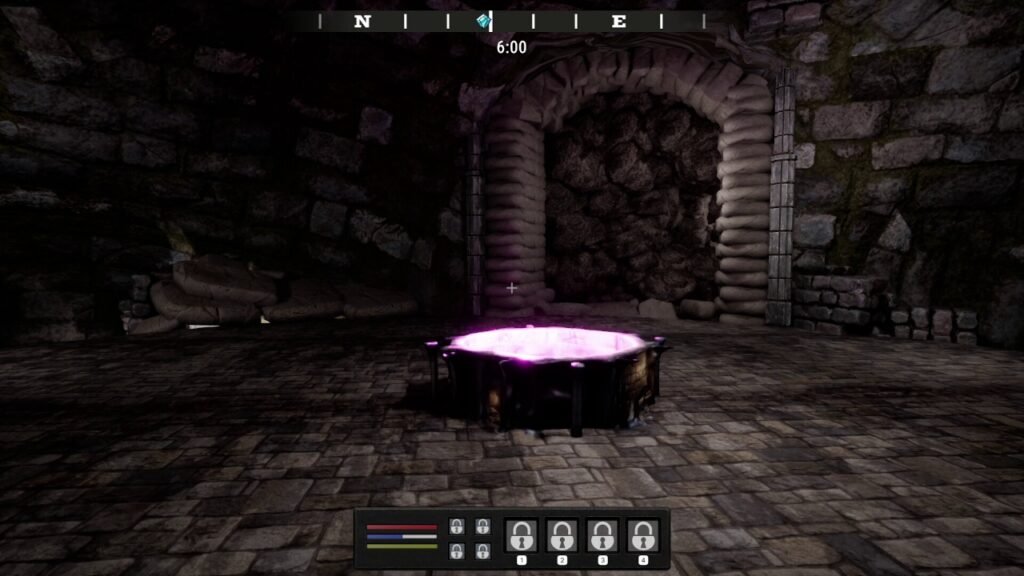
Exploring a monster-infested dungeon alone is dangerous enough, so bringing three friends along seems like a sensible idea. At least until someone wanders off, attracts something enormous, and turns a carefully planned expedition into a desperate scramble for the exit.
Dawn of Irkalla supports solo play and online cooperation for up to four players, with different character abilities and card combinations offering opportunities to develop strategies together. Coordinating movements, keeping watch for approaching creatures, and deciding which areas are worth exploring should make teamwork an important part of surviving each assignment.
Communication is handled through built-in proximity and global voice chat, allowing players to speak to nearby teammates or communicate across the dungeon.
Proximity chat could make those underground expeditions especially entertaining. There’s a certain horror-game tradition of hearing a friend confidently announce that they’ve found something interesting, followed by a scream, some frantic footsteps, and an abrupt silence.
There’s Something the Agency Isn’t Telling You
The artifacts you’re risking your life to recover aren’t ordinary archaeological discoveries. Their origins remain a mystery, and whatever powers they possess appear to be important enough for a government agency to keep sending people into some extremely dangerous places.
As you explore, you’ll discover hidden areas containing clues about the underground labyrinths and the organization employing you. Some secrets can even have lasting effects on the environment, with certain discoveries permanently changing the dungeon and opening new possibilities for subsequent expeditions.
That gives players another reason to investigate beyond simply collecting valuable objects, although finding those secrets means venturing away from familiar routes and into places where the monsters may be waiting.
GreenMind Media plans to keep Dawn of Irkalla in Early Access for approximately one to two years, with future development expected to introduce larger maps, additional cards, expanded crafting systems, and a player trading hall.
For now, the agency has artifacts to collect, dungeons to investigate, and an apparently endless supply of recruits willing to accept one of the worst job assignments imaginable. Whether any of them survive long enough to discover what their employers are really planning is another matter.