

For a genre that’s become one of the most influential forces in modern gaming, roguelites have spent a surprisingly long time sitting at the kids’ table.
That’s not meant as an insult. Some of the best games of the past decade have been roguelites. Hades, Dead Cells, Slay the Spire, Risk of Rain 2, Balatro, Vampire Survivors, The Binding of Isaac.
The genre has produced hit after hit while influencing countless games outside its own corner of the industry.
Yet when you look at the biggest publishers in gaming, something feels oddly absent. Where are all the AAA roguelites?
For years, the genre has largely been carried by indie studios and smaller teams willing to experiment with ideas that bigger publishers often avoided.
The good news is that might finally be starting to change.
AAA Publishers Never Really Needed Roguelites
Part of the reason we haven’t seen many AAA roguelites is because for a long time, large publishers were chasing entirely different trends.
They have been focused on open-world and live-service games, alongside massive multiplayer experiences and annual franchises.
Roguelites, meanwhile, were busy doing something that sounded completely backwards in a boardroom meeting. Imagine pitching permadeath to a publisher spending hundreds of millions of dollars on a game.
“We’ve created this enormous world, filled it with content, and players might lose everything after one bad run.”
Traditional AAA design often revolves around permanence. Players unlock gear, complete quests, progress through storylines, and steadily move forward.
Roguelites are built around repetition. Failure isn’t a punishment, it’s part of the experience.
That philosophy has always been easier for smaller developers to embrace because they’re not trying to justify blockbuster budgets.
How Returnal Started to Change Everything
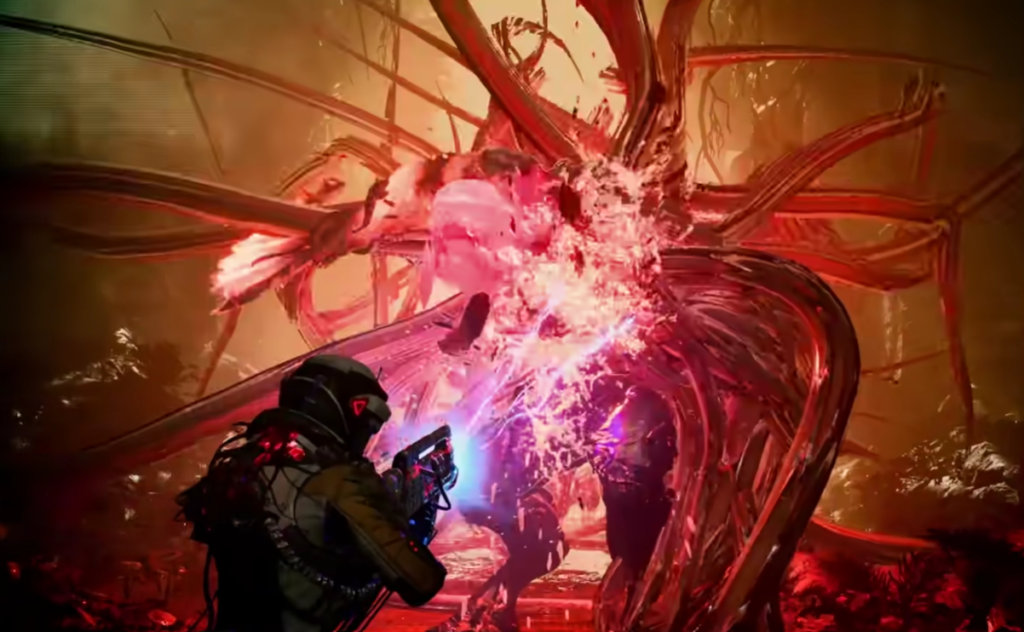
If there’s one game that changed how publishers view roguelites, it might be Returnal.
When Housemarque released Returnal in 2021, it felt like something we’d rarely seen before. This wasn’t an indie game with roguelite mechanics, it was a full-scale PlayStation exclusive built around them.
It boasted high-end visuals, AAA production values, motion-captured storytelling, and a substantial budget.
And underneath all of that was a roguelite.
Players died, restarted runs, adapted to randomized encounters, and slowly learned the systems through repetition.
In other words, it was doing many of the same things indie roguelites had been doing for years. The difference was simply the presentation.
Returnal proved that roguelite mechanics didn’t have to live exclusively in smaller projects. They could support a premium AAA experience as well. Suddenly the genre looked a lot less niche.
Roguelite Mechanics are Appearing Everywhere
The more interesting shift isn’t necessarily full AAA roguelites, it’s the number of major games quietly borrowing ideas from the genre.
God of War Ragnarök added the Valhalla DLC, a mode built around repeated runs, random rewards, and gradual progression.
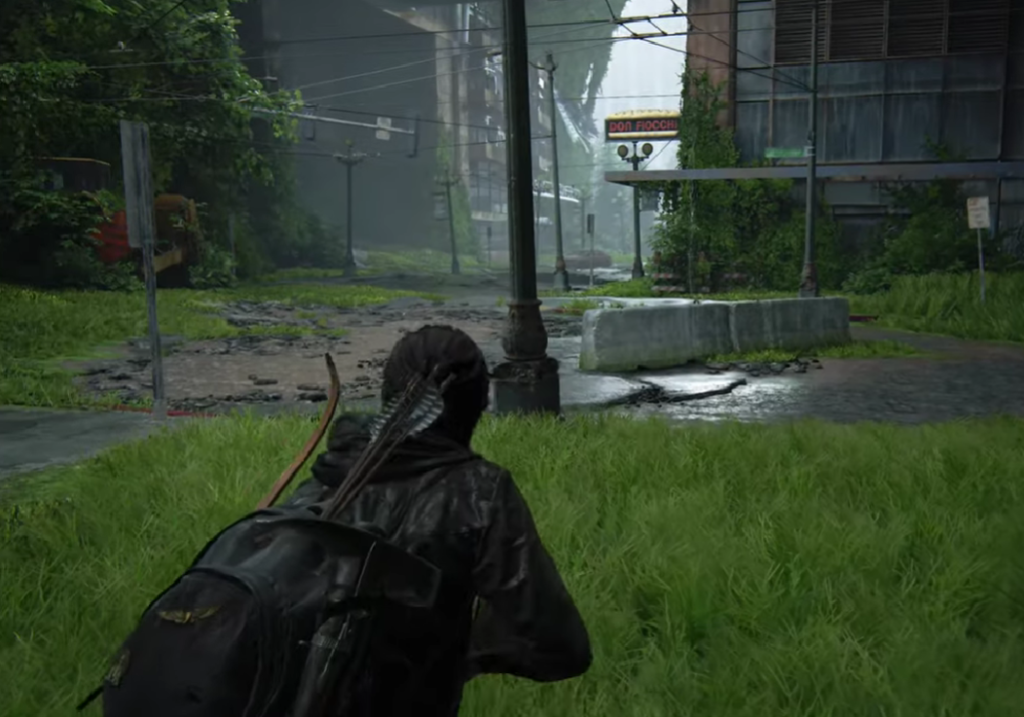
The Last of Us Part II Remastered introduced No Return, a dedicated roguelite survival mode.
Even franchises that would never describe themselves as roguelites have started experimenting with randomization, meta-progression, procedural systems, and run-based gameplay loops.
These mechanics are showing up everywhere and that’s how genres grow. First, they influence the industry, then the industry starts adopting their ideas. Eventually somebody decides to build an entire AAA game around them.
Roguelite Economics Are Starting to Make Sense to AAA Publishers
There’s another reason we may see more AAA roguelites in the future and that’s because players have demonstrated they’re willing to spend hundreds of hours inside these games.
That’s incredibly attractive to publishers. Creating content is expensive whereas creating systems that generate content is often much cheaper.
A traditional AAA game might spend years building handcrafted missions that players finish once. A great roguelite on the other hand, can keep players engaged for hundreds of hours using the same core systems.
That’s one reason games like Hades, Slay the Spire, and Balatro have built such dedicated communities.
People don’t simply finish them, they keep coming back and publishers notice that kind of engagement.
The Challenges Roguelites Face Trying to Achieve AAA Status
AAA development still comes with challenges that don’t always fit neatly alongside roguelike design.
Storytelling is one example. Many blockbuster games rely heavily on carefully paced narratives, cinematic moments, and handcrafted experiences. Roguelites however, thrive on unpredictability.
Balancing those two approaches isn’t always easy.
There’s also player expectation to consider. Someone buying the latest Assassin’s Creed or Spider-Man probably isn’t expecting to lose a run and start over from scratch.
The audience for roguelites has grown enormously, but it still isn’t identical to the audience for every AAA franchise.
Publishers have to consider that.
Can We Expect More AAA Roguelites The Future?
Indie developers will almost certainly remain the driving force behind the genre’s biggest innovations. They always have been.
However, it’s becoming increasingly difficult to argue that the genre is still niche. The audience exists, as do countless success stories.
The mechanics are spreading across the industry and we’ve already seen games like Returnal prove that AAA roguelites can work.
Right now one of gaming’s most successful genres is still largely being dominated by smaller studios. History suggests the bigger players won’t ignore that forever.