

Not every great roguelite becomes the next Hades, and not every clever idea sells millions of copies.
Sometimes genuinely interesting roguelites quietly build a loyal audience while most players never hear about them.
That’s part of what makes digging through the genre so rewarding. For every household name, there are dozens of smaller games experimenting with unusual mechanics, strange ideas, and concepts that bigger studios would probably never give the green light.
These are ten hidden gems we think deserve a little more attention…
1. Tumbleweed Destiny
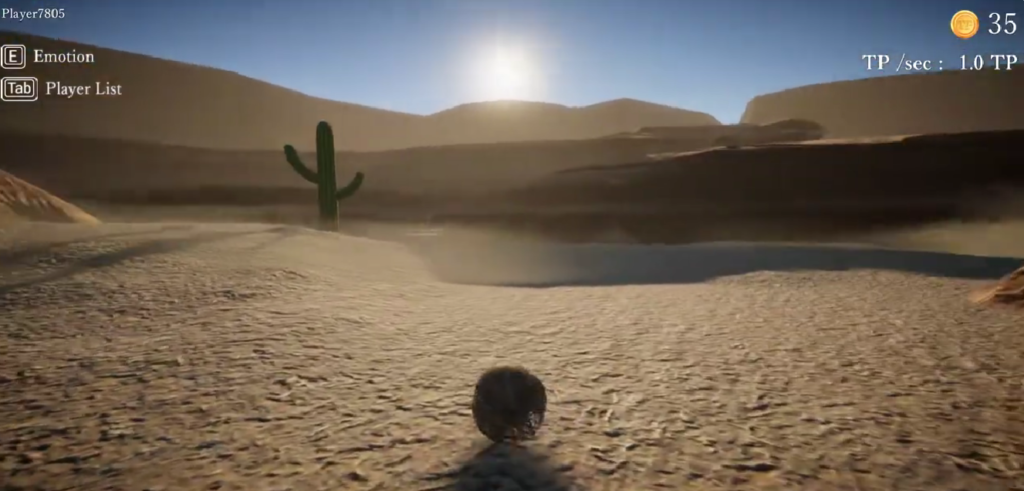
Tumbleweed Destiny is potentially the most bizarre game on the list. Players take control of a heavily armed tumbleweed rolling across the Wild West while causing increasingly unnecessary amounts of destruction.
Which is exactly as entertaining as it sounds.
The game combines physics-driven movement with roguelite progression, creating runs that constantly threaten to spiral into complete chaos. New weapons, upgrades, and abilities gradually transform a harmless ball of weeds into something considerably more dangerous.
It may sound ridiculous but be prepared to waste hours of your life on this unusual gem.
2. Megabonk
Megabonk isn’t a complicated game and that’s part of its charm. The entire experience revolves around momentum, impact, and hitting things with alarming amounts of force.
Every upgrade makes attacks more destructive, and every run encourages players to create even bigger chains of chaos. It’s fast, loud, and knows exactly what kind of experience it wants to deliver.
Judging by the reviews, it delivers it extremely well.
3. Froguelike
The roguelike genre has never suffered from a shortage of dark fantasy worlds, but Froguelike takes a different approach.
Instead of cursed kingdoms and ancient prophecies, players get frogs. Lots of frogs.
Beneath the excellent title sits a surprisingly enjoyable dungeon crawler filled with upgrades, secrets, challenging encounters, and plenty of reasons to keep exploring.
It’s charming without becoming overly cute, and challenging without becoming frustrating.
Which is a surprisingly difficult balance to strike.
4. Swamp Keeper
Swamp Keeper is the sort of game that quietly steals entire evenings. Part roguelite and part resource-management game, it constantly asks players to make small decisions that gradually become much larger ones.
Do you spend resources now or save them for later?
Do you push further into danger or play it safe?
Do you risk everything for one more reward?
Before long, you’ve built a surprisingly deep strategy around decisions that initially seemed simple. One more upgrade becomes one more expedition, and one more expedition becomes another hour gone.
5. 868-BACK
Some games remain hidden gems for so long they almost become cult classics. 868-BACK feels a little like that.
Its minimalist presentation doesn’t immediately grab attention, but the systems underneath are some of the most interesting you’ll find in the genre.
Every move matters, every decision carries consequences, and every run forces players to think carefully about risk, reward, and long-term planning.
The game doesn’t rely on flashy visuals or endless content. Instead, it relies on excellent design. Years later, that’s still enough to keep players recommending it.
6. Patch Quest
Patch Quest asks a question most games never think to ask. What if you could ride the monsters?
Part roguelite and part creature-collecting adventure, the game sends players exploring a colorful world filled with strange creatures, hidden paths, and countless opportunities for experimentation.
Every creature brings new abilities while every run opens new possibilities. It’s a game that constantly rewards curiosity, rarely feels predictable, and is also surprisingly difficult to compare to anything else.
7. Genome Guardian II
The survivorlike genre exploded in popularity for a reason. Genome Guardian II takes that familiar formula and pushes it in an interesting direction.
Rather than relying entirely on movement and reflexes, the game introduces a much stronger emphasis on planning, positioning, and defensive strategy.
Players build defenses, manage resources, and carefully construct builds capable of surviving increasingly difficult waves of enemies.
The result feels part survivorlike and part tower defense, which turns out to be a very effective combination.
8. Roulette Hero
Most roguelites ask players to think carefully before making a decision. Roulette Hero encourages them to make increasingly questionable ones.
Built around roulette-inspired mechanics, the game constantly tempts players with powerful rewards, risky bets, and opportunities to push their luck a little further than they probably should.
The safest option is rarely the most exciting one and every spin has the potential to transform a run. Sometimes it turns an average build into something absurdly powerful, and sometimes it reminds you why casinos make so much money.
Either way, it’s very difficult to resist taking one more chance.
9. Mini Tank Mayhem
Mini Tank Mayhem takes a simple idea and executes it extremely well. Tiny tanks and HUGE problems.
Players battle through fast-paced encounters, collecting upgrades and building increasingly ridiculous machines capable of causing enormous amounts of destruction.
Runs move quickly and combat remains frantic. Before long you’ll find yourself starting another run despite promising yourself the previous one would be the last.
10. FUMES
FUMES combines roguelite progression with high-speed post-apocalyptic vehicle combat and the result is exactly as chaotic as it sounds.
Players race across wastelands, collect resources, upgrade vehicles, and engage in explosive battles against anything unfortunate enough to get in their way.
Every run offers new weapons, new upgrades, and new opportunities to turn a barely functioning vehicle into a heavily armed monster.
It’s loud, messy, and it has more personality than most games twice its size.
Why Hidden Gems Matter
The biggest roguelites get most of the attention which is understandable. Games like Hades, Balatro, Slay the Spire, and Vampire Survivors earned their success.
However, one of the reasons the genre remains so interesting is because developers are constantly experimenting with new ideas. If you’re willing to look beyond the biggest names, you’ll discover that the roguelite genre still has plenty of surprises left to offer.