

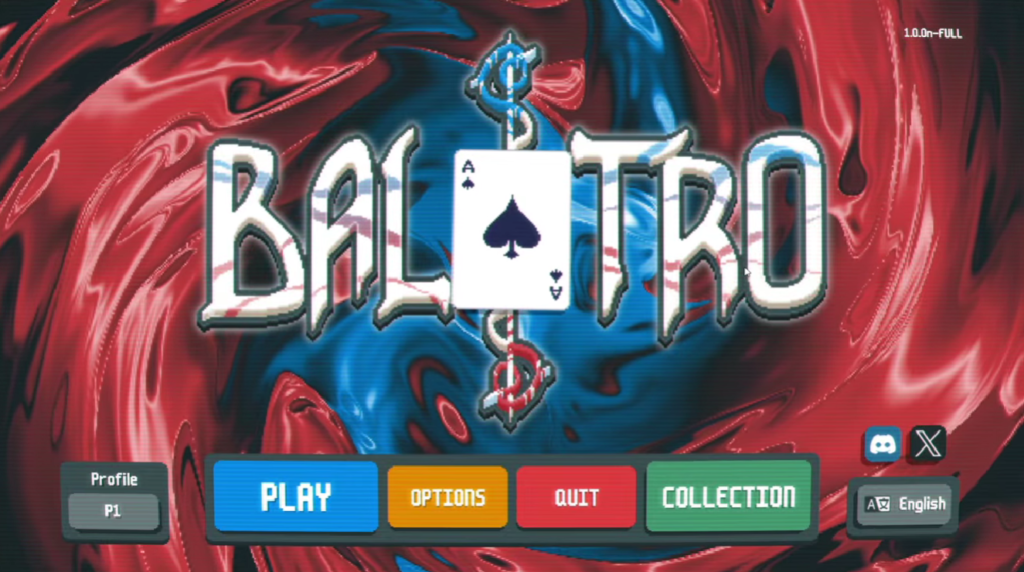
For years, roguelites followed a fairly predictable formula. You fought monsters, dodged attacks, and upgraded weapons. Eventually, if everything went according to plan, you defeated a boss before starting the whole process again.
The setting may change and the mechanics might evolve, but combat was almost always at the center of the experience.
Then Balatro came along and asked a very simple question:
What if none of that was necessary?
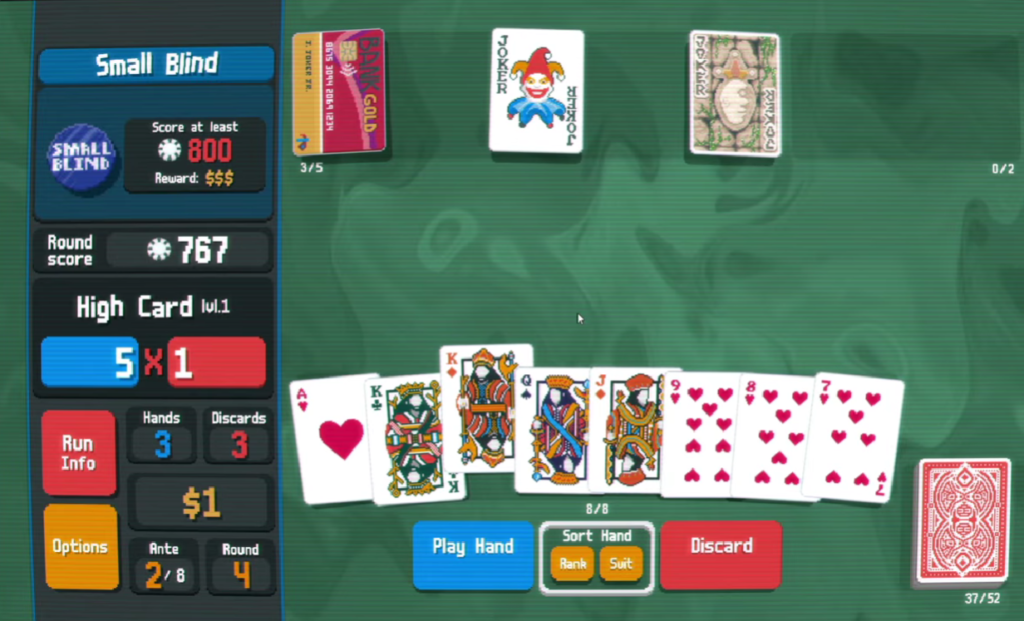
No swords, guns, dungeon crawling, or monsters. Just poker.
That sounds ridiculous when you say it out loud. In fact, it sounds like the sort of idea that should have struggled to get attention in a genre built on action and spectacle. Yet somehow Balatro became one of the biggest indie success stories in recent memory, selling millions of copies and consuming an alarming amount of players’ free time.
The reason is Balatro understood something that many roguelites had forgotten. People aren’t addicted to combat, they’re addicted to progression.
The Real Hook Was Never Fighting Enemies
Think about what keeps players coming back to games like Slay the Spire or Hades.
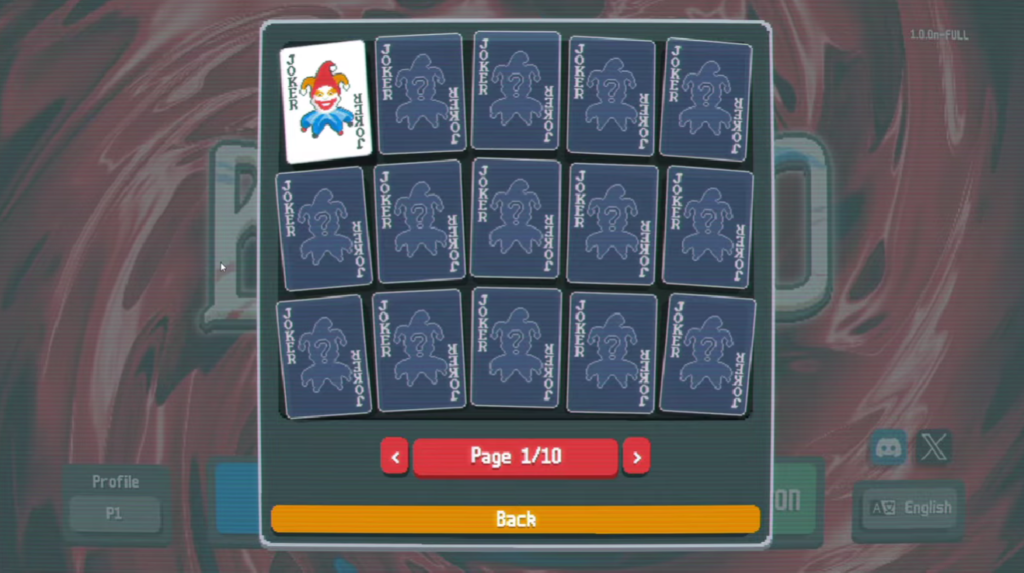
Sure, combat matters, but that’s rarely the thing people talk about afterwards. Players remember the absurd build that shouldn’t have worked, the relic combination that broke the game’s economy, and the run where everything suddenly clicked and their carefully assembled strategy transformed into an unstoppable machine.
Combat is often just the vehicle that delivers those moments and Balatro strips that vehicle away entirely.
Underneath the poker theme is a game built around exactly the same psychological rewards that make great roguelites so difficult to put down. Every run revolves around making decisions, finding synergies, and chasing increasingly ridiculous combinations.
Replacing Combat With Optimization
Most roguelites ask players to overcome a challenge, whereas Balatro asks players to solve a puzzle.
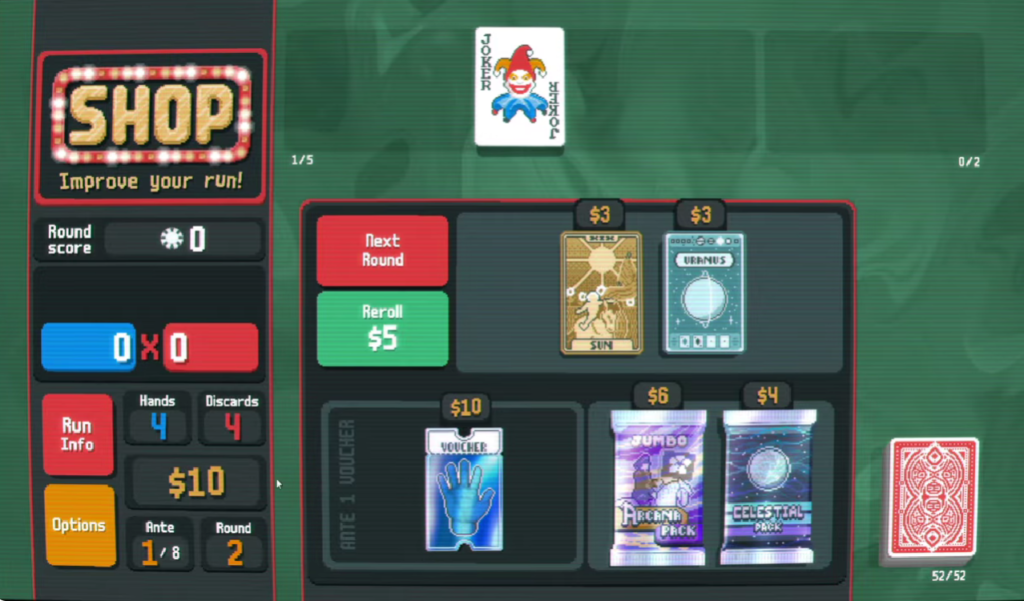
Every Joker card, voucher, deck modification, and decision creates another opportunity to build something stronger. At first, you’re simply trying to survive the blinds. A few rounds later you’re chasing multipliers. Then you’re hunting for combinations that generate scores so absurd they barely fit on the screen.
The progression feels familiar because it follows the same curve as countless great roguelites.
You start weak, discover tools, combine those tools in unexpected ways, and eventually, if you’re lucky, the game descends into complete mayhem. That’s exactly what players want.
The only difference is that instead of fighting a final boss, you’re fighting mathematics.
Balatro Opened the Door for Other Ideas
Perhaps the most interesting thing about Balatro’s success is what it says about the genre as a whole.
For years, many developers treated combat as a requirement. If you were making a roguelite, there probably needed to be enemies, weapons, and some form of traditional conflict. Balatro proved otherwise. It showed that the roguelite formula is much more flexible than people assumed.
What players actually enjoy isn’t necessarily combat itself. It’s the constant cycle of decision-making, adaptation, risk, reward, and discovery. Those systems can exist almost anywhere…
- Poker works
- Deckbuilding works
- City builders work
- Auto battlers work
Even spreadsheet-like management games can adopt roguelite principles and find an audience.
The genre has always been evolving, but Balatro accelerated that conversation in a way few games manage.
The Bigger Question Is What’s Next
The success of Balatro raises an interesting question for the future of roguelites. How many other ideas have developers dismissed simply because they don’t involve combat?
A poker game became one of the biggest roguelite success stories of the decade. Ten years ago that would have sounded absurd.
That’s usually a sign that a game has changed the way people think about a genre.
Balatro didn’t invent progression systems, synergies, or the thrill of discovering a broken build.
What it did was remove combat and prove those things could still stand on their own.
That’s an important lesson because countless developers continue trying to build the next great action roguelite. It turns out combat was never the only way to get there.