
Book of Demons has been around since 2018, but Thing Trunk’s paper dungeon crawler still manages to do things we don’t see very often in roguelikes.
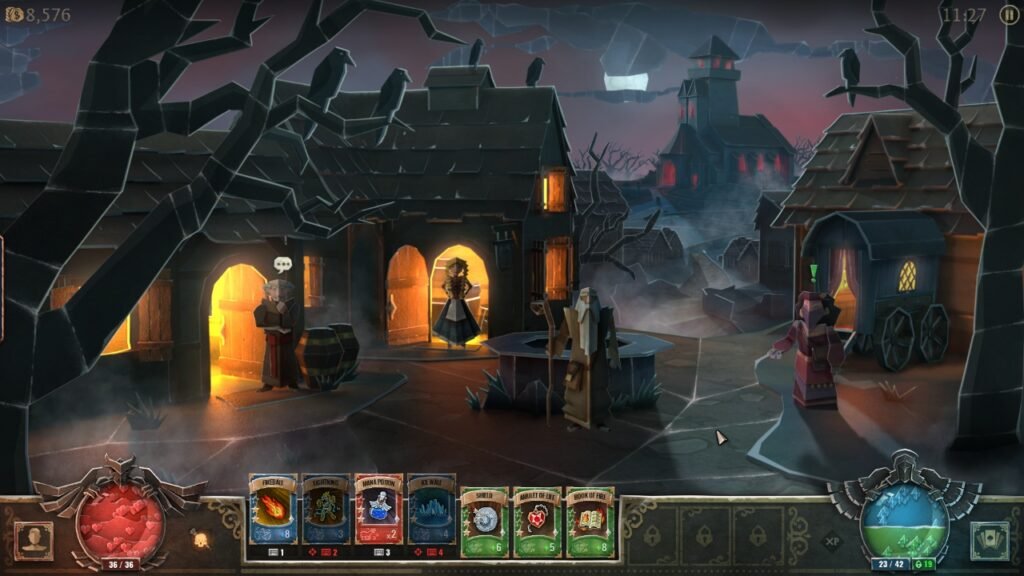
The inspiration from the original Diablo is pretty obvious. There’s a town, an old cathedral, a huge dungeon underneath it, and an Archdemon waiting somewhere at the bottom. The difference is that everything takes place inside a pop-up book, while your weapons, spells, and items have been turned into cards.
Throw in procedurally generated dungeons, three different classes, more than 70 types of monsters, and a system that actually lets you decide how long you want your next dungeon trip to be, and there’s quite a bit more going on underneath all that paper.
Your Weapons, Spells, and Items Are All Cards
One of the biggest differences between Book of Demons and the dungeon crawlers that inspired it is how your build works.
Rather than filling a traditional inventory with weapons and equipment, pretty much everything useful comes in the form of cards. Weapons, shields, spells, healing items, and other abilities can be equipped to your card bar, with a limited number of slots forcing you to decide what you actually want to take into the dungeon.
Cards can be upgraded with runes too, and there are Magical and Legendary variants to find as you make your way deeper underground. It means finding a powerful new card doesn’t necessarily make your build better straight away. If all your slots are already occupied, something else is going to have to make way first.
The Dungeon Works Around Your Schedule
One of the more unusual features is Flexiscope. Instead of starting a dungeon and having no idea how long you’re going to be down there, Book of Demons lets you choose the approximate length of your next session. Flexiscope learns how quickly you play and uses that information to estimate how long different dungeon sizes should take.
Only have 15 minutes? You can choose something short.
Have considerably longer to spare? You can make your next trip bigger.
It’s a simple idea, but a useful one for a genre where one quick run has a habit of becoming several. The dungeons themselves are procedurally generated, so choosing a similar length doesn’t mean you’ll simply be repeating the same route each time.
Three Classes Have Their Own Cards to Find
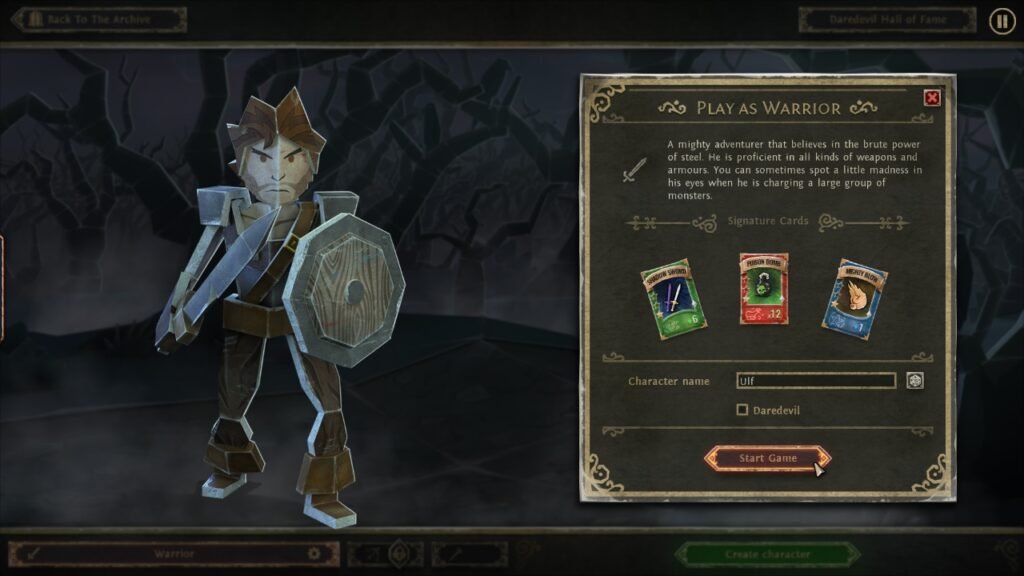
There are three classes available: Warrior, Rogue, and Mage. Each has its own selection of cards to discover and upgrade, giving you different ways to work through the dungeon and deal with the more than 70 types of monsters waiting inside.
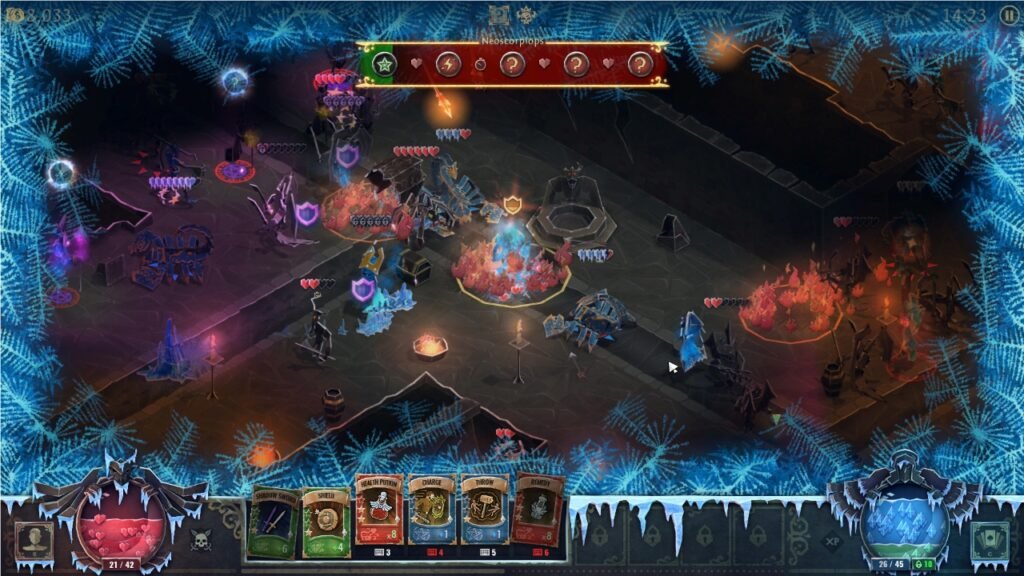
Enemies aren’t just there to soak up damage either. Some can poison, stun, or freeze you, while others have shields and different abilities that need to be dealt with before you can safely move on.
You can also interrupt certain enemy attacks by clicking directly on them, which means keeping an eye on what’s happening around your character becomes increasingly important when several monsters start causing problems at once.
Roguelike Mode Makes Things Considerably Nastier
If the regular campaign isn’t punishing enough, Book of Demons has a dedicated Roguelike Mode. Permadeath is enabled, healing becomes limited, and additional obstacles make surviving the dungeon much more difficult. There are monthly and all-time leaderboards too, so you can see how your best attempts compare with everyone else brave enough to head down there.
Freeplay gives you somewhere to continue developing characters after the main campaign, with higher difficulty levels available for anyone who isn’t quite ready to leave the cathedral behind.
There are more than 200 achievements to chase as well, so defeating the Archdemon doesn’t necessarily mean you’re finished.
There’s Still Nothing Quite Like Book of Demons
Book of Demons was the first entry in Thing Trunk’s Return 2 Games series, which was created around taking inspiration from classic PC games and finding new ways to play with their ideas. That approach is pretty easy to see here.
The Diablo influence gives Book of Demons a familiar foundation, but the card-based equipment, adjustable dungeon lengths, paper world, and tougher Roguelike Mode give it plenty of its own ideas.
It might be several years old now, but the game still holds a Very Positive rating from thousands of Steam reviews. If you missed it the first time around, there are plenty of reasons to give it a go.