

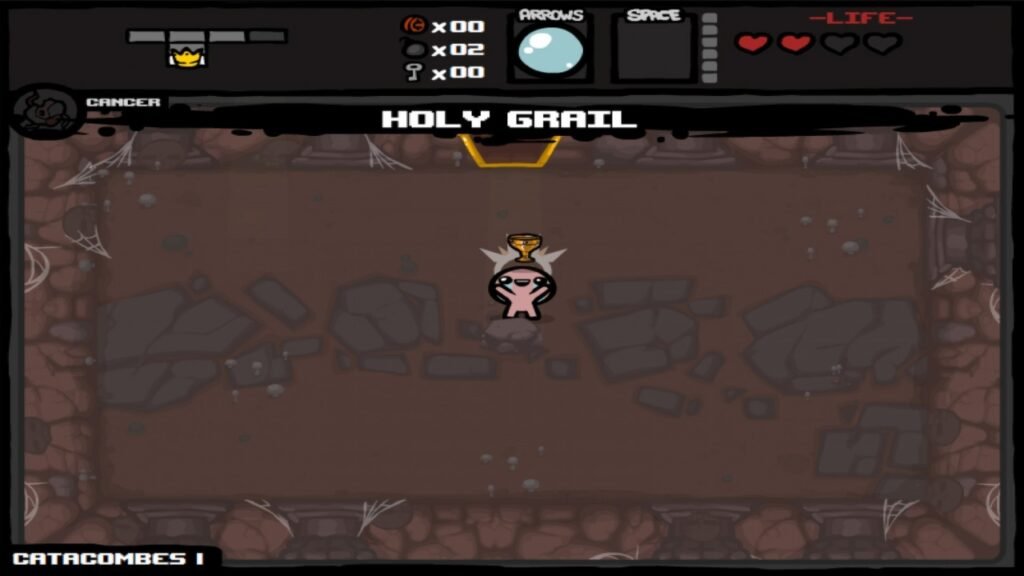
Ask players to name their favorite roguelike, and one game keeps coming up more than any other. The Binding of Isaac has remained one of the most popular roguelikes since its release, and this summer proved it hasn’t slowed down one bit.
Here’s a game that first launched back in 2011, then got remade as Rebirth in 2014. It’s not new. It’s not even “recently relevant” in the way a five-year-old game might be. By most standards, Isaac should be comfortably retired into the classics people mention in top 10 lists territory. Instead, it continues to dominate the genre.
Over a single stretch in late June and early July 2026, it broke its own all-time Steam concurrent player record. Since then, it’s remained firmly at the top of the most-played Steam games in any 24-hour period for weeks. It did all of this while going head-to-head with the biggest new roguelike release of the year, made by the same guy.
Here, we’ll look into how a 15-year-old roguelike is still beating the biggest releases of the year.
The Numbers Are Almost Hard to Believe
Isaac’s previous all-time peak was 70,701 concurrent players, set back in 2021 when the Repentance expansion dropped. That number stood for five years. Then, in the space of about ten days this summer, it didn’t just get beaten, it got demolished,.. Repeatedly:
- June 27: ~109,000 concurrent players
- June 29: ~130,000
- July 5: ~153,000
- Days later: Upwards of 156,000
That’s not a bump, it’s a game more than doubling its own record from five years ago, then beating that number again before the dust even settled.
The Same Guy Who Made It Also Made This Year’s Biggest Roguelike
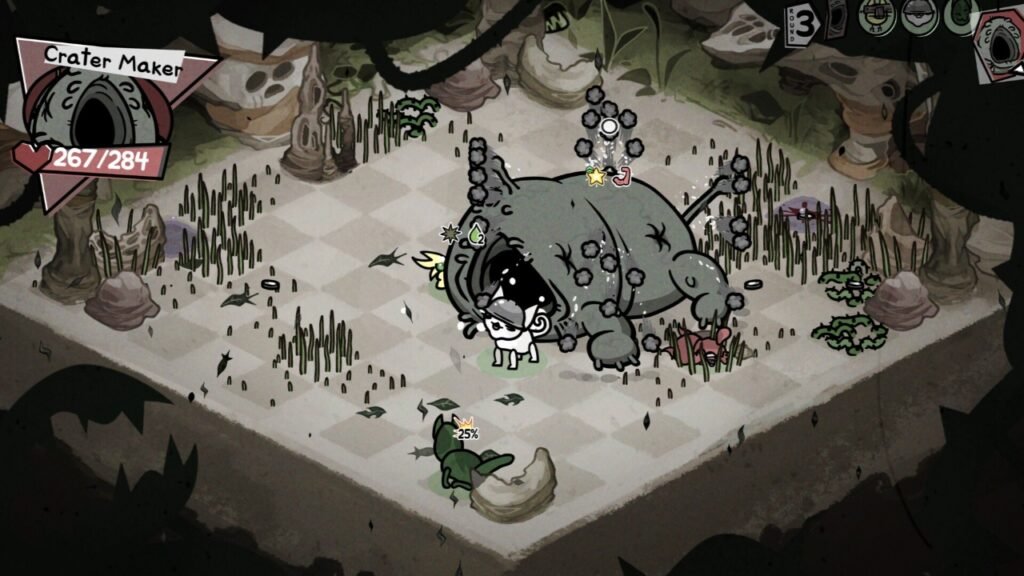
The strangest part of all this is who Isaac has had to compete with this year. This was the exact same summer as Mewgenics, the seven-years-in-the-making follow-up from Edmund McMillen, the same creator behind Isaac. Mewgenics wasn’t a quiet release, either. It launched to real Game of the Year buzz, sold hundreds of thousands of copies in its opening hours, and at its peak had even out-drawn Hades 2’s concurrent player count on Steam. By any measure, it was the roguelike story of 2026.
And yet, for a stretch this summer, Isaac was pulling in more concurrent players than its own successor. McMillen noticed the numbers climbing in real time and called it flatly “unreal for a 15 year old game.” Mewgenics co-creator Tyler Glaiel took it in good humor, joking that Mewgenics would pull off the same trick once it hit a 90% discount “in 2038 after 12 DLCs.”
It’s genuinely rare to see a developer’s old game outshine their new one in the same summer. So what’s actually keeping players coming back to Isaac after all these years?
Why Players Keep Coming Back
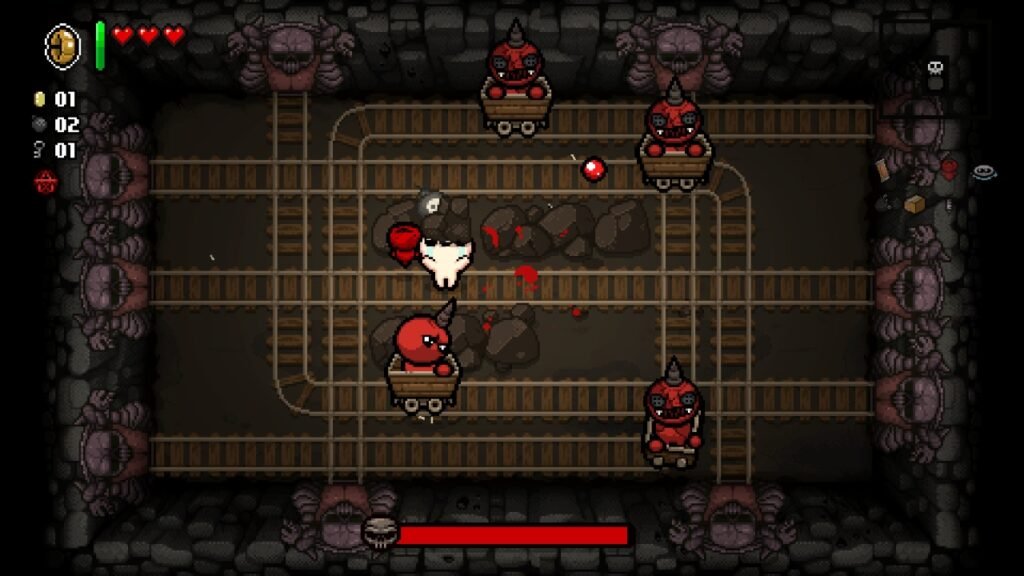
A chunk of this spike undoubtedly came down to the simple fact that Steam’s summer sale dropped Isaac: Rebirth to just $1.49, the steepest discount the game has ever had. However, a cheap price tag doesn’t explain why players stuck around once they’d bought in, or why so many returning fans jumped back in at the same time. That comes down to what Isaac actually offers, which is more than most roguelikes even attempt.
Between its base content and the Repentance expansion, there are 34 playable characters, over 700 items, and a dizzying number of item synergies, meaning even players with hundreds of hours logged are still discovering combinations they’ve never seen. That’s before factoring in the randomized room layouts, multiple branching paths, and rare rooms that can still surprise a 500-hour veteran.
Then there’s the modding scene, which hasn’t slowed down in over a decade. Community tools like Repentogon have made modding more stable and ambitious than ever, with fan-made frameworks adding entirely new item pools, bosses, and characters on top of an already massive base game. For a lot of long-time players, modded Isaac is treated less like an optional extra and more like the definitive way to keep playing once everything official has been unlocked.
On top of that, Isaac has always thrived as content. Its chaotic runs, brutal difficulty spikes, and constant addictive pull, made it a Let’s Play and Twitch staple for over a decade, and that pipeline never really switched off. Seeded runs and self-imposed challenges keep the community setting new goals for itself long after the credits roll.
Put it all together, and Isaac isn’t just a game people remember fondly. It’s a game plenty of players never actually stopped playing.
What Other Roguelikes Could Learn From This
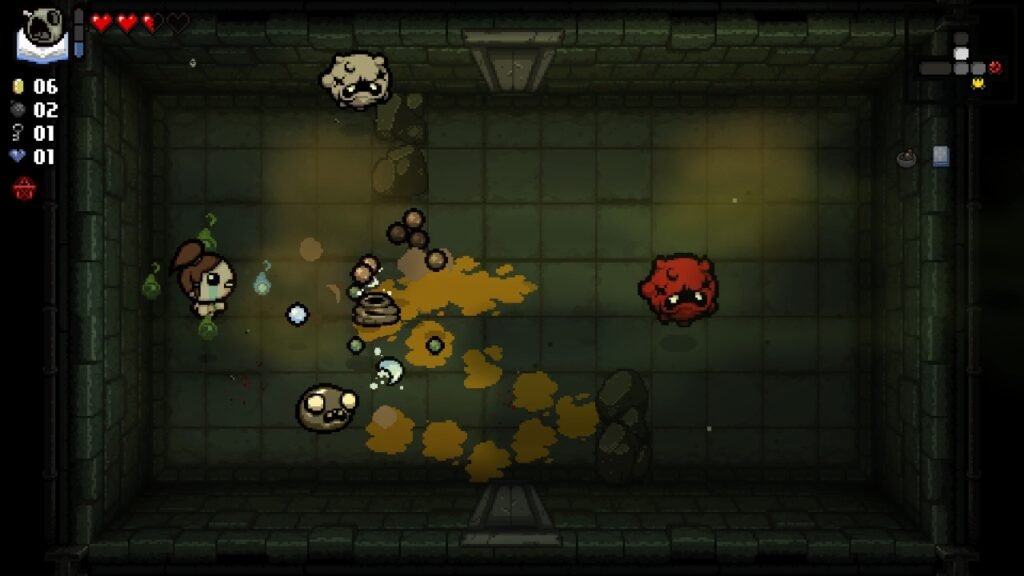
There’s a lesson in here for the rest of the genre. Isaac’s longevity comes from a handful of decisions that plenty of newer roguelikes still don’t commit to. The first is depth over polish.
Isaac has never been the best-looking game in its genre, and it doesn’t need to be. What it has instead is enough items, characters, and synergies that players are still finding new interactions a decade in. A lot of roguelikes chase a strong first impression and then run out of new things to show you within twenty or thirty hours. Isaac took the opposite approach, and it’s still paying off now.
The second is handing real tools to the community instead of just tolerating mods. Frameworks like Repentogon exist because the developers made room for them, and that decision is arguably doing as much for Isaac’s lifespan today as any official update. A modding scene that can genuinely extend a game rather than just reskin it turns players into unpaid content creators for a title that technically stopped receiving DLC years ago.
The third is designing for self-imposed goals. Seeded runs, daily challenges, and community-invented restrictions all work because Isaac’s systems are consistent and transparent enough for players to build their own rules on top of them. That’s a much harder thing to bolt on after launch than to build in from the start.
None of this is a quick fix. It’s the result of over a decade of consistent support and a design philosophy that trusted players to keep finding their own reasons to come back. But it’s proof that a roguelike doesn’t have to keep releasing sequels to stay relevant, it just has to give players enough room to keep making the game their own.
Why Isaac Might Be the Perfect Roguelike
Every roguelike is built on the same basic promise. No two runs are the same, and there’s always a reason to try again. Isaac just happens to deliver on that promise better, and for longer, than almost anything else in the genre. It doesn’t rely on setting or story to stay interesting, because the moment-to-moment chaos of randomized items and layouts is the whole appeal, and that doesn’t have an expiration date.
Fifteen years on, it’s still doing exactly what it set out to do, at a scale most games in the genre haven’t come close to matching. If that’s not the blueprint for a “perfect” roguelike, it’s hard to say what is.