

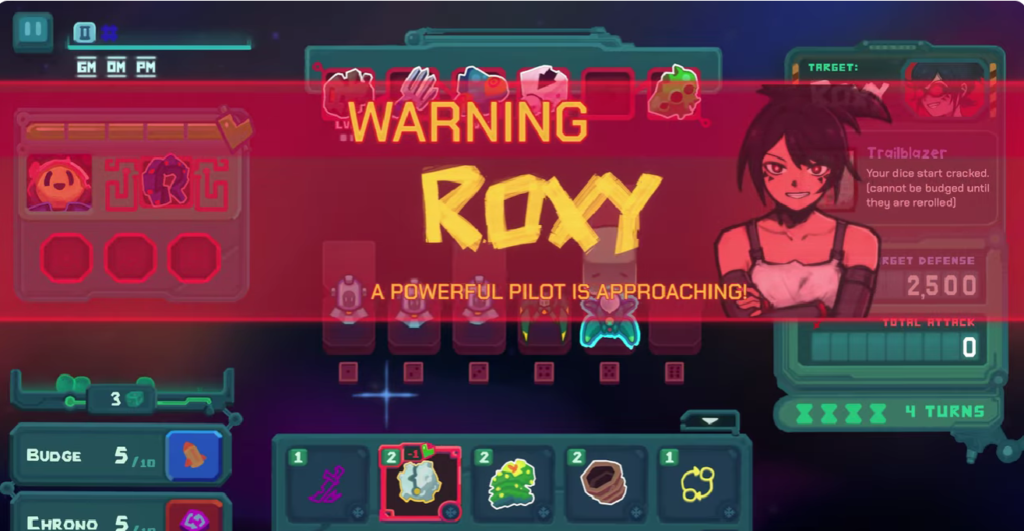
The easiest way to spot an inexperienced roguelike player is how often they blame the run.
It wasn’t their fault. It was bad item drops, bad RNG, or just downright bad luck. The run was doomed and there was nothing they could have done about it.
It’s an easy conclusion to reach. Roguelikes and roguelites are built around randomness. Enemies, rewards, upgrades, maps, events, and entire builds can change from one run to the next. On the surface, it can feel like the genre is controlled entirely by the luck of the dice (or cards, or coins, or… you get the picture).
The funny thing is that the players who win most often rarely see it that way. They aren’t constantly talking about luck, instead they’re talking about decisions, positioning, resource management, risk, and adaptation.
The longer you spend with roguelikes, the more you realize the best players don’t beat the odds, they read them.
The Best Players Learn To Read The Run
One of the biggest misconceptions about roguelikes is that mastery comes from finding ways to overcome bad luck. Most of the time, it comes from recognizing what’s in front of you and adapting accordingly.
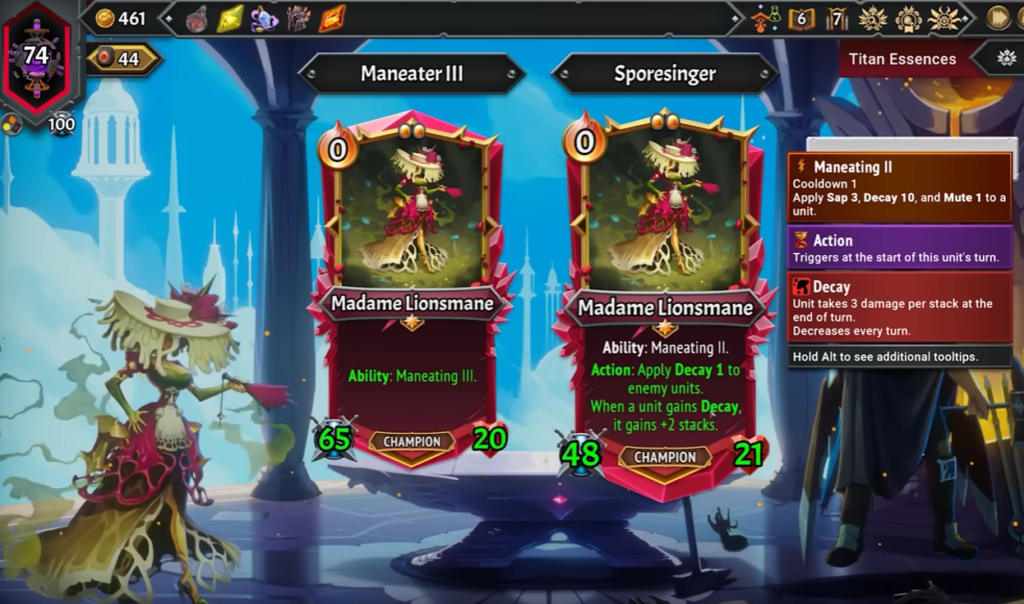
The best players aren’t trying to force the same build every run. They aren’t restarting because they missed a particular item in a game like Monster Train, and they aren’t waiting for the perfect combination to appear. They’re paying attention.
A new player looks at an awkward reward screen and sees a bad run, whereas an experienced player just sees a different run.
That’s an important distinction because roguelikes rarely ask players to solve the same problem twice. Every run presents a slightly different puzzle.
Great Players Adapt Faster Than Everyone Else
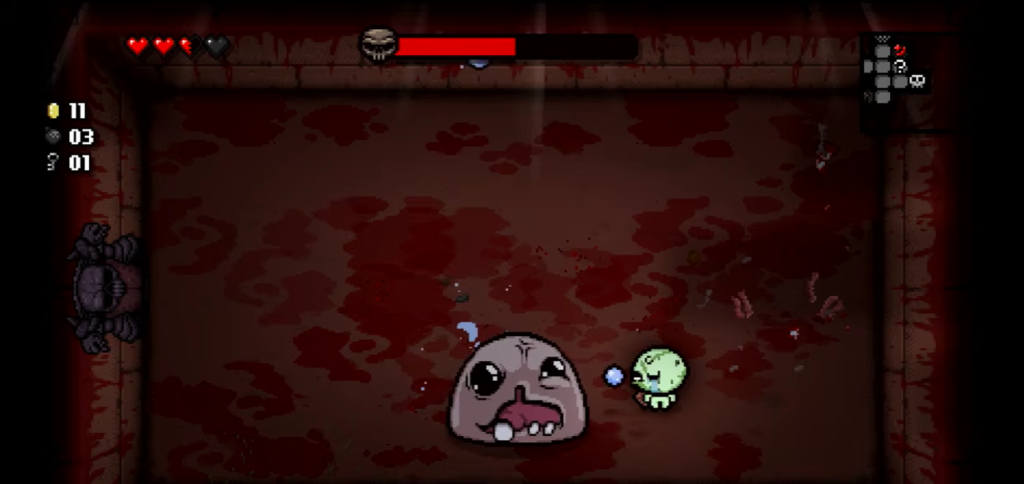
If the best players aren’t beating the odds, what are they doing differently?
They’re adapting faster. Watch a new player and an experienced player react to the same run and the difference becomes obvious surprisingly quickly. The new player sees problems. The shop didn’t have the item they wanted, te rewards weren’t useful, the boss happened to counter their build, or the run feels like it’s working against them.
The experienced player sees information. They notice a different path through the run, they spot synergies they weren’t originally planning to use. They also start making decisions based on what the game is actually offering rather than what they hoped it would offer.
That’s a subtle difference, but it’s often the reason some players seem capable of winning with almost anything while others spend their time waiting for the perfect setup.
One player is trying to force the game into a plan they made ten minutes ago. The other is building a plan around the options currently in front of them. That’s why experienced players often appear luckier than everyone else. They’re not, obviously, they’ve simply learned how to adapt before the run adapts for them.
The Dice Were Never The Real Challenge
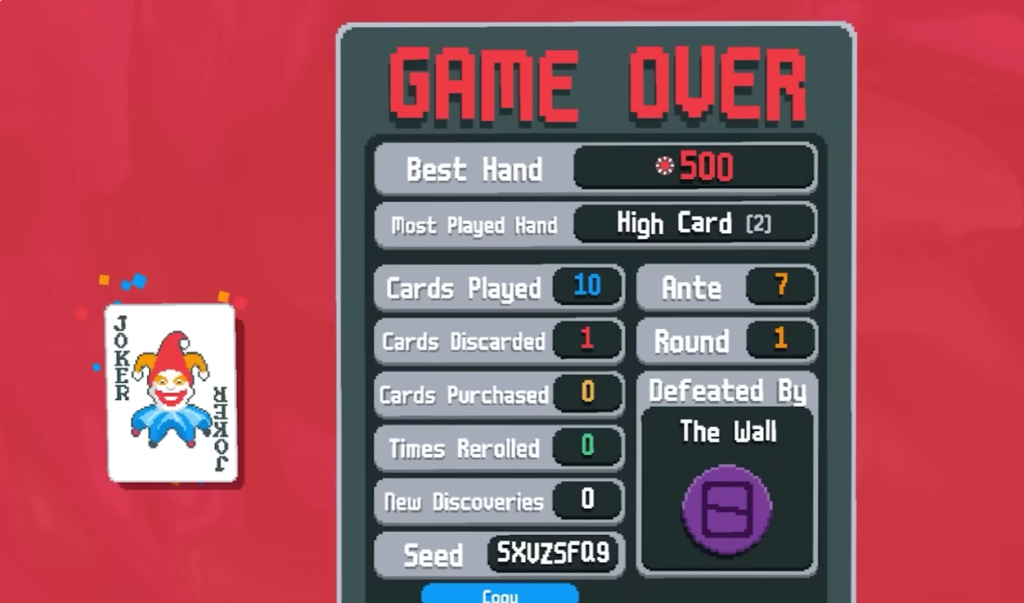
None of this means luck doesn’t matter. Of course it does to some extent. Some runs are easier than others and some rewards are stronger. Every roguelike player has experienced a run where everything seemed to fall perfectly into place.
The difference is that the best players don’t spend their time waiting for those runs.They understand that randomness creates the puzzle rather than solving it.
That’s why the players who consistently succeed aren’t usually the ones chasing perfect builds or blaming bad luck. They’re the ones paying attention, adjusting their plans, and making the best possible decisions with whatever the game puts in front of them.
The dice or cards still matter, just not nearly as much as most people think.