

Few games have had quite the same impact on roguelike deckbuilding as Slay the Spire. Released in 2019, Mega Crit’s critically acclaimed card battler helped popularize an entire subgenre, inspiring countless developers to put their own spin on its addictive formula. One of its most formidable challengers arrived just a year later, when Shiny Shoe unleashed Monster Train.
Both games have earned devoted followings thanks to their strategic battles, creative card combinations, and seemingly endless replayability. However, despite sharing plenty of similarities, they approach deckbuilding in surprisingly different ways.
So, which deserves a place at the top of the deckbuilding mountain? For our first Rogue Rivalry, we’re putting Slay the Spire and Monster Train head-to-head across five categories to find out which game comes out on top.
Round 1: Gameplay and Combat
At their core, both games revolve around building a powerful deck and using it to overcome increasingly difficult encounters. However, the similarities begin to disappear once the cards start flying.
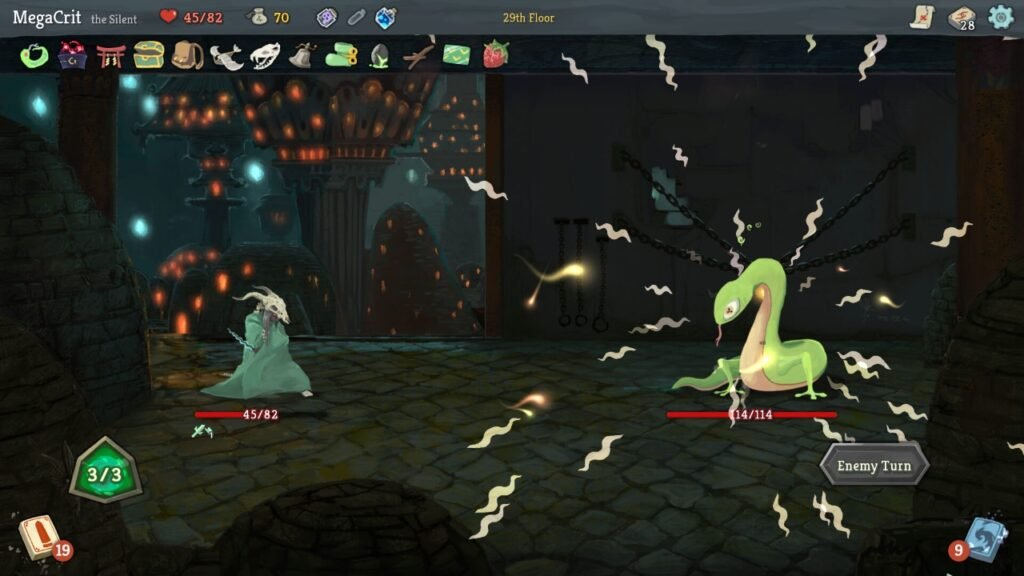
Slay the Spire keeps combat relatively straightforward. You face enemies in turn-based battles, using cards to attack, defend, apply status effects, and manipulate your resources. Each turn becomes a puzzle as you weigh up incoming damage against the cards available in your hand.
Its greatest strength is how much strategic depth emerges from such a simple system. Sometimes the smartest move is to unleash everything you’ve got. Other times, sacrificing a little health now could save your entire run later.
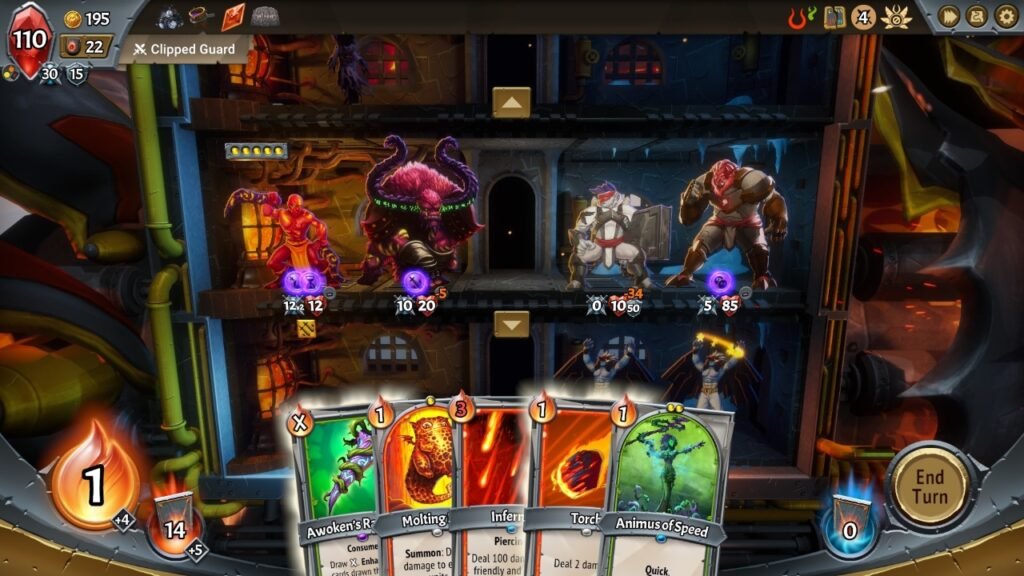
Monster Train, meanwhile, introduces an entirely different challenge. Rather than controlling a single character, you’re defending a train carrying the last burning Pyre against waves of heavenly invaders.
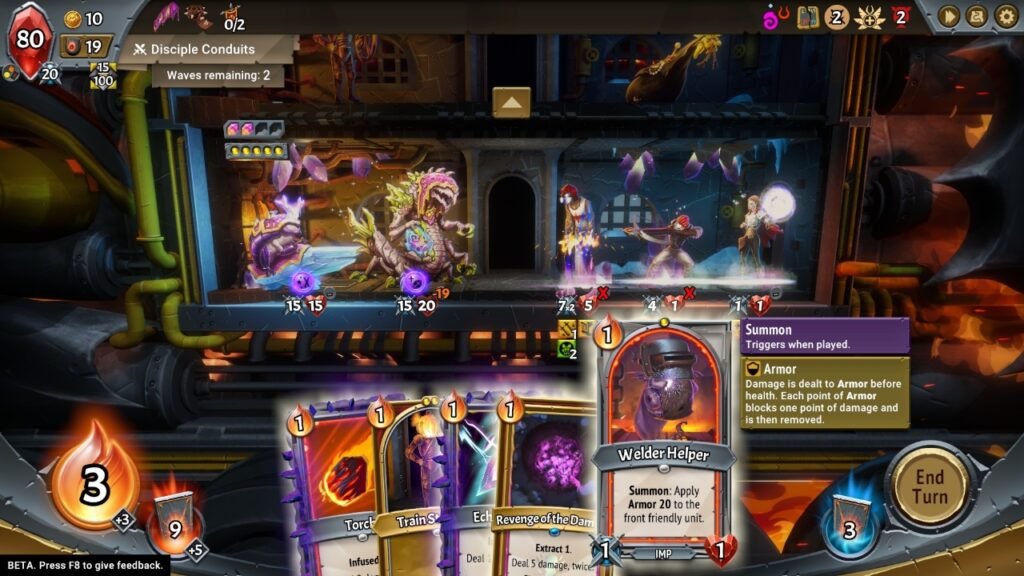
Battles take place across three floors, with enemies gradually climbing toward your Pyre. You summon creatures to defend each level, cast spells to support them, and carefully position your strongest units to intercept incoming threats.
This adds a tactical dimension that Slay the Spire doesn’t have. You need to consider where enemies will move, which floor needs reinforcements, and whether sacrificing one group of monsters might give another enough time to finish the job.
Both systems are excellent, but Monster Train takes the round for its added battlefield strategy.
Round 1 Winner: Monster Train
Round 2: Deckbuilding and Build Variety
A great roguelike deckbuilder needs to make players feel like they’ve discovered something clever, preferably something so ridiculously powerful that it almost feels like cheating. Fortunately, both games deliver.
Slay the Spire features four playable characters, each with their own cards and mechanics. The Ironclad can build around strength, exhausting cards, or even damaging himself, while the Silent specializes in poison, shivs, and clever card manipulation. The Defect introduces powerful elemental orbs, while the Watcher can switch between stances to unleash devastating attacks.
Relics add another dimension to gameplay, creating combinations that can completely transform an otherwise ordinary deck.
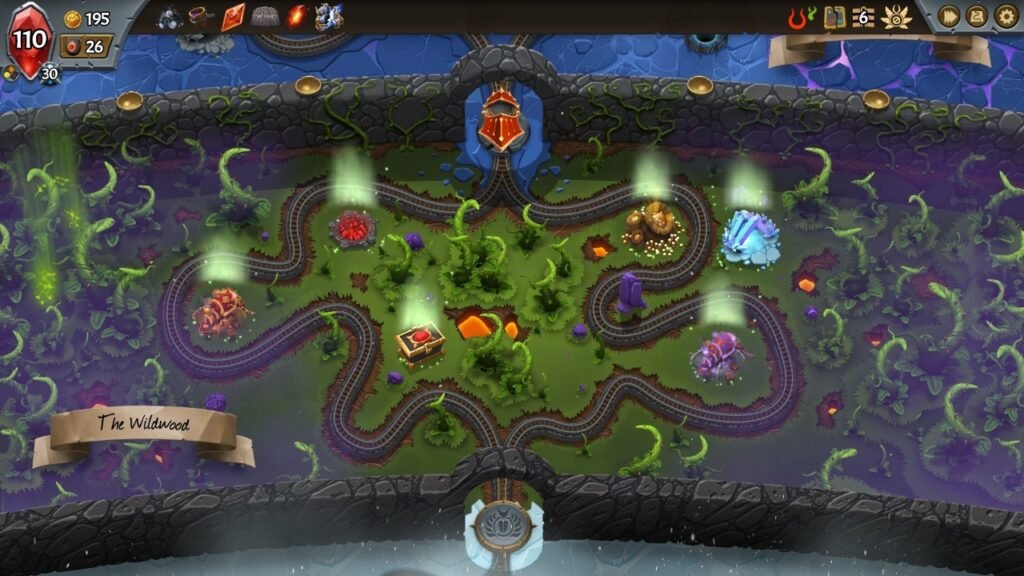
Monster Train approaches deckbuilding through its clan system. You select a primary clan and an allied clan, combining their cards to create unusual strategies. The Hellhorned specialize in aggressive combat, while the Awoken excel at healing and defensive tactics. Other clans introduce mechanics involving spellcasting, morsels, and sacrifice.
The ability to upgrade individual cards and duplicate particularly powerful creations makes experimenting especially rewarding. With the right combinations, you can turn an ordinary creature into an almost unstoppable monster.
While Slay the Spire offers exceptional depth within each character’s card pool, Monster Train encourages experimentation by letting players combine different factions. That flexibility gives it a narrow advantage.
Round 2 Winner: Monster Train
Round 3: Progression and Difficulty
Neither game is known for handing out easy victories, although they have different ideas about how to make players suffer.
Slay the Spire begins with a relatively approachable difficulty curve. Early runs introduce its core mechanics, but climbing through the Ascension levels gradually introduces increasingly punishing challenges. Enemies become more dangerous, resources grow tighter, and mistakes that once seemed insignificant can bring an otherwise promising run to an abrupt end.
What makes this progression enjoyable is how much improvement comes from the player. Learning which cards to avoid, when to rest, and how to prepare for specific bosses becomes just as important as unlocking additional content.
Monster Train has a similar system through its Covenant levels, which introduce additional challenges as players progress. There are also clan cards, champions, and other options to unlock, giving players more tools to experiment with as they improve.
However, Monster Train can sometimes feel more forgiving once a powerful combination comes together. Certain unit upgrades and clan synergies can produce devastating results, occasionally turning challenging encounters into surprisingly comfortable victories.
Slay the Spire generally maintains tighter control over its difficulty. Even an exceptionally strong deck can fall apart if you become careless or fail to prepare for the challenges ahead. If you enjoy mastering a demanding system, that makes its progression particularly rewarding.
Round 3 Winner: Slay the Spire

Round 4: Replayability
Replayability is where both games truly earn their roguelike credentials. In Slay the Spire, every climb presents different paths, encounters, card rewards, relics, and events. Even after dozens of hours, you can discover combinations you’ve never considered before.
Its four characters also encourage different approaches, while Ascension levels provide long-term goals for players determined to master every aspect of the game. Daily Climbs and custom runs add even more reasons to return.
Monster Train offers similarly impressive variety, with different clan combinations creating entirely new possibilities. Switching your primary and allied clans can dramatically change how you approach battles, while champion upgrades and card enhancements introduce further experimentation.
The game also features daily challenges, custom challenges, and Hell Rush, a competitive multiplayer mode where players race through comparable encounters. Its The Last Divinity DLC expands the experience further with an additional clan and new challenges.
Both games can easily consume hundreds of hours, but Monster Train has a slight advantage when it comes to the sheer variety of ways players can approach a run.
Round 4 Winner: Monster Train
Round 5: Overall Experience
This is where things get tricky. Monster Train is arguably the more immediately spectacular of the two. Watching an upgraded monster tear through an entire floor of enemies is enormously satisfying, especially when you’ve spent several battles carefully assembling the perfect combination.
Its colorful presentation, distinctive clans, and layered battlefield mechanics give it a personality of its own. However, Slay the Spire has something equally valuable and that’s extraordinary consistency.
Its mechanics work together beautifully, and almost every decision feels meaningful. Choosing between cards, managing health, selecting routes, and preparing for bosses all contribute to an experience that rewards patience, experimentation, and careful planning.
It also makes complex strategy remarkably accessible. New players can understand the fundamentals within minutes, while experienced players can spend hundreds of hours discovering just how much there is left to learn.
Monster Train may offer more elaborate battles and explosive combinations, but Slay the Spire remains the more refined overall experience. Sometimes, the simplest ideas are the hardest to improve upon.
Round 5 Winner: Slay the Spire
The Final Verdict: Which Game Wins?
After five closely contested rounds, Monster Train claims three victories to Slay the Spire’s two.
| Category | Winner |
| Gameplay and Combat | Monster Train |
| Deckbuilding and Build Variety | Monster Train |
| Progression and Difficulty | Slay the Spire |
| Replayability | Monster Train |
| Overall Experience | Slay the Spire |
Final Score: Monster Train 3 – Slay the Spire 2
On paper, that makes Monster Train our first Rogue Rivalry champion, and there’s certainly a strong argument for its victory. Its combination of deckbuilding, unit placement, and clan customization creates an incredibly entertaining experience, particularly for players who enjoy experimenting with elaborate strategies and watching their creations become absurdly powerful.
However, Slay the Spire remains the better choice for anyone who values tightly balanced combat, demanding difficulty, and the satisfaction of gradually mastering a deceptively simple system.
Ultimately, both games deserve their reputations as outstanding roguelike deckbuilders. Monster Train takes this victory thanks to its additional tactical depth and build variety, but Slay the Spire certainly hasn’t been knocked off its pedestal.
Now it’s your turn. Do you agree with our verdict, or should Slay the Spire have taken the crown? Let us know which deckbuilder gets your vote!