

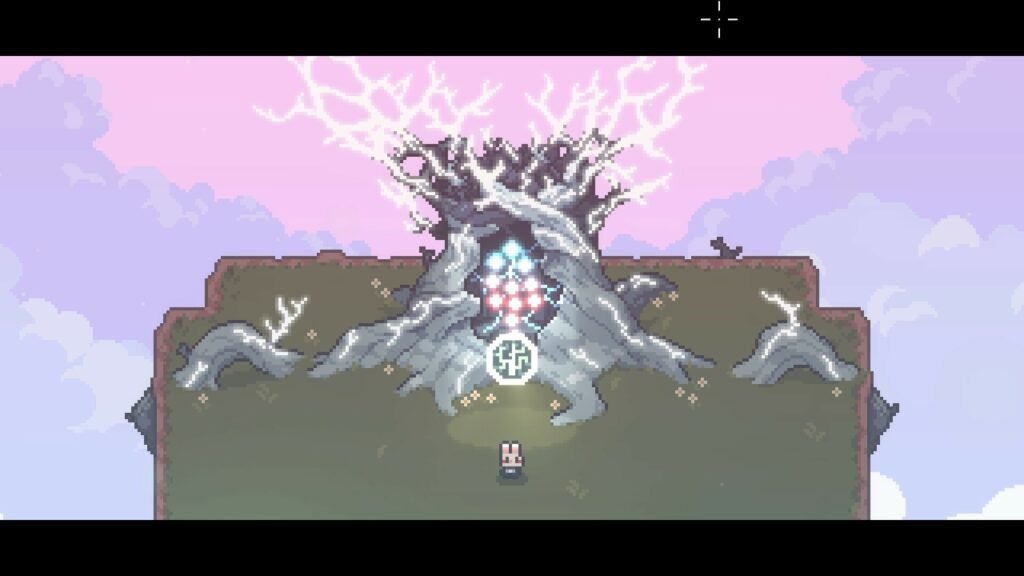
Since coming out of Early Access with its 1.0 update, Sephiria has become one of the most talked-about roguelites on Steam. Behind the cute pixel art and pastel bunny village is a game that doesn’t let up. It features fast, bullet-hell combat combined with an inventory system where placement matters just as much as the items themselves. Line up your Artifacts and Tablets the right way and a weak weapon suddenly carries the whole run. Get it wrong hiwever, and you’ll know about it almost immediately.
With Team Horay now wrapping up the story in its sixth and final chapter, many players are finishing the game for the first time and looking for what to play next. If you’re one of them, we’ve got you covered.
Here are 14 games worth adding to your list if Sephiria’s left you wanting more.
1. Dungreed
Before Bunnyville, Team Horay was already sending players down a randomized dungeon that only got meaner the deeper you went. It’s built around hacking through floor after floor of monsters, picking up new weapons and skills along the way, and unlocking classes and permanent upgrades every time a run ends.
The loop of grabbing something new and putting it straight to use, then pushing for just one more floor, is where Sephiria’s fingerprints really show through. Weapons range from straightforward swords and bows to stranger finds with their own quirks, and stitching together a build on the fly is most of the fun. Dungreed trades Sephiria’s inventory grid for a more direct focus on weapon variety and raw combat feel, making it rougher and less polished but also the clearest look at where those ideas first took shape.
2. bit Dungeon
Your wife has been kidnapped, and the only way to get her back is to cut through a randomized dungeon full of enemies that won’t give you a second chance. That’s the premise behind bit Dungeon, a lean, top-down action roguelike that doesn’t waste time on anything beyond the fight in front of you.
Runs stay tense from the first room to the last, since a careless hit can undo minutes of progress just as easily as it can in Sephiria, and the procedural layouts keep every dungeon crawl unpredictable. There’s no inventory puzzle here though, no Tablet placement to plan around, just a sword, sharp reflexes, and a dungeon that’s actively trying to kill you. It’s a smaller, scrappier game than Sephiria in almost every way, but for anyone who wants that same punishing combat without the extra layers on top, it’s a solid pick.
3. Enter the Gungeon
Enter the Gungeon follows a crew of misfits descending into the Gungeon, a fortress guarding a gun rumored to kill the past, in hopes of undoing whatever mistake brought them there. It’s a bullet-hell dungeon crawler built around dodge-rolling through storms of enemy fire while hunting down an arsenal of over 300 wildly different guns.
Every floor throws a fresh mix of enemies and traps at you, and dying just means starting over with a new seed and a new set of weapons to test. Boss fights are the real highlight, each one a full pattern-reading gauntlet that demands you learn its tells before you can hope to survive. With local co-op, a huge cast of unlockable characters, and secrets tucked into nearly every corner of the Gungeon, it’s a game built for players who want their bullet-hell combat paired with genuine build variety.
4. The Swords of Ditto: Mormo’s Curse
The Swords of Ditto: Mormo’s Curse casts you as the latest hero reborn once a generation to face down Mormo, a curse that’s plagued the island of Ditto for centuries, with a loyal cat companion along for the fight. Each new hero comes with different starting stats, weapons, and abilities, and the island’s overworld reshuffles with every rebirth.
Combat mixes sword swings with a rotating cast of secondary weapons and magic, and figuring out which combination suits your current hero is half the fun. The game leans hard into its colorful, Zelda-inspired presentation, backed by a soundtrack that shifts depending on how you’re playing. Dungeons, side quests, and boss fights all change slightly between generations, giving it real replay value for anyone who enjoys a lighter, more whimsical take on the action-adventure roguelike.
5. Heroes of Hammerwatch II
The Dark Citadel is waiting, and Heroes of Hammerwatch II gives you seven different classes to throw at it, from Paladins and Rangers to unlockable Rogues and Warlocks, each with three specializations to pull from. It’s a roguelite action-RPG built around randomly generated floors, permanent equipment, and a town you can grow between runs to make the next attempt a little easier.
The build crafting instinct that makes Sephiria so compelling carries over well here, since enchanting gear and hunting down the right trinkets changes how your character plays almost as much as swapping a class does. Where it splits off is in structure, leaning on persistent town upgrades and New Game+ progression rather than a single tightly contained run, so death stings less and long-term growth matters more. With four-player co-op and eight distinct floor types to explore, it’s a great pick for anyone who wants Sephiria’s build variety stretched across a much bigger, more RPG inspired adventure.
6. Debugging Hero
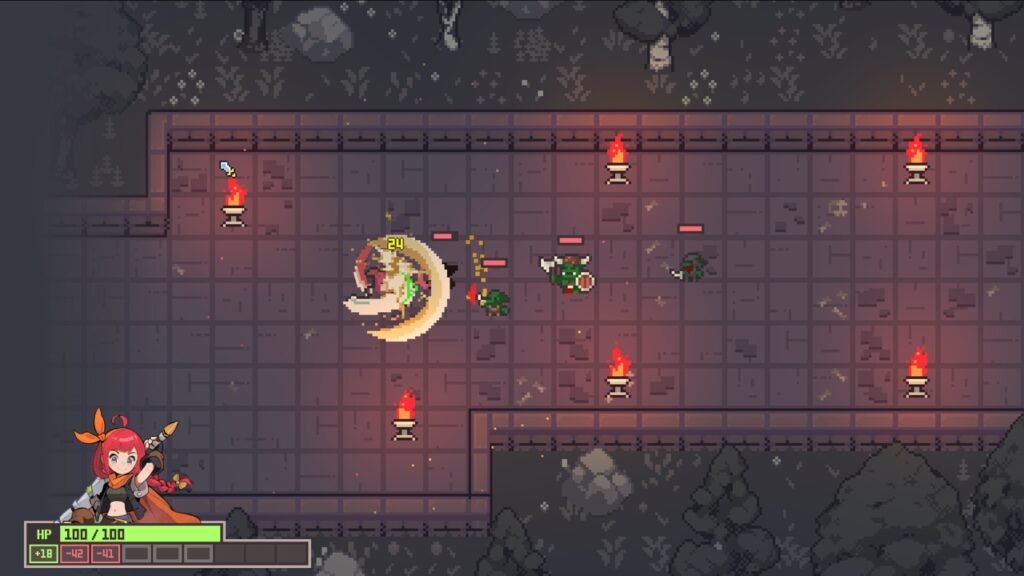
Chosen by the Legendary Sword, the hero of Debugging Hero doesn’t just fight monsters, they hack the fight itself, gaining the ability to directly manipulate character variables like attack power, speed, and even a boss’s HP. It’s a top-down action roguelite where collected items grant increasingly wild variable-editing effects, from zeroing out an enemy’s speed to flipping their hostility and turning them into an ally.
That same joy of stacking item effects into something absurd is exactly what pulls this one in line with Sephiria, even if the presentation couldn’t be more different. Instead of an inventory grid, everything here runs through variable manipulation, and figuring out which combination of cards breaks the game in your favor is the whole appeal. It’s a smaller, more experimental game than Sephiria, but if bending the rules in your favor sounds appealing, this is one of the more inventive roguelites to try it on.
7. Cult of the Lamb
Resurrected by a fallen god and tasked with founding a cult in his name, the lamb at the center of Cult of the Lamb spends its days doing double duty, running a settlement full of loyal (if increasingly unhinged) followers, then heading out to hack through randomly generated dungeons in the name of the Old Faith. It’s an unusual mashup of colony sim and action roguelite that somehow makes both halves feel essential.
The dungeon runs share Sephiria’s design of picking up new weapons, curses, and tarot-style boons that reshape a run on the fly, rewarding the same kind of quick adaptation. What sets it apart is everything happening back at the settlement, where recruiting followers, managing their needs, and expanding your cult’s influence becomes its own long-term game running alongside the combat. It’s a stranger, darker, funnier game than Sephiria, but the loop of diving into a dungeon and coming back with something new to build around feels right at home.
8. Roguelands
Roguelands throws you and up to three friends into a 2D platformer built entirely around procedurally generated worlds, tasking your party with clawing through waves of enemies and increasingly dangerous bosses to reach the final showdown. Everything resets between runs, from the terrain to the loot tables, so no expedition ever plays out quite the same way twice.
Weapons, armor, and abilities all shift what your character can do, and stacking the right combination together is where most of the strategy comes from, echoing that same experimentation Sephiria rewards. Where it pulls away is in presentation and scale, trading Sephiria’s tight inventory puzzle for a looser, more chaotic co-op platformer built for four players at once. It’s rougher around the edges and far less refined, but for anyone who wants that build-crafting itch scratched alongside friends, it’s worth a look.
9. Noita
Every pixel in Noita is simulated, which means fire spreads, water flows, and gases mix in ways that can just as easily save your run as end it. You play as a witch descending through procedurally generated caves, casting spells built entirely from a modular wand-crafting system that lets you combine projectiles, triggers, and modifiers into effects the game barely warns you about.
The pull toward Sephiria comes from that same drive to test combinations before you fully understand them, since a single new spell or perk can completely change how a run plays out. What makes Noita different is its simulation-first design, where the environment itself becomes as much a threat and a tool as anything in your wand, giving experimentation a physical, unpredictable edge Sephiria doesn’t attempt. It’s a much harsher, more chaotic game overall, but if piecing together an unexpected build was the highlight of Sephiria for you, Noita takes that idea about as far as it can go.
10. Streets of Rogue
Streets of Rogue drops you into a corrupt, procedurally generated city and lets you topple it however you’d like, whether that’s punching your way through every guard in sight, hacking security systems, or simply talking your way past trouble as a smooth-tongued con artist. Each mission can be approached from wildly different angles depending on which of its many playable characters you pick.
The connection to Sephiria comes through in how much every item and ability pickup can redirect a run, since swapping tools, weapons, or mutations opens up entirely different approaches to the same objective. It splits off hard on tone and structure though, trading Sephiria’s inventory puzzle and bullet-hell combat for an open, sandbox-style immersive sim where creativity matters more than precision. It’s a much sillier, more unpredictable game, but the constant temptation to try just one more character or approach will feel familiar to anyone who loves restarting a Sephiria run to test a new idea.
11. Undermine 2
Rooted just as deeply in a growing home base as it is in its mines, Undermine 2 sends a fresh peasant recruit down into a collapsing kingdom to figure out what’s causing the chaos below. Each descent hands you new relics, spells, and equipment to test, and permanent upgrades carry over between runs even after your current hero inevitably meets their end.
The pull toward Sephiria sits in how deliberately every pickup matters, since stacking the right relics together can turn a struggling run into a genuinely powerful one by the later floors. It splits away in tone and pacing though, favoring a slower, more methodical dungeon crawl over Sephiria’s frantic bullet-hell combat, with a stronger emphasis on exploration and secrets tucked into every corner. It’s a gentler game overall, but the satisfaction of piecing together a build from what you find along the way carries over well.
12. Our Darker Purpose
Enrolled at Ravenschild Orphanage against her will, young Cordy spends Our Darker Purpose battling through a boarding school gone horribly wrong, wielding an oversized butcher’s knife and an ever-expanding collection of toys, potions, and dark abilities to survive. Each floor is procedurally generated, and every playthrough forces new decisions about which items are worth carrying forward.
Its connection to Sephiria comes through in how often a single item pickup reshapes your entire approach, rewarding the same instinct to test new combinations rather than settle into one strategy. Where it separates itself is in atmosphere, leaning into a twisted, storybook-gone-wrong aesthetic and a narrative that gets darker the deeper Cordy goes. It’s a smaller, stranger game than Sephiria, but the constant temptation of “just one more item” will feel very familiar.
13. Cinderia
Set in a kingdom reduced to ash by a witch’s fire, Cinderia casts you as one of the few survivors capable of absorbing corrupted magic without losing themselves to it. It’s a fast, brutal action roguelite where fusing Embers, Spellcards, and Legendary Gear together is the entire point, with combat built to reward players who keep pushing their build past what should reasonably work.
The build-crafting obsession at the heart of Cinderia lines up closely with what makes Sephiria so addictive, both games thrive on stacking effects until a run spirals into something you didn’t plan for. The difference is in speed and intensity, trading Sephiria’s careful inventory placement for something rawer and more combo-driven, with four distinct heroes offering very different ways to approach that same chaos. Still in Early Access, it’s already shaping up to be one of the sharper build-focused roguelites on Steam right now.
14. The Slimeking’s Tower
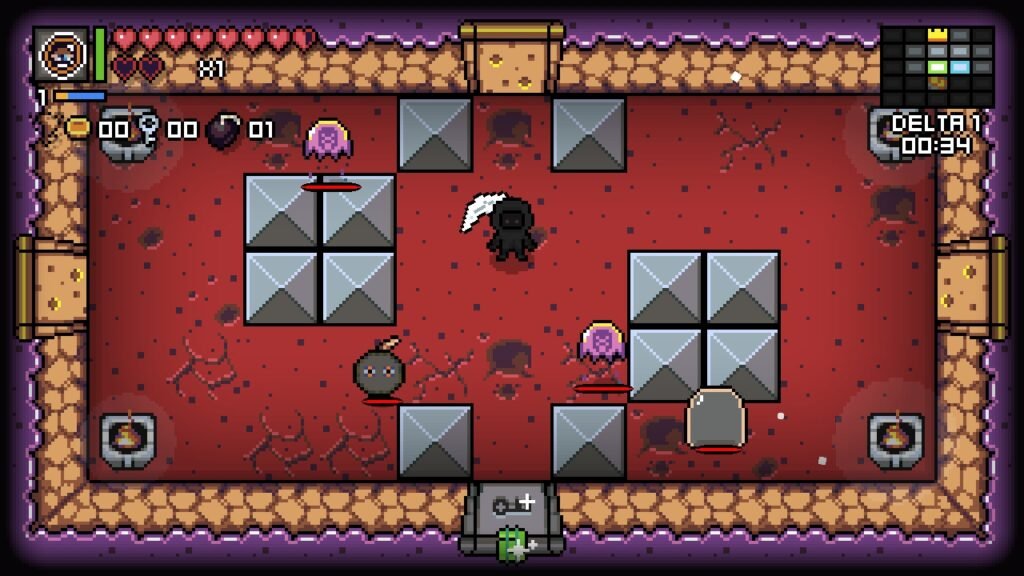
The Slimeking has made off with every moustache in the land, and reclaiming them means fighting your way up his tower one floor at a time. It’s a free-to-play roguelike built around a procedurally generated tower, over 300 collectible items, and more than 100 enemies and bosses standing between you and the top.
Every item pickup here can meaningfully shift how a run plays out, echoing that same push toward experimentation that drives Sephiria forward, and unlocking new characters with their own abilities and gear gives you plenty of reasons to keep climbing. It’s a much simpler, scrappier game though, with a lighter art style and none of Sephiria’s inventory puzzle to plan around. Between five different game modes and 20 deadly challenges to beat, there’s still a decent amount to chase here, and it costs nothing to find out if it’s for you.
That’s a Wrap
Now you have 14 games worth adding to your list if Sephiria’s left you wanting more, and that’s still only scratching the surface of what’s out there. Whether you’re chasing that same inventory puzzle, the bullet-hell chaos, or just the satisfaction of watching a build finally click into place, there’s plenty out there willing to fill the gap in its own way.
Going in with the right expectations helps too. None of these games are trying to be Sephiria, and that’s kind of the point. Some lean harder into the combat, some into strategy, and a few take the formula somewhere Sephiria never touches at all. Pick whichever sounds most interesting right now and start there. There’s a good chance you’ll come out the other side with a new favorite.